设计类课程的跨学科建设探索
2020-06-21蒋旎李君吴永萌
蒋旎 李君 吴永萌
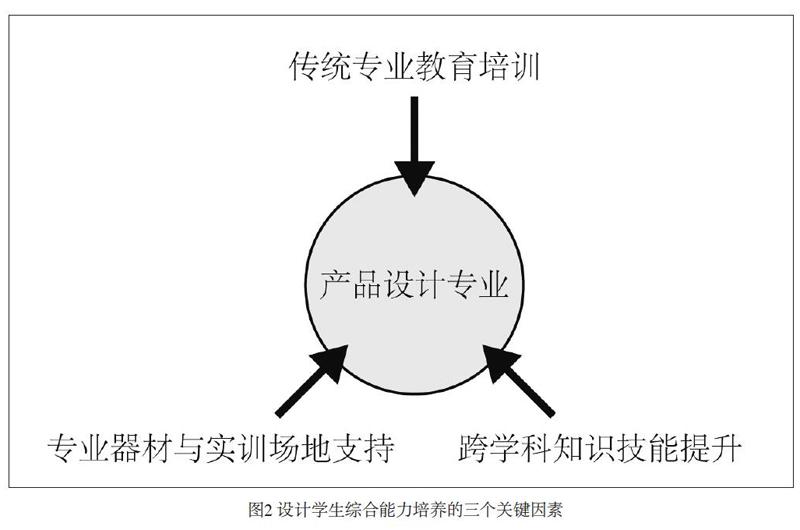
摘要:探索设计类课程的跨学科建设方式与具体内容,旨在提升学生的设计综合能力。立足我国产品设计专业发展现状,就跨学科课程建设中所面对的困境提出解决方案,并以《智能产品设计》课程的跨学科改造为例,展示了其具体实施的方法与步骤。改造后的课程,增加了设计相关的其他领域技能,强化了理论与实践的结合,使得学生的设计综合能力得以加强。该研究为设计类课程跨学科建设提供了有效、可行的原则和方法,具有一定的参考价值。
关键词:设计类跨学科产品设计课程建设具体实施
中图分类号:TB472
文献标识码:A
文章编号:1003-0069(2020)06-0133-03
Abstract: To explore the interdisciplinary conotruction methods and specificcontents of design courses, in order to improve students'deoign comprehensiveability Based on the current situation of the development of product design inChina, this paper puts forward oolutions to the difficulties in the construction ofinterdisciplinary courses, and takes the interdisciplinary transformation of intelligentproduct design as an example to ohow the specific implementation methods andsteps.after the reform of the curriculum, the deoign related skills in other fields wereincreased, the combination of theory and practice was strengthened, and thecomprehenoive design ability of students was strengthened This study provideseffective and feasible principleo and methods for the interdisciplinary conotruction ofdesign courses, and has certain reference value
Keywords: Product design Interdisciplinary Curriculum construction Designeducation Specific implementation
引言
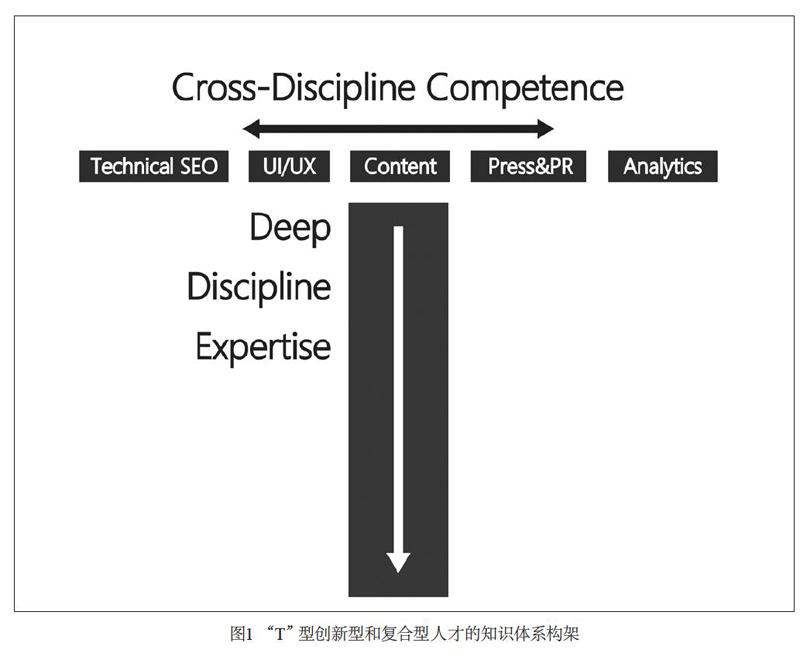
2015年,國务院发布《中国制造2025》中强调,设计是制造业转型的关键驱动力,其中智能化又是转型的主要方向。在智能化转型驱动下,设计必将与制造、信息、材料、机械,甚至生物、管理、医疗等学科的思维模式与领域技术产生更为深度的融合,逐渐蜕变成为一门具有显著跨学科特征的新时代学科。未来的设计教育,会进一步注重对学生设计综合能力的培养,帮助他们构建更完善的学科知识体系,提升他们创造性地使用跨学科的新方法解决问题的能力[1]。
跨学科的融入,是国内工业设计专业成长过程中的一次巨大挑战,更是一次关键而重要的发展机遇。在历史挑战与机遇面前,传统工业设计的专业定位、专业发展走向、课程形式与内容等方面必须寻求变革,结合自身院校的办学优势与教学资源等实际情况,积极构建融合跨学科特征的设计教育模式,主动寻求并适应行业与市场规律和要求,顺应智能化设计制造的大趋势,才能培养合格的新时期的工业设计人才[2]。……