有关早期佛教美术考古的两个问题
2019-08-07黄文昆
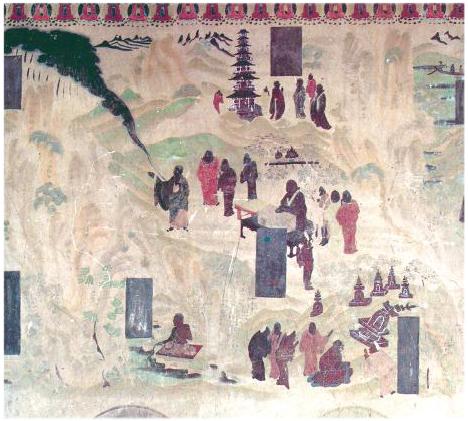
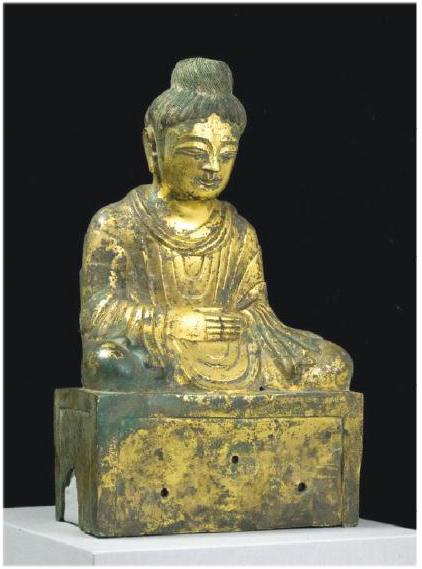
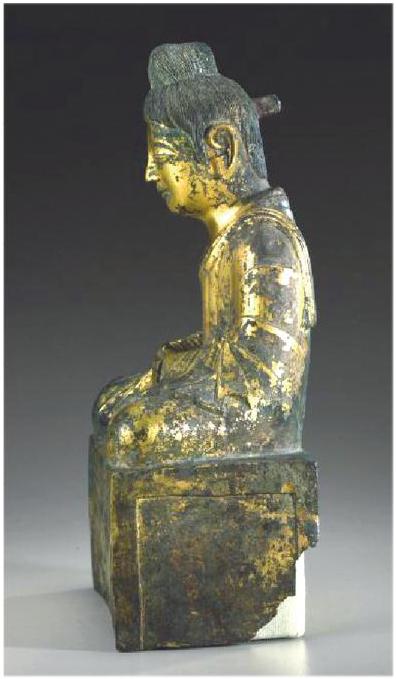
内容摘要:十六国时代的历史,以淝水之战划界分为前后两期,佛教美术也有相应的两个发展阶段。前期的第一阶段,后赵由国师佛图澄主导自上而下传播佛教,铸造金铜佛数量巨大、遍及北中国、延续百年。大战之后,后秦、西秦、北凉崛起,开窟造像蔚成风气,造像、壁画成规模组合,为十六国佛教美术的第二阶段。石窟模式,耳熟能详者有凉州模式和云冈模式。前者是一个虚拟的概念,意在启迪对北凉的研究。而后者,云冈二期、三期造就北魏石窟模式,但云冈一期不应包括在内。大时代之交因灭法而断层,必要的过渡期独具特色不可复制。
关键词:佛图澄;金铜佛;凉州石窟;北魏太武帝灭法;中心塔柱
中图分类号:J18;K85 文献标识码:A 文章编号:1000-4106(2019)03-0046-09
Abstract: The history of the Sixteen Kingdoms period is traditionally divided into two phases by the Battle of Feishui, a division that corresponds to the Buddhist art of this period as well. In the first phase that lasted for one century, Buddhism was spread from the upper to the lower classes by the nationally recognized master of studies Fo Tucheng in the Later Zhao dynasty, a social change which was accompanied artistically by the widespread casting of gilt bronze Buddha statues throughout northern China. After the Battle of Feishui, the Later Qin, the Western Qin, and the Northern Liang rose to power and building caves and making statues became very popular Buddhist practices, which were accompanied by the new artistic form of large-scale wall paintings. The cave structures people today are most familiar with include the Liangzhou modes and the Yungang modes: the former, being an abstract concept, inspired research on Northern Liang Buddhist art, while the latter refers to the Northern Wei caves built in the second and third historical phases at Yungang. The spread of Buddhist teachings and art was interrupted each time dynastic power changed hands, but many transitional periods left behind fascinating and unique archaeological traces, sometimes even changing the mode in which future art was to be created.
Keywords: Fo Tucheng; gilt bronze Buddha statues; Liangzhou caves; suppression of Buddhism in the reign of Emperor Taiwu of the Northern Wei dynasty; central pillar
一 十六国时代佛教造像的两个阶段
佛教传入中国始于东汉,大约是公元1世纪下半叶。中国的佛教美术由初传而来。东汉、三国属于佛教在中国的初传期,佛陀的雕塑形象,作为外来神出现在一些建筑和器物裝饰上,与中国固有的神仙崇拜相混杂,见于器物的陶制台座、崖墓门楣的石刻、青瓷器皿上的堆塑,铜镜、带扣的纹饰等[1,2],最早则是出现在青铜铸造的摇钱树上,现存实例最早的纪年依据为东汉延光四年、公元125年[3-5],大体与犍陀罗贵霜帝国迦腻色伽王在位同时。2001年,在重庆丰都县镇江镇槽房沟9号东汉砖室墓中出土有青铜摇钱树的残件。残存的一段树干上有铸造的佛像,残高5厘米,形象缺损,但与四川安县崖墓出土摇钱树佛像类比可获知其完整的形态[5]2。……