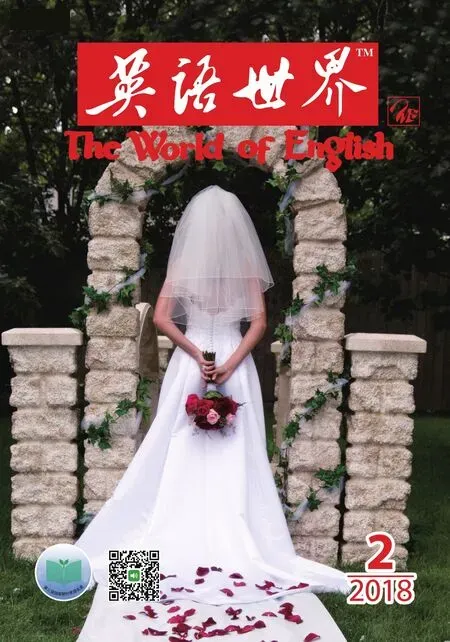
Engagement Traditions and Their Origins
2018-03-29ByEdelBlake
By Edel Blake

It may never have crossed your mind before (or maybe it has), but there’s actually an historical explanation for almost every element of your engagement; from getting the ring to telling the world about your happy news.
Asking for your hand
[2] If you or your other half is a traditionalist at heart, you’ve probably agreed that the groom should ask the bride’s father for his blessing before‘officially’ popping the question to her.This dates back to when women weren’t exactly thought of as equal members of society and marriages weren’t really the romantic events they are now. Instead they were regarded as a contract between two families, and the bride was the key component since she had the responsibility of giving birth to the family’s next generation. The groom would approach his future father-in-law and ask for his permission to marry his daughter. If he refused (and they often did back then), then that was the end of the courtship1courtship求爱;追求。!
从戴上戒指那一刻到向众人宣布喜讯,你可能从未想过(或许也曾想到)自己订婚过程中的每一个元素其实都有史可稽。
牵起你的手
[2]如果你或你的另一半骨子里是传统主义者,那你可能认同新郎只有在获得新娘父亲祝福后才能“正式”向她求婚。这个规矩可以追溯到很久以前,当时的女性并未真正被当作平等的社会成员,而且结婚也不如现在这般浪漫。相反,她们被当作两个家庭间的契约,而新娘是契约中的要件,因为她肩负着为家族繁衍后代的责任。新郎会拜见他未来的岳父,请求他把女儿嫁给自己。如果女方父亲拒绝(旧时他们往往如此),那就意味着这场恋情也得画上句号。
The 3 month’s salary rule
[3] Get ready for a shock… there is no legitimate historical reason for this particular tradition. The market value of a diamond is in no way associated with anyone’s salary! It was all a massively successful marketing campaign dreamt up in 1936 by diamond sellers DeBeers,who wanted people to spend more on diamonds. They deftly managed to create a sense of luxury, rarity and prestige around the humble diamond, and that’s why they’re still so expensive to this day. They’re actually not that rare at all—there’s still many, many decades worth of supplies hidden in the earth. But don’t let that stop you from spending all your savings on something your other half will love forever.
Down on bended knee
[4] People don’t really get down on one knee for much these days, unless they’re tying their shoelaces. So why do we do it when we’re proposing marriage? It’s a tradition that dates back to the days of knighthood, chivalry and formal courtship (i.e. medieval times and beyond). Knights would get down on one knee in front of their lord as a display of respect, obedience, and loyalty. It was also a common occurrence in religious ceremonies, and in those days marriage and religion were intrinsically2intrinsically本质地;固有地。linked.So when a courteous gentleman was proposing to his lady, pledging his allegiance3allegiance效忠。to her and declaring his undying love for her, getting down on one knee was the natural thing to do.
3个月薪水规则
[3]请不要大吃一惊……这个特殊的传统并没有正当合理的历史依据。钻石的市价无论如何都不会随着人们收入的高低而发生变化!为了让顾客能在钻石上多掏钱,戴比尔斯钻石公司于1936年创想出这个营销活动,并大获成功。他们巧妙地将原本平凡普通的钻石打造出奢华、稀罕及尊贵的感觉,这也成为钻石至今一直价格不菲的原因。不过钻石其实根本就不稀少——地球上仍有着可供开采几十年的钻石储量。但也别因此在买钻戒时舍不得倾尽所有,你奉上的戒指将成为你另一半的此生挚爱。
屈膝跪地
[4]除了系鞋带以外,现在的人都不怎么屈膝。那为什么我们在求婚时却要这么做呢?这个传统可以追溯到骑士精神、绅士风度以及正式求爱的盛行时期(即中世纪和再早之前)。