论杜甫《乾元中寓居同谷县作歌七首》之“作歌”
2018-01-13杨晓霭
杨晓霭

关键词:乐府诗;杜甫;同谷七歌;作歌;随声随写;江南吴歌
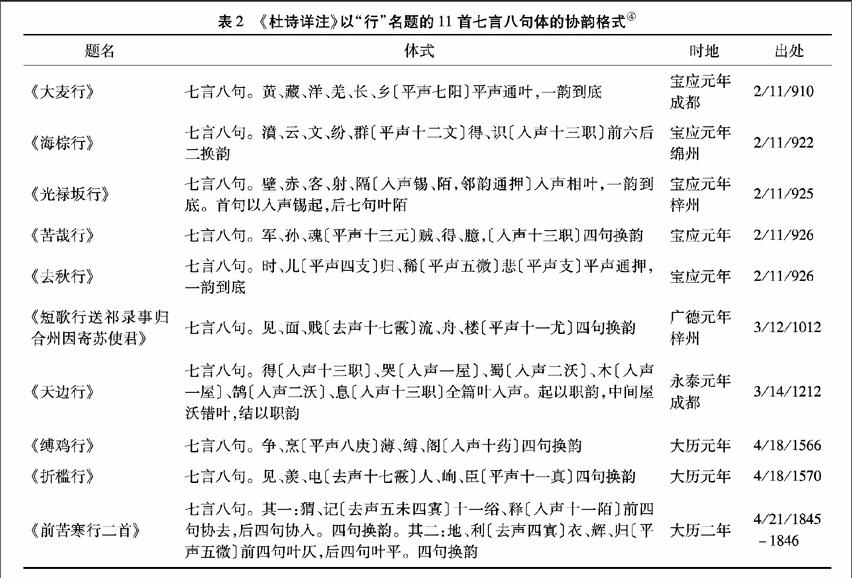
摘要:杜甫诗中题“歌”之作,共30题45首。其中《乾元中寓居同谷县作歌七首》体式上的主要特点有:篇章每首八句,句式以七言为主。协韵为前六句后二句转韵格式。或前六句叶仄,后二句转平;或前六句协平,后二句转仄。或前六句后二句仄声转韵,或前六句后二句平声转韵。在结构上,每首“首二领意,中四叙事,末二感慨悲歌”,以“呜呼×歌兮”唱叹结束。前四首均以隔字反复开篇。该诗体现出“随声随写”边唱边写的创作过程,为“七言八句声诗体”之创格,或承吴地白纻舞曲和清商乐吴声西曲的歌唱传统,可谓是江南吴歌文人化的产物。对这一现象的尝试性分析,有助于理解“乐府声诗并著”的特点。
中图分类号:I206.2
文献标志码:A文章编号:1009-4474(2017)06-0052-09
Research on the Poem Composition of Du Fus Seven Songs Composed in Tonggu
YANG Xiaoai
(College of Literature and International Education, Lanzhou University of Technology, Lanzhou 730050, China)
Key words: Yuefu poems; Du Fu; Seven Songs Composed in Tonggu; poem composition; singing while writing; folk songs of Jiangnan
Abstract: There are as many as 45 poems composed by Du Fu under 30 titles that contain the word song. Seven Songs Composed in Tonggu presents the stylistic characteristics that each poem has eight sentences, and each sentence has seven characters, with the first 6 sentences and last 2 sentences being in different rhyme patterns: either the oblique tone with the first sentences and the level tone with the last two, or vise versa. In the structure of these poems, they follow the rules that are “first 2 sentences indicate the meaning, middle 4 sentences describe the process, last 2 sentences express the feeling” and also end the sentence with the word “Wu Hu” or “Ge Xi”. The creation of Seven Songs Composed in Tonggu shows the “singing while writing” characteristic and started a new poem form. These poems could be described as the product that came from the folk songs of Jiangnan. So, trying to study these poem and the relevant culture will be able to help understand the features of Yuefu poetry.
一、引言
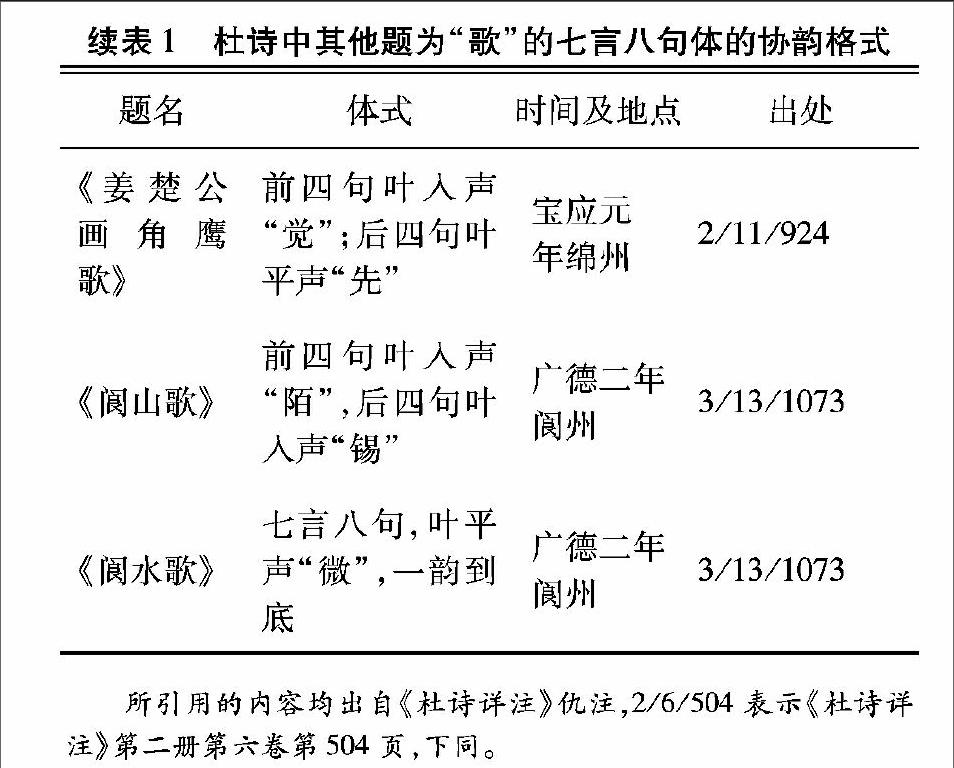
據《杜诗详注》统计,杜甫题“歌”之作共30题45首①。
45首诗中,32首题为“歌”,2首题为“醉歌”,7首题为“作歌”,1首题为“放歌”,1首题为“长歌”,1首题为“短歌”。杜甫“作歌”有什么特点,是一种怎样的创作行为,又是一种怎样的歌唱方式呢?②
二、“作歌”:自作歌词自歌唱
“作歌”有着悠久的传统,《尚书·益稷篇》:“帝庸作歌曰:‘敕天之命,惟时惟几。乃歌曰:‘股肱喜哉!元首起哉!百工熙哉!”〔1〕《史记·伯夷列传》:“武王已平殷乱,天下宗周,而伯夷、叔齐耻之,义不食周粟,隐于首阳山,采薇而食之。及饿且死,作歌。其辞曰:‘登彼西山兮,采其薇矣。以暴易暴兮,不知其非矣。神农、虞、夏忽焉没兮,我安适归矣?于嗟徂兮,命之衰矣!遂饿死于首阳山。……