叶天士与薛生白治疗湿热痞证用药特色分析
2017-07-13李玉娟刘小玉姜厚望李红培肖连宇
李玉娟+刘小玉+姜厚望+李红培+肖连宇+赵岩松
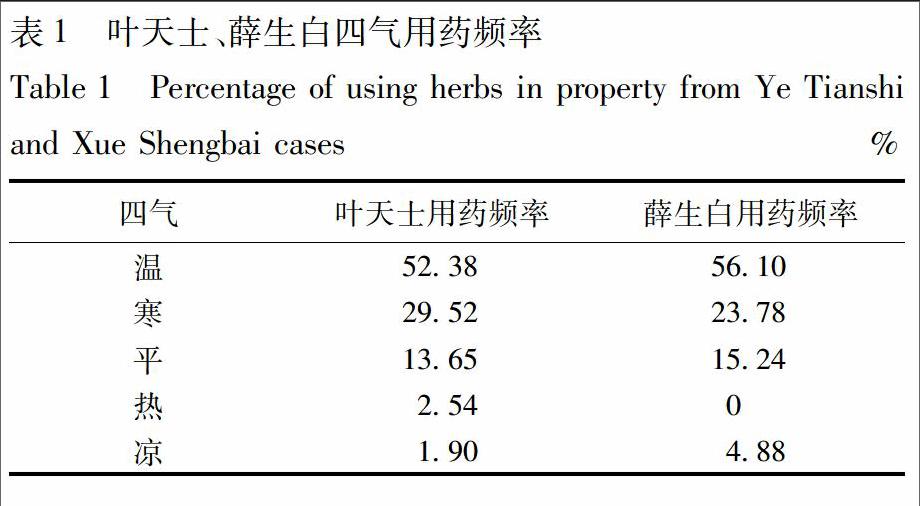
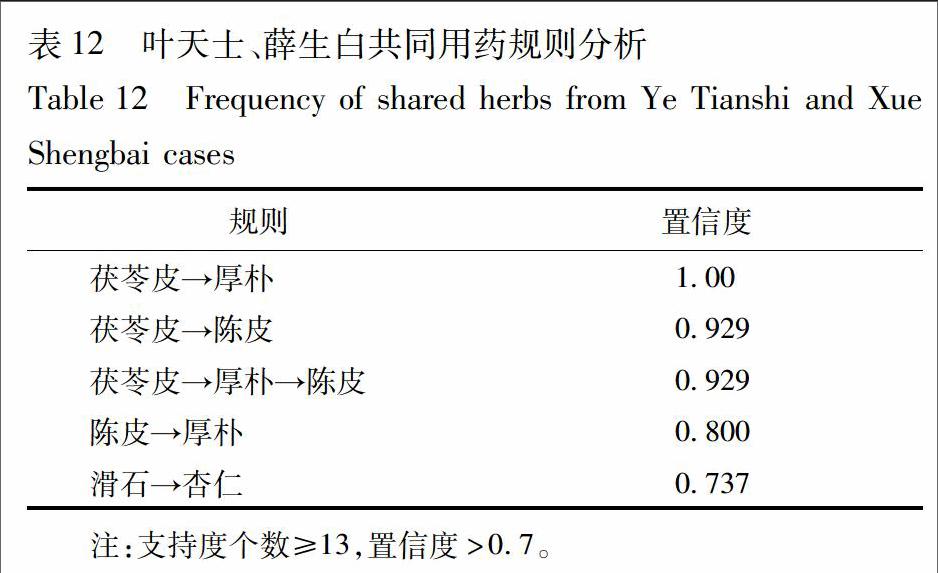
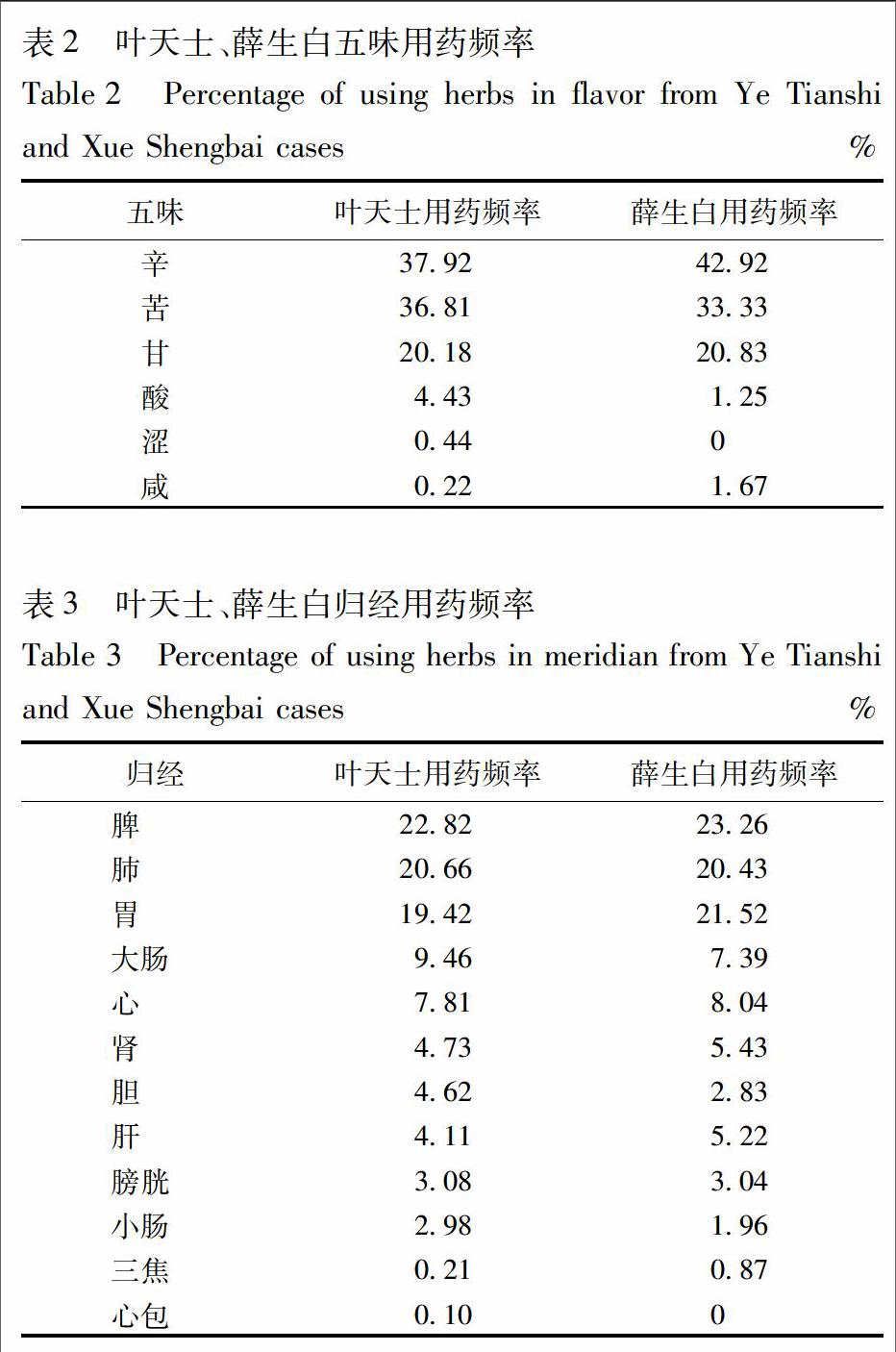
[摘要] 叶天士与薛生白,清代同一时期的著名医学家,擅长温病治疗。笔者运用中医传承辅助平台系统,对两位医家治疗湿热痞证的医案进行研究,对比分析其用药特色。叶氏与薛氏治疗湿热痞证均以湿热分治、三焦分消为原则,用药以苦、辛、温为主,理气化湿,重视脾、胃、肺三脏的气机调节,但在具体药物选择上有所不同,两者共用药物中,厚朴、杏仁、陈皮、滑石使用频率均较高。叶天士还好用半夏、黄芩、黄连、茯苓;薛生白较多用茯苓皮、草果、藿香。药物配伍方面,两位医家均喜用陈皮、厚朴,厚朴、杏仁配伍;叶氏还多用半夏、杏仁,半夏、黄芩,滑石、杏仁等;薛氏则用厚朴、陈皮、茯苓皮三者相互配伍为多。两位医家治疗中的相同、不同之处对临床治疗湿热类痞证有指导意义。
[关键词] 湿热痞证; 叶天士; 薛生白
[Abstract] Ye Tianshi and Xue Shengbai were both epidemic febrile diseases specialists in same time of Qing dynasty. The Traditional Chinese Medicine Inheritance Support System was used to compare and analyze the therapeutic characteristics of these two specialists in treating damp-heat type fullness or distension in stomach. Distension is commonly caused by qi stagnation accompanied with damp-heat from internal and external factors. In treatment, separation of damp and heat and removing dampness and heat from sanjiao separately were their common therapeutic principles. Both Ye Tianshi and Xue Shengbai paid much greater attention to eliminating dampness, and the herbs with bitter and pungent flavor, warm in property were usually chosen to regulate qi flow and reduce dampness. Invigorating spleen, nourishing stomach and dispersing lung were the frequently used treatment to balance the organs′harmony. The difference between specialist Ye and specialist Xue was the preference of herbs. Hou Pu (Magnoliae Officinalis Cortex), Xing Ren (Armeniacae Semen Amarum), Chen Pi (Citri Reticulatae Pericarpium), and Hua Shi (Talcum) were often used in both administrations. Besides, Ye Tianshi preferred to use Ban Xia (Pinelliae Rhizoma), Huang Qin (Scutellariae Radix), Huang Lian (Coptidis Rhizoma), Fuling, et al. Xue Shengbai on the other hand enjoyed using Fu Lingpi(Poriae Cutis), Cao Guo (Tsaoko Fructus), and Guang Huoxiang (Pogostemonis Herba), et al. In herbs compatibility, both of the two specialists were fond of using Chen Pi-Hou Pu, Hou Pu-Xing Ren. Moreover, Ye Tianshi often used Ban Xia- Xing Ren, Ban Xia-Huang Qin, and Hua Shi-Xing Ren to achieve the expected outcome of the treatment. While, Chen Pi, Fu Lingpi, and Hou Pu were the common combination with each other in Xue′s cases. The similarities and differences of their administration should have the guidance in current clinical Chinese medicine practice for damp-heat type fullness or distension in stomach.
[Key words] distention with damp-heat; Ye Tianshi; Xue Shengbai
“痞”即胃脘部堵塞感,按之心下柔软无物,如张仲景在《伤寒论》中指出:“按之自濡,但气痞耳”、“满而不痛者,此为痞”[1]。是内伤杂病中的常见症状,也是湿热性外感病的必见症之一。临床“痞”多见于慢性胃炎[2-4]、胃的功能性疾患、消化不良等疾病[5]。此外,胃下垂、胃黏膜脫垂证、急慢性肝炎、肝硬化、慢性胆囊炎、慢性胰腺炎[5]、腹部手术术后[6]、胃癌[7]等疾病中也可见痞证。病机为气机升降失常,中焦痞塞不通,形成痞证。湿热痞证,由湿热病邪导致胃脘胸胁部痞闷不舒。叶天士与薛生白对湿热病各有研究,笔者借助中医传承辅助平台系统比较研究二者对湿热痞证的病因病机、治法、用方用药的思路异同。……