认知无线网络中基于DE 的功率控制与频谱分配算法
2016-03-07黄建飞
黄建飞
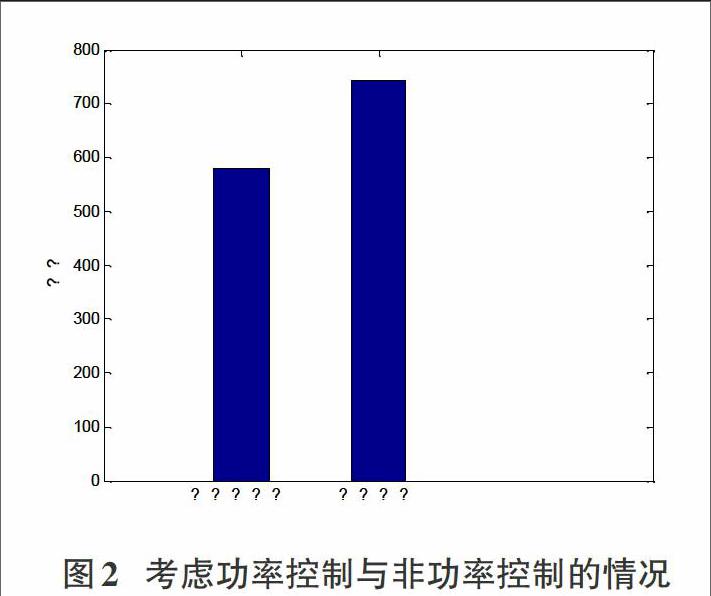
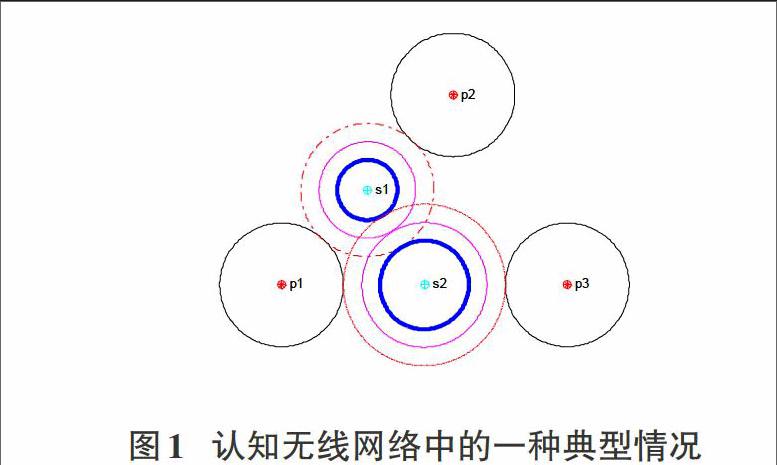
摘要:动态频谱分配算法是解决无线网络中频谱资源短缺问题的有效方法。该文提出一种基于DE的功率控制与频谱分配算法,若多个认知用户使用同一个频谱存在干扰,通过调整功率的大小来改变每个认知用户节点的干扰范围,并将频谱分配给当前已获得频谱数较少的认知用户,以提高网络中频谱分配获得的总效益。仿真结果表明:通过功率控制来改变认知用户的干扰范围,与传统未考虑控制的无线网络相比,考虑功率控制的方式,很大的提高了认知无线网络中频谱分配获得的总体效益。
关键词:频谱分配;认知无线网络;DE算法;功率控制
中图分类号:TP311 文献标识码:A 文章编号:1009-3044(2015)35-0122-02
Abstract:Shortage of spectrum resources for wireless networks growing, and dynamic spectrum allocation algorithm is an effective way to solve this problem. This paper presents a power control and spectrum allocation algorithm based on DE. If multiple secondary users use the same spectrum interference with each others, then adjusting the control power to change the scope of secondary users. The spectrums have been assigned to the secondary users which have fewer of spectrums, so as to increase the total income spectrum allocation. Simulation results show that, considering the power control to change the interference range of cognitive users can improve the overall effectiveness of the cognitive wireless network spectrum allocation.
Key words: spectrum allocation; cognitive wireless network; DE algorithm; power control;
随着用户以及用户需求的不断增加,频谱资源变得相当紧缺。文献[1]对频谱分配中的频谱利用率进行研究,在传统固定的频谱分配方式下频谱利用率很低。而认知无线电频谱共享技术的提出,为解决这一问题提出了新的解决思路。授权用户使用独立的授权频段,非授权用户只有在不对授权用户产生干扰的前提下伺机使用这些频段[2]。
文献[3]总结出频谱分配模型,最大化网络收益为目标的优化问题,提出基于免疫克隆选择优化的认知无线网络频谱分配算法。文献[4]为提高频谱分配的公平性,提出基于约束算子的二进制粒子群频谱分配算法,在多个非授权用户使用相同的频谱而产生干扰时,将该频谱分配给获得频谱较少的的非授权用户。……