浅析城市建成区土壤监测
2021-09-18张晶
【摘要】 国内外关于城市建成区土壤监测的研究相对较少,现有研究相对分散,没有系统的技术规范,相应的技术体系基本空白,难以满足我国城市建成区土壤环境监测的需要。本文从监测区域划分、监测布点、样品采集三个方面系统地阐述了城市建成区如何进行土壤监测,希望对实际工作有一定的参考借鉴。
【关键词】 城市建成区;土壤监测
【DOI编码】 10.3969/j.issn.1674-4977.2021.05.041
Analysis on Soil Monitoring in Urban Built-up Areas
ZHANG Jing
(Shenyang Environmental Monitoring Centre,Shenyang 110015,China)
Abstract: There are relatively few studies on soil monitoring in urban built-up areas at home and abroad. The existing research is relatively scattered,there is no systematic technical specification,and the corresponding technical system is basically blank. It is difficult to meet the needs of soil environmental monitoring in urban built-up areas in my country. This article systematically expounds how to conduct soil monitoring in urban built-up areas from three aspects:monitoring area division,monitoring location,and sample collection,hoping to have some reference for actual work.
Key words: urban built-up area;soil monitoring
近年来,随着中国经济的快速发展,城市转型升级的步伐也在加快。在许多城市,工业企业已被关闭并搬迁,其剩余土地将变成住宅、学校、公共服务和其他建筑用地以供开发和利用。工业企业用地具有污染情况复杂、污染程度不同、污染追溯困难等特点。如果不进行有效的环境调查发现土壤污染状况,并采取相应的预防和控制措施,将会给人们的健康和生活带来不可预测的环境风险。
1 监测区域划分与对象选取
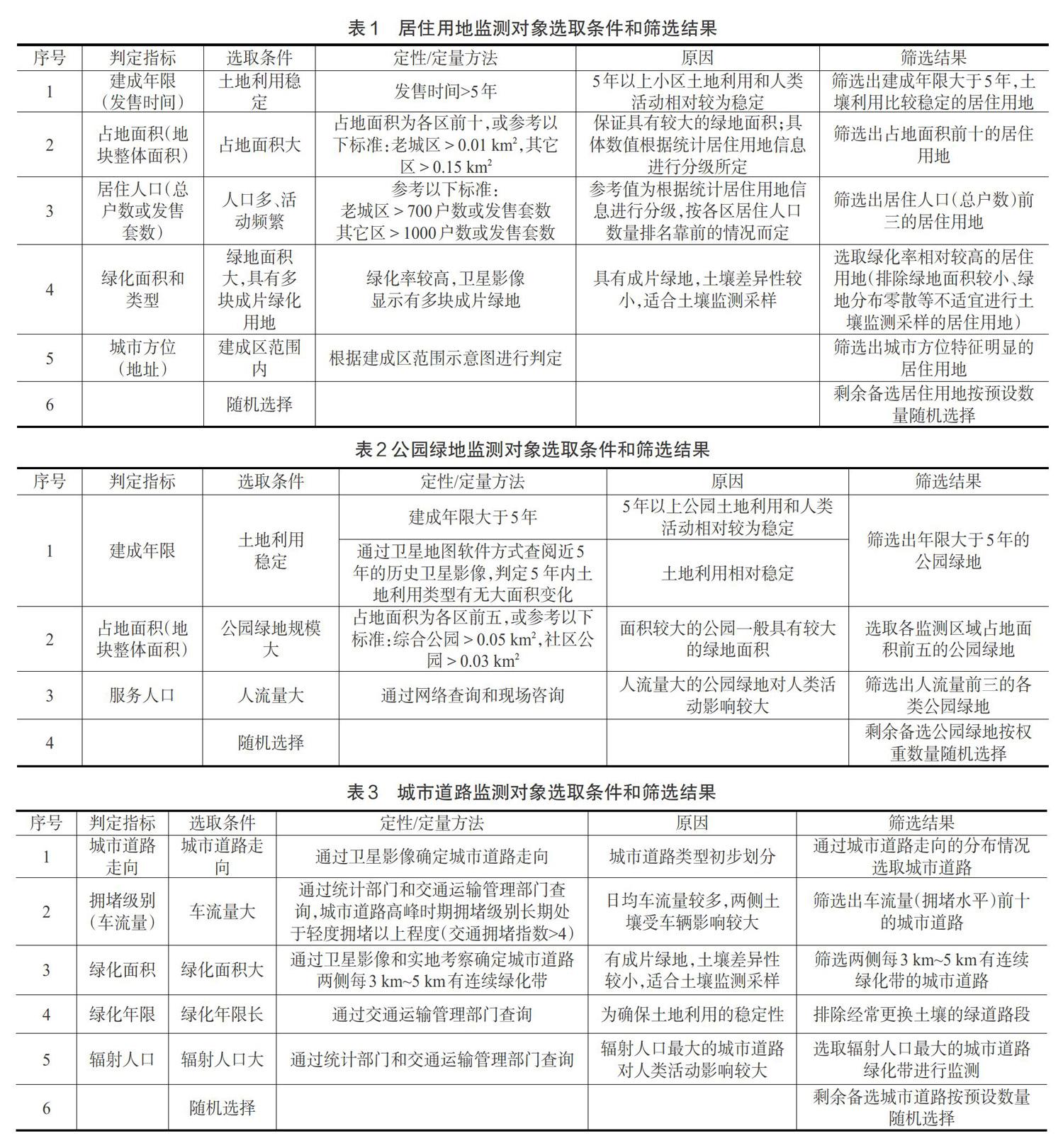
城市建成区主要是指城市行政区内已成片开发建设地区、市政公用设施和公共设施基本具备的地区。根据城市建成区土壤监测的目的和要求,在开展监测工作前要先收集城市建成区土壤环境相关文献、城市发展和工业布局规划等资料,然后进行实地调查分析。信息收集后再结合城市的发展历史、工业布局和自然条件等状况划分监测区域。划分为监测区域后从居住用地、公园绿地、城市道路用地三个方面进行监测对象筛选,同时根据各监测区域的土壤面积(总面积)或人口数(常住人口数),设置不同监测区域的监测对象数量,原则上每个监测区域中每种监测类型的监测对象数量不少于2个。……