近现代国画色彩价值的再思考
2021-08-28栾旭耀
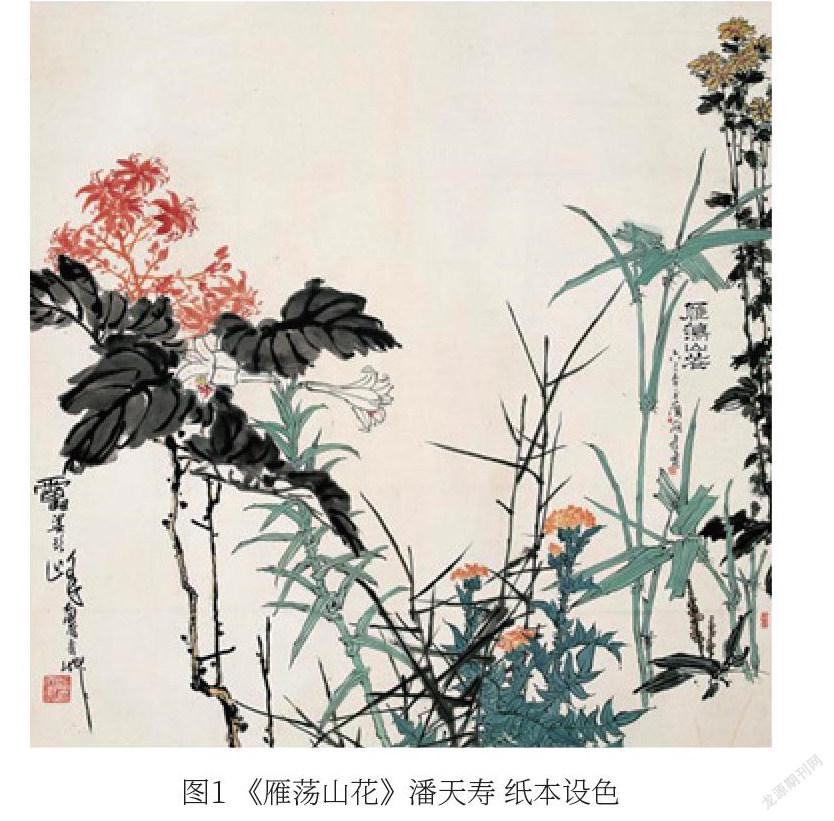
摘要:本文简要探讨了潘天寿对国画色彩价值的重构途径。通过对其作品与思想观念的考察,本文认为潘天寿接受了现代写生观念,开始在画面中重视色彩运用,但色彩风格并非完全写实。这是因为他在艺术思想中将色彩的价值指向了主体,主体的个性发挥成为其艺术追求的新道德,最终形成了潘天寿有别于传统的国画色彩认知。希望通过本文的探讨能够对潘天寿色彩观研究具有一定的参考价值。
关键词:色彩;新文化运动;个性;道德
Abstract: This paper briefly discusses Pan Tianshous approach to reconstructing the color value of traditional Chinese painting. Through the investigation of his works and ideas, the research showed that Pan Tianshou has accepted the modern concept of sketching and began to attach importance to the use of color in his paintings, but the color style is not completely realistic. It is because he directs the value of color to the subject in his artistic thoughts, and the subject's personality has become the new morality he pursues in art, and finally formed Pan Tianshou's perception of color in traditional Chinese painting. It is hoped that the discussion of this article will have certain reference value for the research of Pan Tianshou's color view.
Keywords: color;New Culture Movement;Personality;morality
前言:在中國早期绘画思想中,“色彩”地位极高,如“五采”的创制托名于黄帝,认为五色的起源与仪礼有关。汉代宇宙论儒学将天地的自然现象与君王的品性道德联系在一起,五色作为早期朴素宇宙论的重要概念,与五行相联,在刘劭的《人物志》中,五行、五色成为个人内质的外化表现,象征人的德性。至南北朝时期,谢赫提出“随类赋彩”更是将色彩的象征意味发挥到极致,学者颜勇指出,“应物”与“随类”概念并非是对“客体之色相世界的再现”,而是“主体在重现客体时的精神性力量”,可见传统中色彩的内在含义一直与主体、道德相连。士夫画兴起后,对色彩的重视程度一落千丈,色彩成为墨法的附庸,并逐渐程式化,善用色彩的院体被打成了反面,水墨的纯粹性可以满足士大夫们修身进德、冥想天理的观画意图。但明清士大夫在论及色彩时,依旧没有放弃早期传统中五色的道德指向性。
新文化运……