“区块链+政务服务”的发展路径研究
2021-03-22朱振涛梁建
朱振涛 梁建
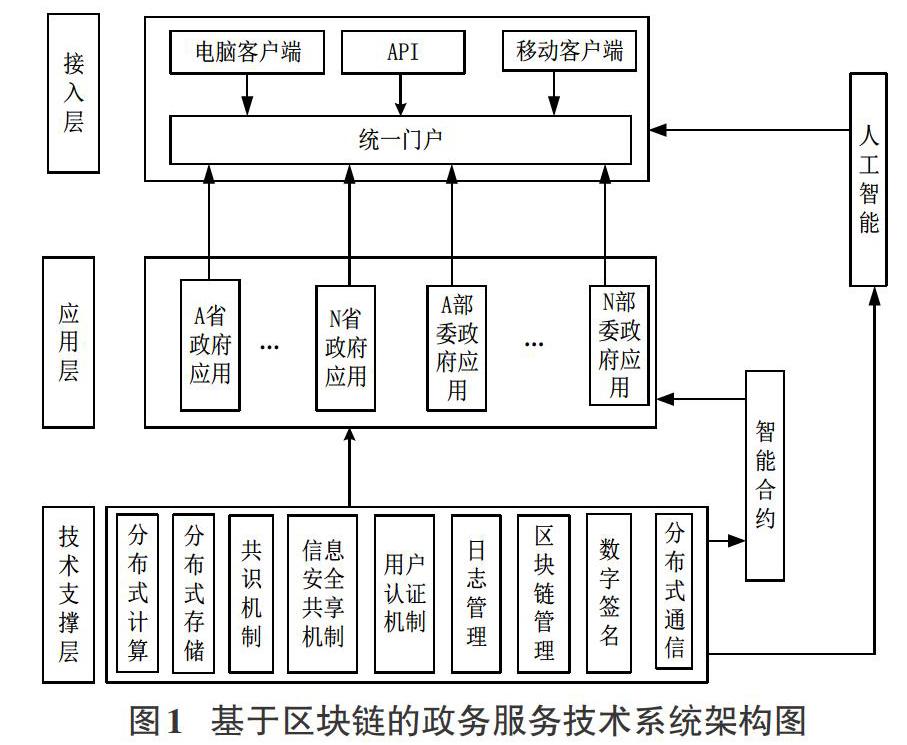
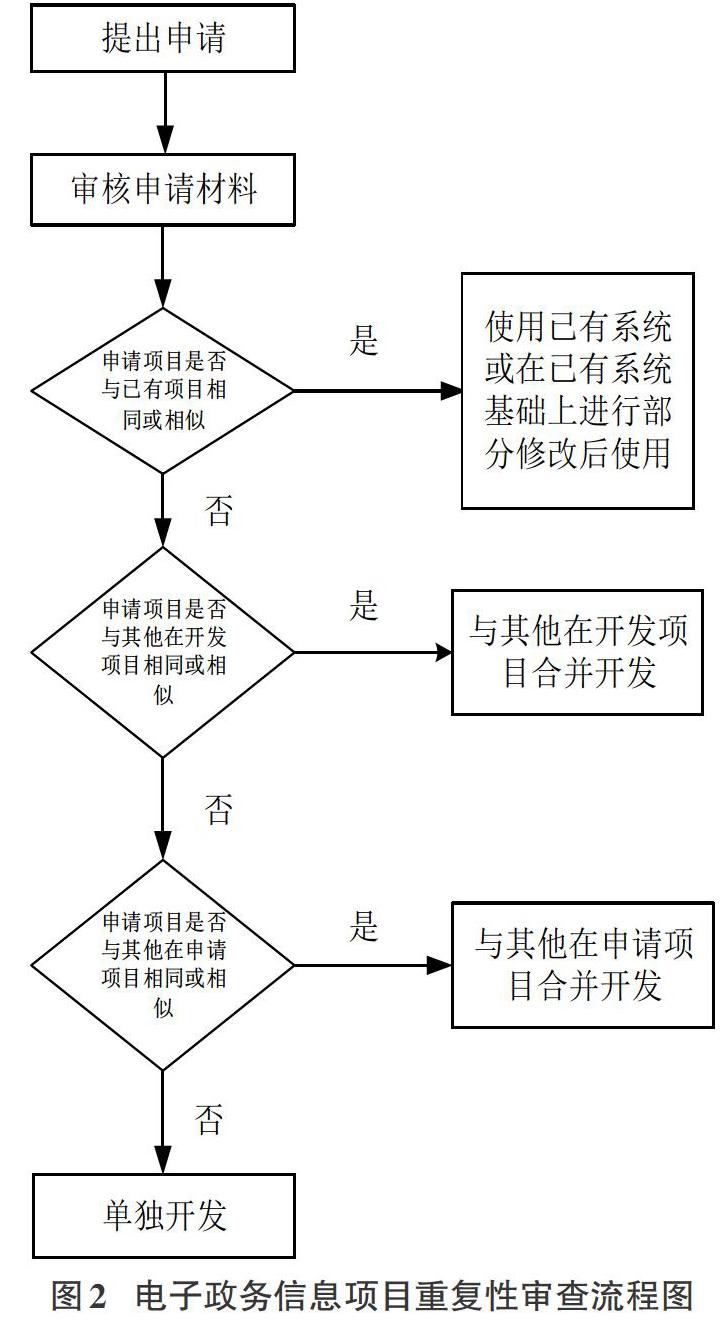
摘要:近来各级地方政府掀起了区块链技术开发的热潮,为了避免地方政府在将区块链技术应用于政务服务过程中重蹈传统电子政务所出现的重复投资,信息孤岛等问题,须打破传统理念束缚,从顶层设计角度进行“区块链+电子政务”的系统规划,重构电子政务服务系统。本研究首先分析了当前我国电子政务存在的问题及其原因,在此基础上创新性提出:采用“1+N”的模式开发“区块链+电子政务”的系统应用,系统性地解决了电子政务信息孤岛的问题。同时优化政务信息项目申请的审核流程,以避免电子政务信息项目的重复投资。
关键词:区块链;政务服务;发展路径
中图分类号: TP311 文献标识码:A
文章编号:1009-3044(2021)06-0245-04
Abstract:Recently, local governments at all levels have set off a wave of blockchain technology development. In order to prevent local governments from repeating the repeated investment and information islands of traditional e-government in the process of applying blockchain technology to government services, they must break the shackles of traditional concepts and implement "blockchain + e-government from the perspective of top-level design." "System planning, reconstruct the construction method of e-government system. This research first analyzes the current problems and causes of e-government in my country. On this basis, innovatively proposed: to adopt the model of "a set of underlying technology framework + N sub-projects" to develop the system application of "blockchain + e-government", which systematically solves the problem of information islands. At the same time, the review process of government information project applications was optimized to avoid repeated investment in e-government information projects.
Key words:blockchain; government service; development path
1 概述
我国的电子政务始于二十世纪八十年代,一般的看法是:我国电子政务的发展大致经历了三个阶段。第一个阶段是计算机办公软件辅助办公的单机应用阶段;第二个阶段是计算机接入互联网后,政府上网阶段;第三个阶段是政府信息整合的电子政务协调发展阶段。
Gartner的成熟度模型,将电子政务的发展分为五个阶段,第一阶段为初始阶段,该阶段的重点是将服务转移至网上;第二阶段为发展阶段,侧重于开放数据与开放服务;第三阶段为巩固阶段,该阶段的核心是以数据为中心,将原有简单听取公民需求的做法转变为主动探索和战略收集与利用数据进行改进;第四阶段为应用阶段,该阶段数据能够有规律地跨组织边界流动,促进各部门之间的交互;第五阶段为优化阶段,或者称为智慧化阶段,政府利用数据驱动创新,并深度融合多项新兴技术。……