北京通州路县故城城郊遗址地层土壤元素与人类活动研究
2021-03-10吕砚贾祥英孙勐刘乃涛
吕砚 贾祥英 孙勐 刘乃涛
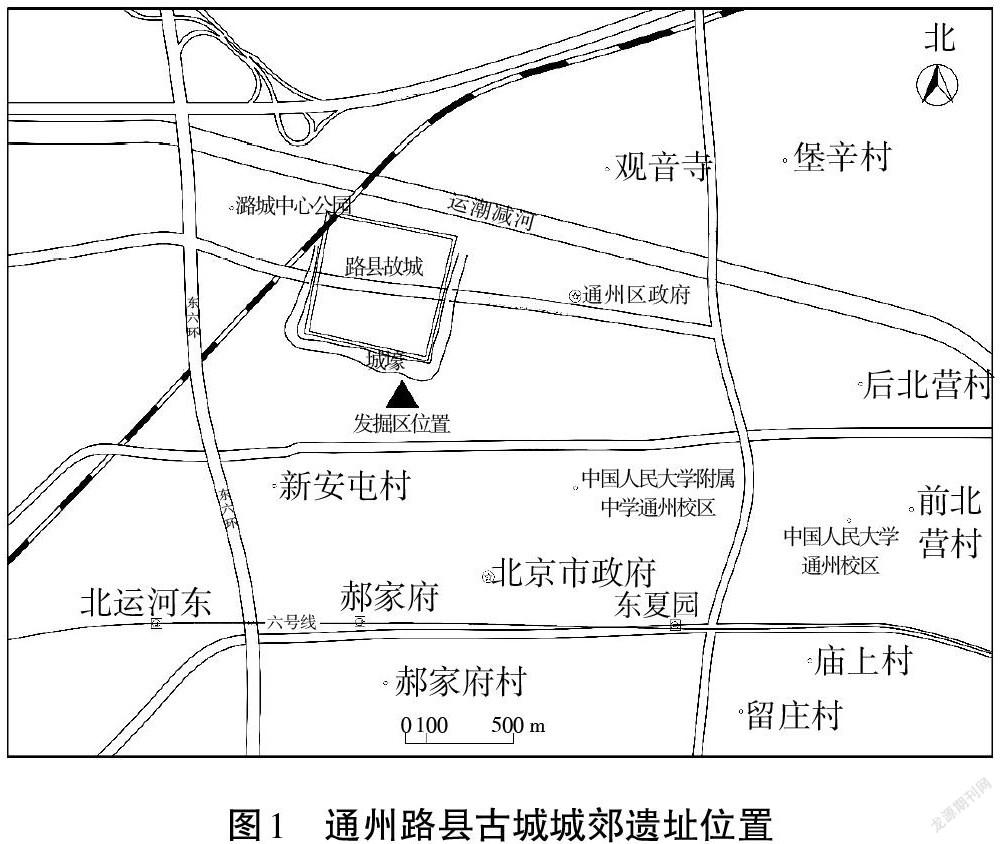
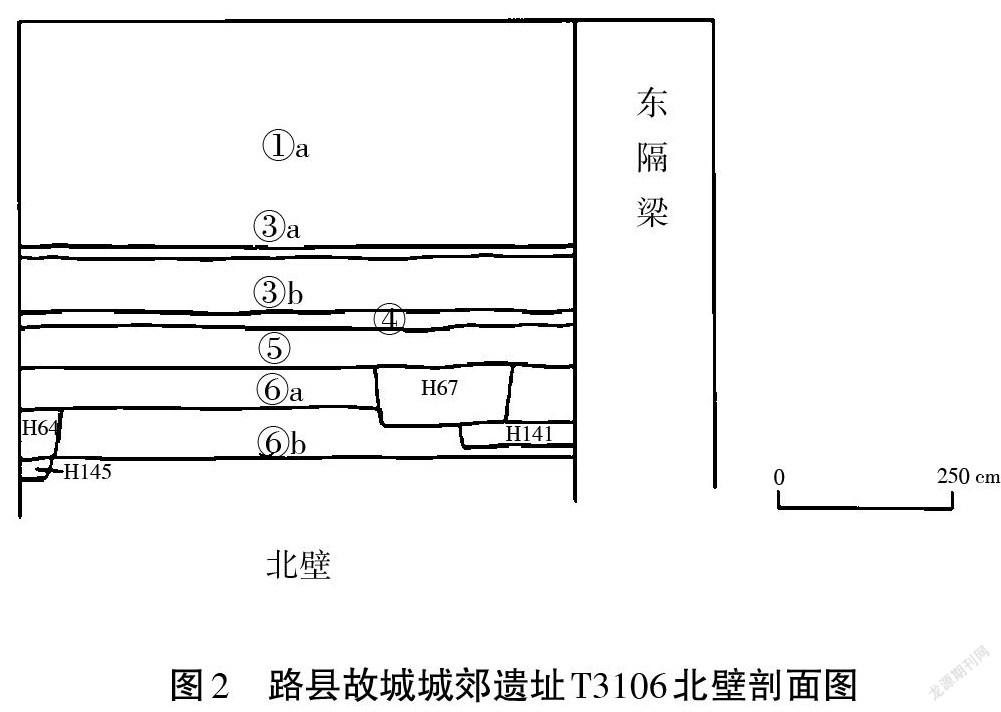

摘 要:运用X射线荧光光谱分析(X-Ray Fluorescence,XRF)方法分析北京通州路县故城城郊遗址文化层中的土壤矿质元素全量,分析比较对人类活动有指示意义的元素,以恢复自东汉以来遗址地层记录的人类活动特征。东汉至魏晋时期,路县故城城郊遗址地区与手工业相关的示踪元素丰富,表明这一时期城郊人类活动处于活跃期,且主要从事手工业生产活动;后期与居住相关的示踪元素P、Ca、Ba以及与手工业活动相关的Mn含量都明显高于前期,说明伴随着人类手工业活动的增加,城郊地区的居住功能随之增强。南北朝时期,Ba含量增加趋势明显,推测这一时期城郊区域人类的居住活动逐渐增加。Mn、Pb含量高,表明手工业生产依旧活跃;Cu含量下降明显,大量出土陶片,说明南北朝时期手工业生产主要从事陶器制作活动。辽金时期,示踪元素大幅度下降,至明清时期气候转干冷,遗址区域不再是人类聚居地。
关键词:古人类活动;路县古城城郊遗址;土壤元素;烧失量
中图分类号:K854 文献标识码:A 文章编号:1003-5168(2021)19-0118-05
Abstract: This paper uses the XRF method to analyze the total amount of soil mineral elements in the cultural layer of the Luxian County Suburban Ruins in Tongzhou, Beijing, also analyzes and compares the elements that are indicative of human activities and restores the characteristics of human activities recorded in the site strata since the Eastern Han Dynasty. From Eastern Han Dynasty to Wei and Jin dynasties, the trace elements related to handicrafts were abundant in the ruins of the ancient city Lu County, indicating that human activities in the suburbs were in an active period during this period and mainly engaged in handicraft production activities; the trace elements P, Ca, Ba related to residence and the element Mn associated with handicraft activities in later period is significantly higher than the previous period, indicating that with the increase in industrial activities, the residential function also increases. During the Southern and Northern Dynasties, human activities in the suburbs were still active, and element Ba increased significantly. It is speculated that with the abandonment of the ancient city of Lu County during this period, human activities in the suburbs gradually increased. The content of element Mn and Pb is high, the handicraft production is still active, the element Cu has dropped significantly, and a large number of pottery pieces have been unearthed, all of these indicating that the handicraft production during the Northern and Southern Dynasties was mainly engaged in pottery making activities. During the Liao and Jin Dynasties, the tracer elements dropped significantly, and during the Ming and Qing Dynasties, the climate became dry and cold, so the site area was basically abandoned as a human settlement.
Keywords: ancient human activities;suburban site of Luxian County;soil elements;loss on ignition
道庫恰耶夫在1883年出版的《俄罗斯黑钙土》一书中,首次提出气候、地形、母质、生物和时间是土壤形成的5大关键因素这一理论。人类作为重要的生物因素,其行为对土壤的影响越来越受关注[1-7]。土壤元素迁移变化的根本原因是自然环境变化引起的土壤环境改变,因此自然层中未受到人类影响的元素种类、含量等变化可以有效地反映自然环境的变迁[8]。……
