ARIMA模型与指数平滑法在新冠肺炎疫情传播中的应用
2020-08-31卢普庆
卢普庆
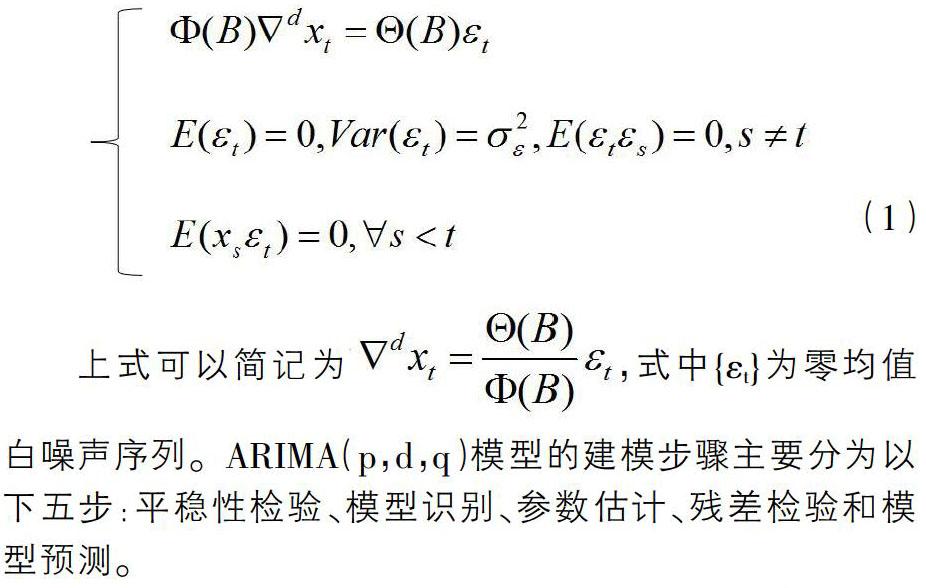
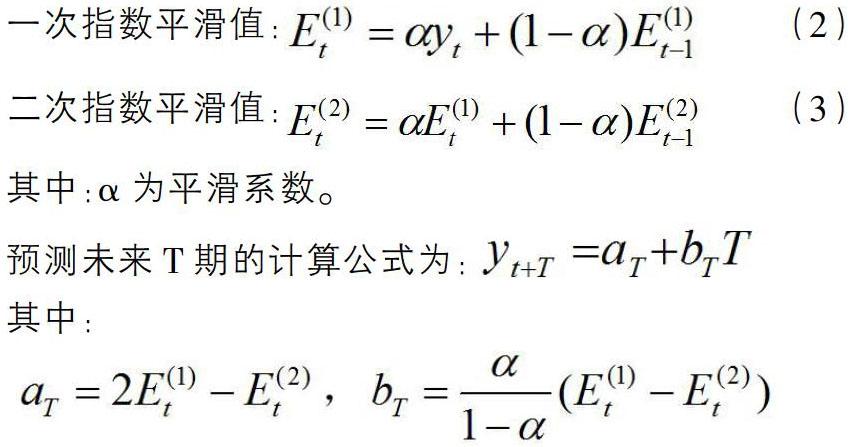
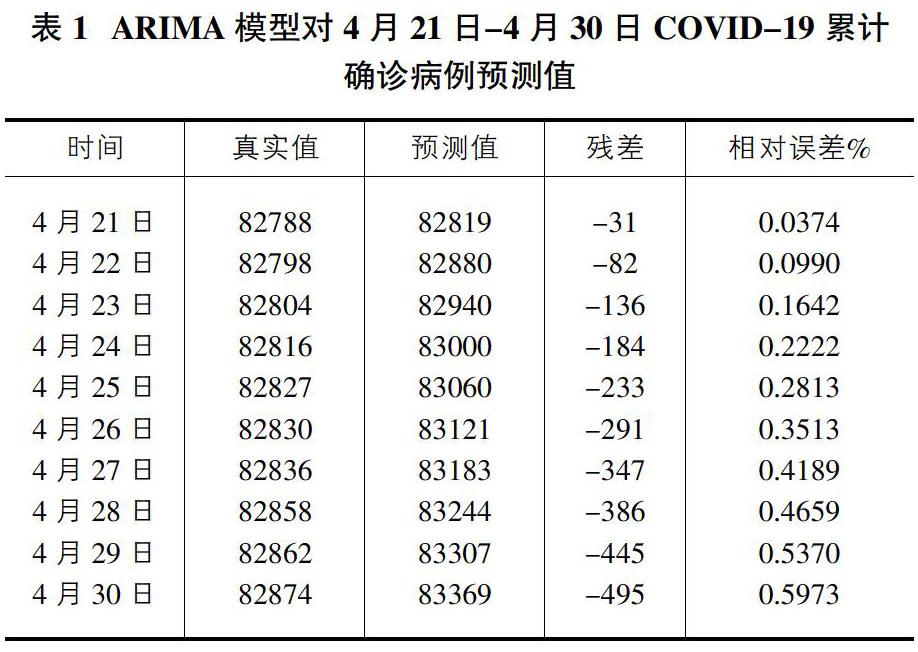
摘要:目的:分析ARIMA模型和指数平滑法对我国新型冠状肺炎(COVID-19)疫情变化趋势的预测效能。方法:选取我国2020年1月10日-2020年4月20日新冠肺炎累计确诊病例数作为ARIMA模型和指数平滑法的建模部分,2020年4月21日-2020年4月30日数据作为模型验证部分,比较两种模型的拟合情况和预测效果优劣。结果:ARIMA(2,2,1)模型的均方误差根(RMSE)为301.9043,相对误差百分比(REP)为3.1743,指数平滑模型的RMSE为200.9823,REP为2.1306。结论:指数平滑模型拟合效果较好,预测精度更高,可应用于我国COVID-19累计确诊病例数的预测。
Abstract: Objective: To analyze the predictive power of the ARIMA model and exponential smoothing method for the trend of COVID-19 in China. Methods: The cumulative number of newly diagnosed cases of new coronary pneumonia in China from January 10, 2020 to April 20, 2020 was selected as the modeling part of the ARIMA model and exponential smoothing method, and the data from April 21, 2020 to April 30, 2020 was used as the model In the verification part, compare the fitting situation of the two models and the pros and cons of the prediction effect. Results: The root mean square error (RMSE) of the ARIMA (2,2,1) model was 301.9043, the relative error percentage (REP) was 3.1743, the RMSE of the exponential smoothing model was 200.9823, and the REP was 2.1306. Conclusion: The exponential smoothing model has a better fitting effect and higher prediction accuracy, and can be used to predict the cumulative number of confirmed cases of COVID-19 in China.
關键词:新型冠状肺炎;ARIMA模型;指数平滑法;预测
Key words: COVID-19;ARIMA model;exponential smoothing method;prediction
中图分类号:N32 文献标识码:A 文章编号:1006-4311(2020)23-0164-04
0 引言
自2019年12月底在湖北省武汉市发现新型冠状病毒肺炎病例以来,新冠肺炎迅速在全球流行。2020年1月12日世界卫生组织(WHO)将该病毒命名为2019-nCoV[1], 2月11日世界卫生组织(WHO)将该病毒引起的疾病正式命名为COVID-19(Corona virus disease 2019)[2],3月11日,世界卫生组织正式宣布此次疫情为世界大流行,防控工作已成为全球公共卫生共同关注的问题。截止5月1日24时,COVID-19已影响到全球212个国家和地区,累计确诊病例逾300万,累计死亡已超过23万。绝大多数国家目前疫情仍在持续增长阶段,没有达到有效控制。而我国疫情在精准施策,科学防控等一系列措施下,取得了阶段性胜利,目前以境外输入性病例为主。疫情防控的成功与对病毒传播趋势的了解密不可分。因此,构建新冠肺炎疫情变化趋势的有效预测模型,对新冠肺炎疫情的防控具有重要的现实意义。
1 文献综述
目前,针对新冠肺炎防控的……