泉州古刺桐港虚拟漫游系统
2020-08-31郑小武王荣海范烨庄树涌李锦程陈明玉
郑小武 王荣海 范烨 庄树涌 李锦程 陈明玉
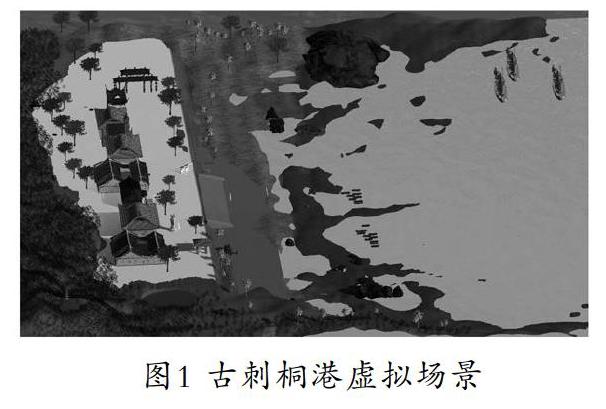
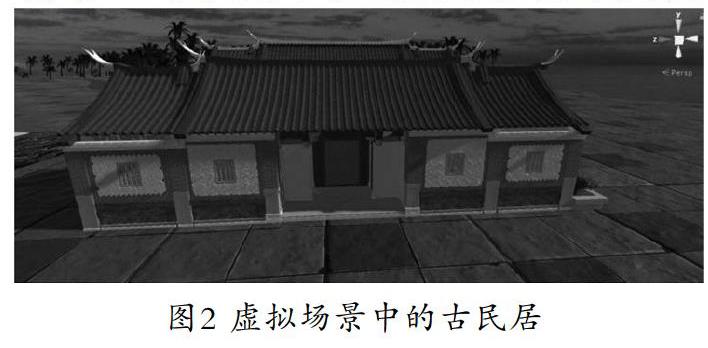
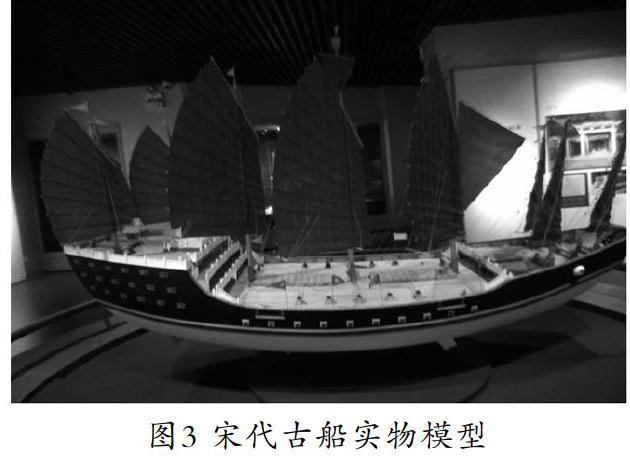
摘 要:泉州古刺桐港是古代海上丝绸之路的起点。以古刺桐港的遗址为参照创建古刺桐港虚拟场景。通过研究泉州古民居特点,并进行实地考察,选取典型古民居进行三维建模,作为古刺桐港虚拟场景周边的建筑。考察泉州海外交通史博物馆中已出土的宋代古船,参照陈列的复原古船模型,对宋代古船进行三维建模。在Unity3D中整合古刺桐港虚拟场景、古民居三维模型、古船模型及其他元素,结合虚拟现实头盔HTC VIVE,实现古刺桐港沉浸式虚拟漫游系统。实验表明古刺桐港虚拟漫游系统运行流畅,沉浸感强,为海丝文化遗产的传承与保护提供了一种新的形式。
关键词:古刺桐港;虚拟场景;泉州古民居;宋代古船;虚拟漫游
中图分类号:TP391.9 文献标识码:A
Abstract: Ancient Zayton Harbor in Quanzhou was the starting point of the ancient Maritime Silk Road. With reference to this site, a virtual scene of Ancient Zayton Harbor is created. The typical ancient dwellings are selected for 3D modeling as the buildings around the virtual scene of Ancient Zayton Harbor, through studying the characteristics of the ancient dwellings and carrying out fieldwork in Quanzhou. And a 3D modeling of the ancient ship of the Song Dynasty is constructed based on the restored ship model displayed in the Quanzhou Maritime Museum. Thus, the virtual scene of Ancient Zayton Harbor, the ancient dwellings 3D models, the ancient ship models and other elements are integrated with virtual reality headset HTC VIVE in Unity3D, to achieve the immersive virtual roaming system of Ancient Zayton Harbor. The result of the experiment shows that the virtual roaming system runs smoothly and immersively, providing a new form of inheritance and protection of the Maritime Silk cultural heritage.
Keywords: Ancient Zayton Harbor; virtual scene; the ancient dwellings in Quanzhou; the ancient ship of the Song dynasty; virtual Roaming
1 引言(Introduction)
虚拟现实技术为文化遗产的传承与保护提供了一种新的形式。三维建模及创新的沉浸式虚拟现实工具的使用可以进一步促进人们以更有吸引力和创新的方式获取文化遗产[1]。有研究表明,特定的年龄段和背景的人特别喜欢用虚拟现实来体验和学习文化遗产[2]。Madison Kramert等对19世纪流行的美式第二帝国风格的标志性建筑物进行三维建模并对模型进行逼真的3D打印[3]。Debailleux L等实现了欧洲文化之都比利时蒙斯市主广场的虚拟漫游系统并对虚拟漫游的效果进行评估[4]。早在2006年,清华大学对圆明园的部分建筑进行了虚拟重建并实现虚拟漫游[5],是国内进行文化遗产数字化的较早尝试。……
