一种用于钢铁冷加工过程的二维码标识系统
2020-08-31方木云黄清吴辉冬仇祯
方木云 黄清 吴辉冬 仇祯
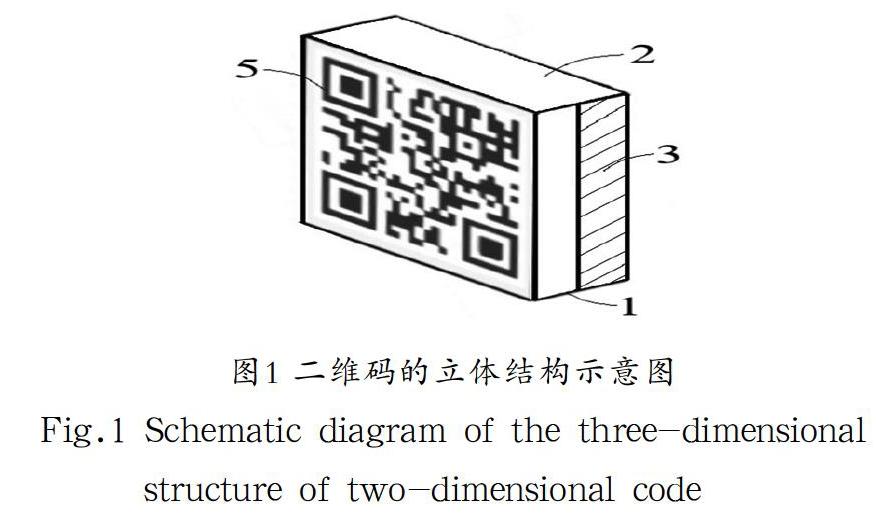
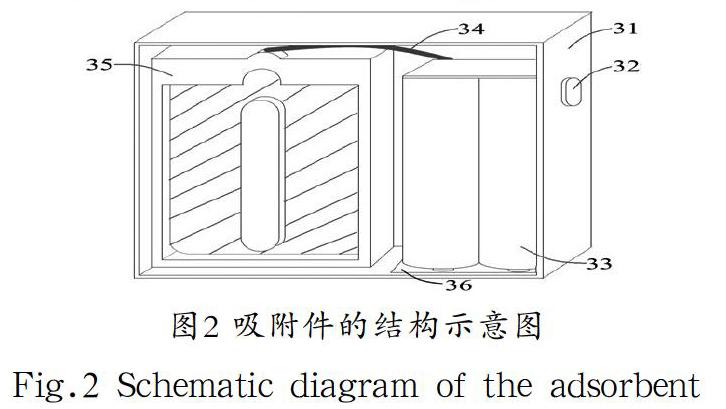
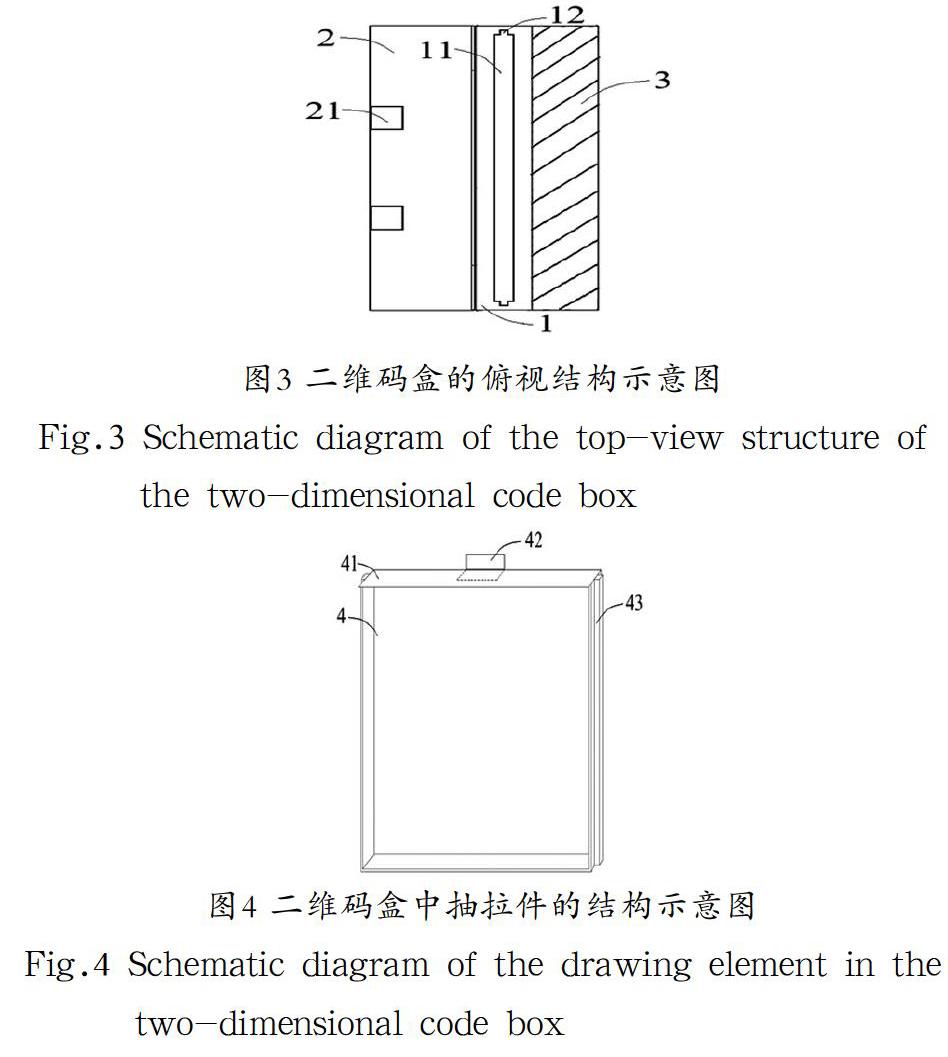
摘 要:二维码具有信息量大、纠错能力强、易被扫描设备快速识别等优点,常被粘贴在物品的表面作为物品的唯一性标识。但是对于反复冷加工的钢铁工件来说,在加工的过程中难以粘贴二维码。为此提出一种磁性二维码标识系统,在堆放的时候,二维码标识盒靠磁性粘贴在加工件的端面来标识;在加工的时候,取下二维码标识盒,从而解决了标识和加工这对矛盾。扫描二维码可以得到工件材质和每道工序的加工内容、加工时间和加工者等基本信息。
关键词:二维码;钢铁冷加工;标识系统
中图分类号:TP311 文献标识码:A
Abstract: The two-dimensional code is often pasted on the surface of the item as the unique identification of the item as it has several advantages, such as large amount of information, strong error correction ability, and easy recognition by the scanning devices. However, for steel parts that are repeatedly cold-processed, it is difficult to paste a two-dimensional code during the processing. Therefore, a magnetic two-dimensional code identification system is proposed. When stacked, the steel parts can be identified by the two-dimensional code identification box which is magnetically pasted on the end surface of the processed par. During processing, the two-dimensional code identification box is removed, so the contradiction between identification and processing is solved. The basic information of steel parts, such as the material of parts, processing content, processing time and processor of each process, are all available, when the two-dimensional code is canned.
Keywords: two-dimensional code; cold processing of iron and steel; marking system
1 引言(Introduction)
在某一应用范围内,二维码是标注物品唯一性的重要方法,它们往往是粘贴、喷印或者刻录在相应的物品表面上。如超市里面的商品贴有二维码、工厂里面的成品喷印有二维码或者刻录了激光码,这些二维码记录商品或成品的大量信息,作为唯一性标识伴随着物品进行流通[1,2]。然而,在现实世界中有很多物品需要标识唯一性,以便记录它们的生产过程,为后续的工作量考核和质量追溯提供依据。但在它们一系列的加工过程中,如果采用传统的粘贴、喷印或者刻录的方式来固定二维码,就成为不可能。这有两个原因:一是在进一步的加工过程中会导致二维码损坏,如搬运过程中碰落掉或直接被加工掉等;二是在加工過程中还需要不断增加二维码的信息,如新工序的加工开始时间和结束时间、加工内容、加工者等信息。……
