城镇污水处理自动控制策略研究进展
2020-04-17郑怀礼李俊孙强赵瑞李关侠黄文璇丁魏肖伟龙
郑怀礼 李俊 孙强 赵瑞 李关侠 黄文璇 丁魏 肖伟龙
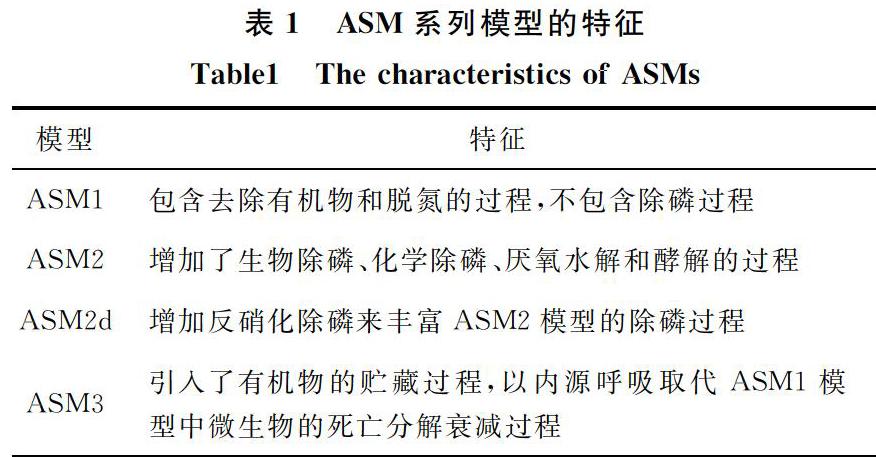
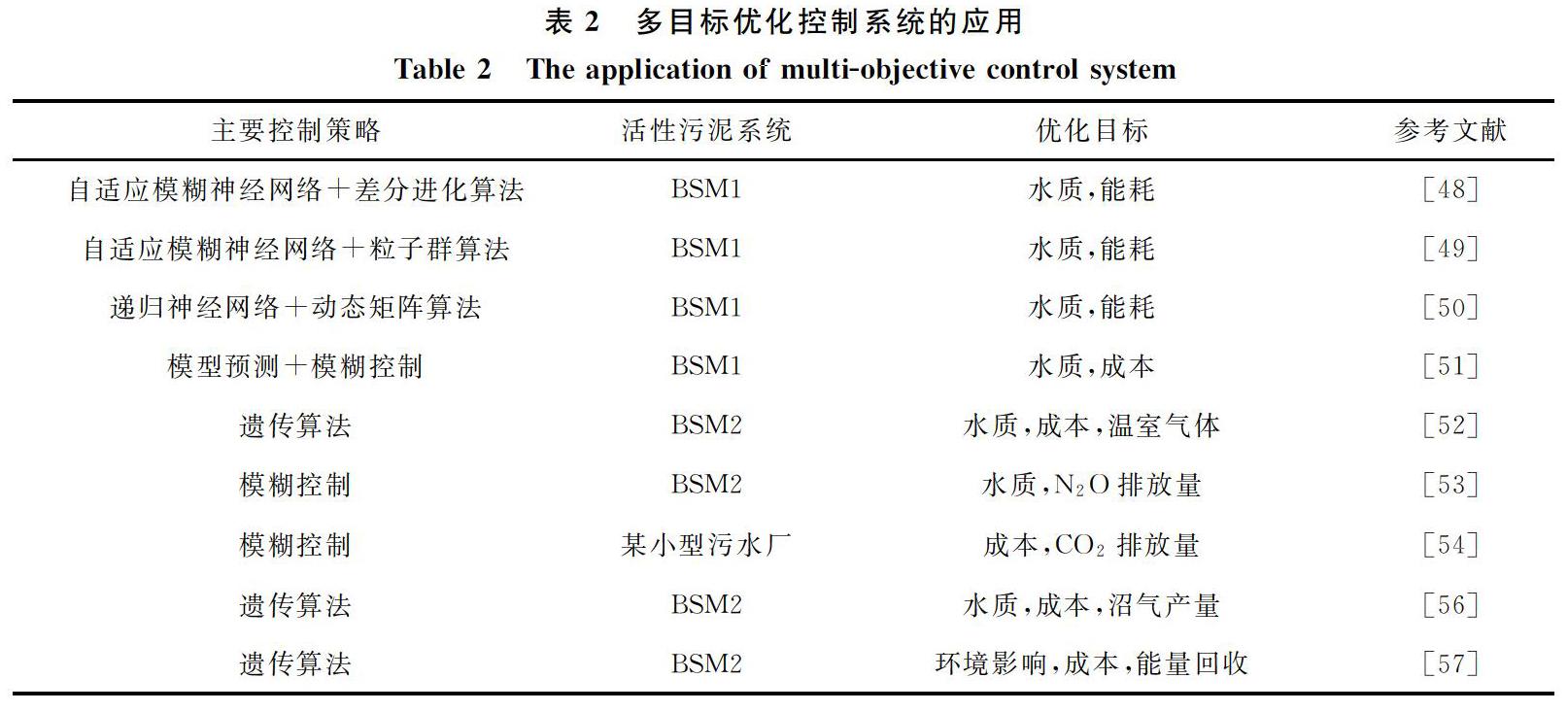
摘 要:全过程自动化控制是未来城镇污水处理厂的发展方向,但由于污水处理过程具有非线性、多变量、时变性等特点,自控系统中关键运行参数的测量以及控制决策的制定都存在困难,目前实际应用的系统大多停留在实现单一参数或单一反应器控制的层面上。自动控制策略是整个自动控制系统的头脑,是充分发挥系统软硬件效能、保证系统鲁棒性的关键。总结了城镇污水处理厂自动控制方案依据的数学模型,描述了活性污泥模型(ASM)和仿真基准模型(BSM)的基本特征,综述了自动控制策略在城镇污水处理曝气、化学除磷以及多目标优化控制方面的研究进展,分析了目前研究中存在的挑战和机遇,发现理论研究与工程实践相结合是加快城镇污水处理厂自动化进程的必要途径。
关键词:自动控制;活性污泥数学模型;曝气;化学除磷;多目标优化
中图分类号:X703.1 文献标志码:R 文章编号:2096-6717(2020)01-0126-09
Abstract:Urban wastewater treatment plants are oriented to the entire process control, while automatic control systems encounter many problems in parameter measurement and decision making because the wastewater treatment process is nonlinear, multivariable and time-varying. Thus most of control systems in practice are merely aimed at single parameter control or single rector control by now. Automatic control strategies are the brain of control systems, which could fulfill the potential of the hardware and software in the system and ensure the robustness of the system. Thus the mathematical models applied in the automatic control strategies of the urban wastewater treatment are introduced, and the characteristics of Activated Sludge Models (ASMs) and Benchmark Simulation Models (BSMs) are summarized. The automatic control strategies in terms of aeration, chemical phosphorus removal and multi-objective optimization control are described respectively, and the challenges and opportunities in the recent research are presented. Combining the theoretical research and the engineering practice is necessary for the automation process of the urban wastewater treatment plants.
Keywords:automatic control; activated sludge models; aeration; chemical phosphorus removal; multi-objective optimization
水污染控制是生態文明建设的重要一环,良好的水环境是美好生活的必要需求。随着中国经济的发展和人民生活水平的提高,污水排放量与日俱增,污水处理行业面临巨大挑战。污水处理行业作为能源密集型产业,运行成本高昂,如何在生产运行中兼顾环境效益与经济效益成为城镇污水处理厂面临的难题[1-2]。自动控制技术的引入有助于解决这个问题。一方面,可靠的自动控制系统可以在保证处理效果的前提下降低能耗和药耗,节约能源和资源;另一方面,自动化的实现可以把人从重复动中解放出来,节省人力劳动以降低人力成本。……
