民间祥瑞
2020-04-01霍安
霍安
There were huge gaps between the lives of royal families and plain folks in every aspect. However, there were still some things shared by both groups as the spiritual link connecting individual human beings. The dragon image was solely used by the emperor, but the dragon elements rested in the folk culture anywhere, such as the dragon dance, dragon-boat racing, Dragon King worship, etc. These dragon elements constituted a significant part of traditional Chinese folk culture. Even today, one can witness the dragon element in the daily life of Chinese people. They may not worship the creature anymore, but they continue to perform these unique Chinese activities and ceremonies with dragon culture and enjoy the spiritual belonging passed on for thousands of years.
在等级森严的封建社会,皇室贵胄与平民百姓之间有着巨大的隔阂,从生活方式到思维理念,都差异巨大,很难相互理解。可是,总有一些东西是共通的,连接起作为人本身彼此之间的精神纽带。
在中国古代社会,皇家视自身为上天的代言人、龙的嫡系子孙,而民间则将龙视为尊贵、祥瑞的化身,加以崇敬。上下的不同角色和分工,使整个社会和谐统一。
在很大程度上,龙的形象只有皇帝即“真龙天子”才能使用,但事实上,民间文化中龙元素几乎无处不在,如十二生肖中的龍、二月二龙抬头中龙以及舞龙、赛龙舟、拜龙王……这些龙的形象充满活力与民间文化的质朴性,构成了中国传统民俗文化中极为重要的一部分。
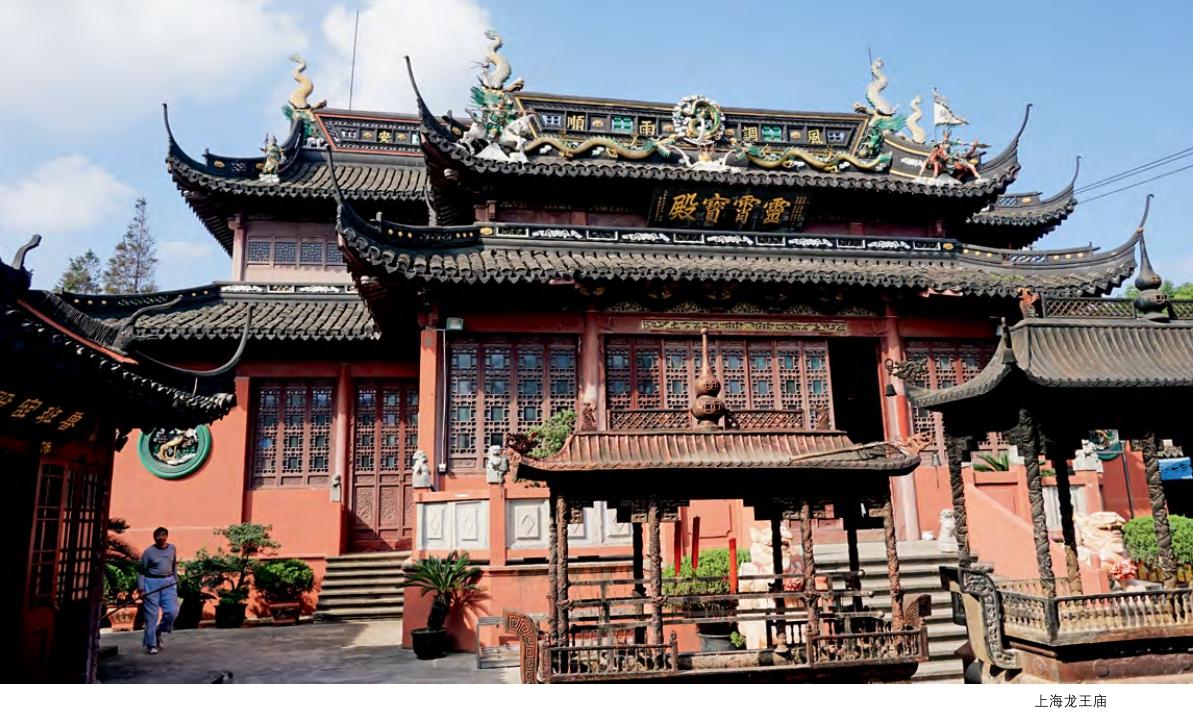
对于古代的平民而言,生存是第一要务,而吃得饱当然是维系生存的头等大事。于是,司掌行云布雨的龙便成了能够主宰万民生息的重要神祗。隋唐之际,佛教在中国盛行,其中关于龙王的说法对中国本土的龙神信仰、五龙传说加以具象化,使得龙王崇拜逐渐在中国人心中深化,成为上至帝王下至黎民的共同信仰。唐玄宗时,诏祠龙池,设坛官致祭,以祭雨师之仪祭龙王;宋徽宗诏天下五龙皆封王爵:封青龙神为广仁王,赤龙神为嘉泽王,黄龙神为孚应王,白龙神为义济王,黑龙神为灵泽王。而在民间,拜祭龙王、祈求风调雨顺更是极为普遍的一种信仰和仪式,龙王庙几乎成了所有村镇必备的祭祀场所之一。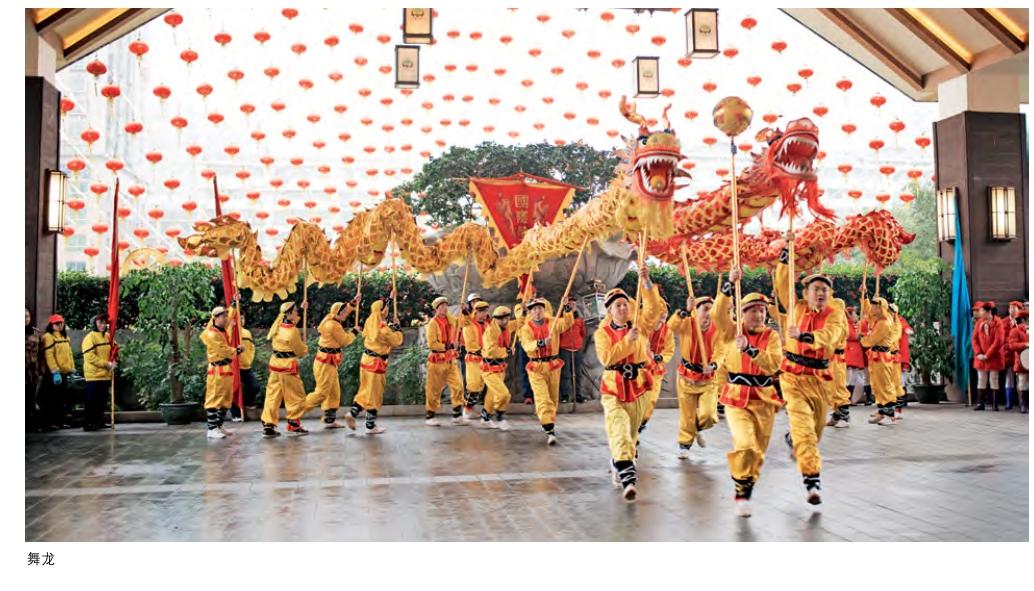
对龙以及对龙王的崇拜,是中国民俗活动中重要的组成部分。
