谈清代景泰蓝纹样的种类与文化涵义
2019-07-08安丽哲
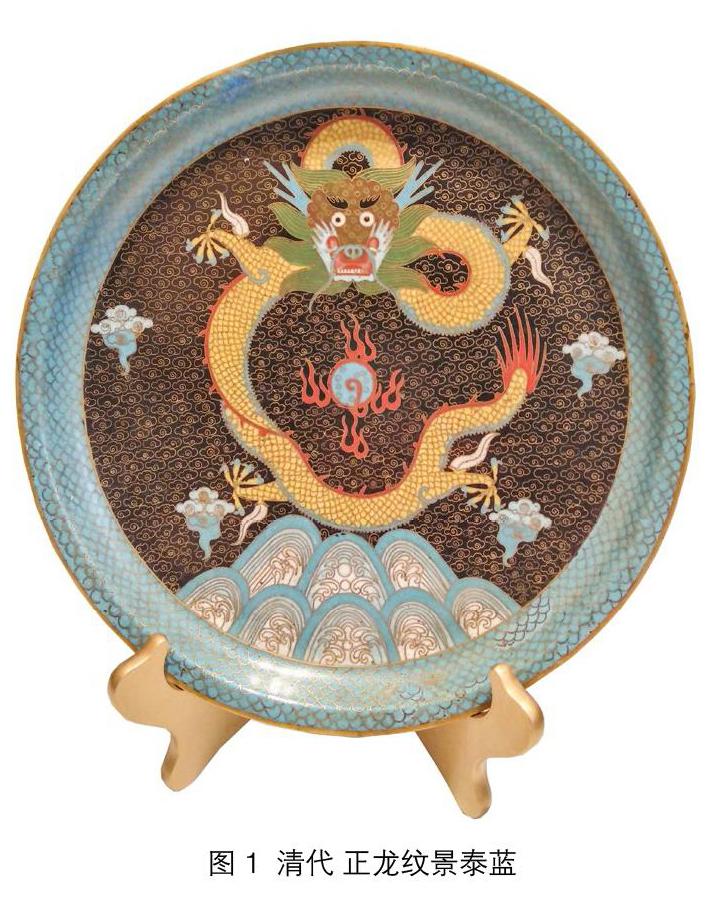
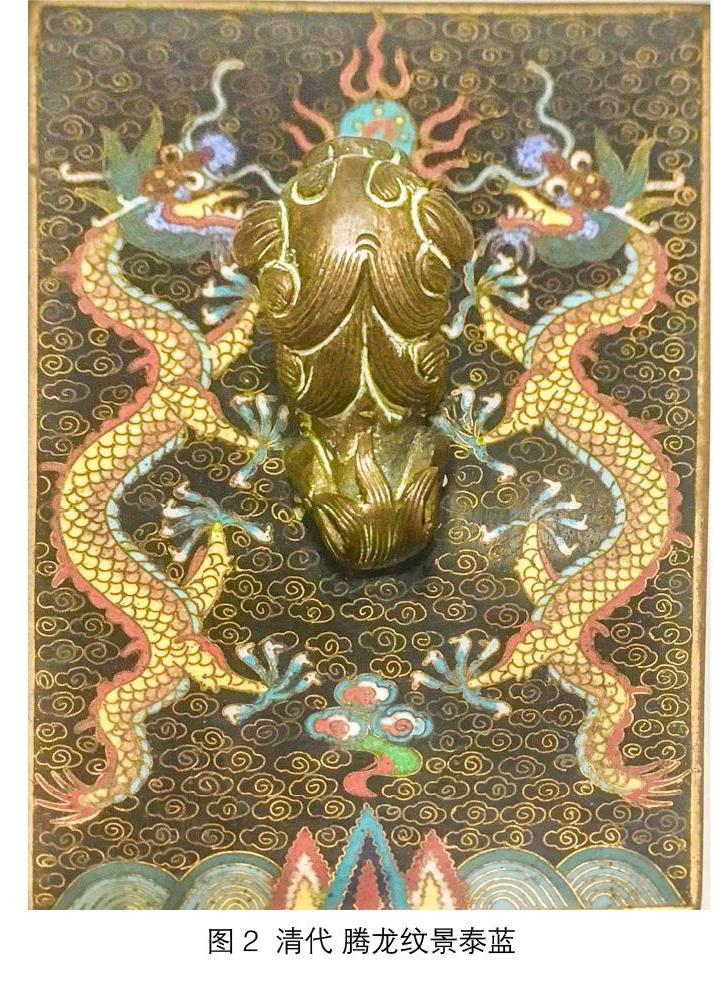
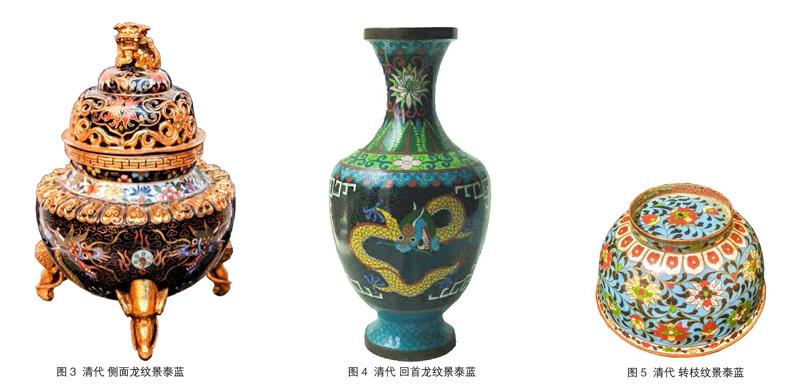
摘 要 目前学界对于传统纹样的探讨主要集中于瓷器纹样、服饰刺绣、石刻、木刻、剪纸等类别上,鲜有对景泰蓝的传统纹样进行总结和讨论。笔者在搜集国内外大量清代景泰蓝纹样的基础上,结合历史文献将其中最常见的传统纹样的种类与涵义进行概括与分析,从而为传统景泰蓝文化的传承与发展提供参考。
关键词 景泰蓝;纹样;龙纹;手工艺;艺术人类学
引用本文格式 安丽哲.谈清代景泰蓝纹样的种类与文化涵义[J].创意设计源,2019(3):4-8.
Abstract At present, the discussion of traditional patterns in the academic circle mainly focuses on porcelain patterns or clothing embroidery, stone carving, wood carving, paper cutting and other categories, and seldom discusses the traditional patterns of cloisonne.On the basis of collecting a large number of cloisonne patterns in the Qing dynasty at domestic and abroad, the author combined historical literature to summarize and analyze the types and meanings of the most common traditional patterns, so as to provides references for the inheritance and development of traditional cloisonne culture.
Key Words Cloisonne;Pattern;Dragon pattern;Handicraft;Artistic anthropology
从广义上来说,“景泰蓝”是对金属胎掐丝珐琅工艺及其制品的一种约定俗成的称谓,它是2006 年第一批进入国家级非物质文化遗产名录的传统手工艺之一。关于景泰蓝起源于何时何地,业内多有争议,一说为景泰蓝诞于商代;一说为景泰蓝产于唐代;还有一说为元代忽必烈西征时,自西亚传入中国,不过大家一致认同景泰蓝的技艺在明代景泰年间(公元1450—1457年)已经非常成熟,并开始在宫廷内部盛行,而因制作这种工艺品的底色多为蓝彩珐琅釉(如天蓝、钴蓝、宝蓝等),所以称其为“景泰蓝”。
一、清代景泰蓝纹样研究的基础
清代是景泰蓝烧造的高峰期,有句俗话叫“一件景泰蓝,十箱官窑器”,讲的就是景泰蓝的价值。明代晚期与清代中早期,景泰蓝是御用烧制,只有宫廷可以使用,明代少府监、清宫造办处“珐琅作”都是专门制作景泰蓝的地方。在清同治年间(公元1862—1874年)以后,经济衰退,国库亏空,宫廷已不能继续供养专门的景泰蓝工匠,遂将他们打发出宫。……