粮食最低收购价政策下我国粮食价格规律测度研究
2018-06-01朱艳娜何刚方仁友
朱艳娜 何刚 方仁友
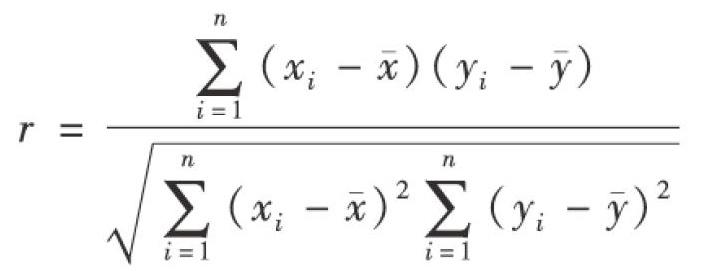

摘 要:为探究粮食最低收购价政策下我国粮食价格的波动规律,搜集我国粮食价格相关数据,可视化对比分析粮食价格的变化趋势,分析影响粮食价格的因素,运用ARIMA时间序列模型测度近年来粮食价格的变化情况,寻找其波动规律。研究结果表明:粮食类零售价格指数对国内粮食价格的相关系数最大为0.996,人口、CPI、国际粮食价格对国内粮食价格的相关系数分别为0.357、0.411、0.312;国内粮食价格在2003年到2004年期间迅速上涨主要受SARS和稻谷减产影响,2015年至2018年的国内粮食价格变动趋于稳定。
关键词:粮食最低收购价;粮食价格;ARIMA;时间序列
中图分类号:F323.7 文献标识码:A文章编号:1672-1101(2018)01-0037-06
Abstract: In order to explore the fluctuation law of grain price under the policy of minimum purchase price of grain in our country, collect the relevant data of grain price in China, and visualize and compare the changing trend of grain price. By analyzing the factors that affect grain prices, this paper uses ARIMA time series model to measure the change of grain prices in recent years and looks for the law of fluctuation. The results show that the highest correlation coefficient between the grain retail price index and the domestic grain price is 0.996, while the correlation coefficients of population, CPI and international grain prices to domestic grain prices were 0.357, 0.411 and 0.312 respectively. Domestic grain prices rose rapidly between 2003 and 2004, mainly affected by SARS and rice output reduction. Domestic grain price changes from 2015 to 2018 tended to be stable.
Key words:Crops Minimum purchase price; Grain price; ARIMA; Time series
一、文獻综述
根据国家粮食局网站公布的数据可知,自执行粮食最低收购价格至今,小麦政策性收购量占总产量比重较高,一直维持在20%-40%左右,其最低收购价杠杆效应较小,年均增产率达3.8%。
稻谷的最低收购价格逐年上升,其中2007年至2013年间增长速度明显加快;其政策性收购量占稻谷总产量比重一直维持在7%以下,但稻谷连年增产,年均增产率1.5%,可见稻谷最低收购价政策产生的杠杆效应十分明显[1]。
通过查阅大量文献可知,不少学者从不同视角运用多种方法测度我国粮食价格变动规律。为明晰农资价格对粮食价格的影响,秦平三借助格兰杰因果检验测度农资总体、化学肥料、农药等价格变动对粮食价格的波动效应[2];肖国安等结合经验模态分解(EMD)与典型相关分析定量探究国际粮价波动对我国粮食市场的冲击力度[3];……