重生之冬
2017-10-13ByBerndBrunner
By+Bernd+Brunner
季節轮换,周而复始,自古以来与人的吃穿用住密切相关,尤其是冬季,似乎在当代流行文化想象中稳占一席之地。《权力的游戏》、《冰血暴》、《冰雪奇缘》……众多极受欢迎的影视作品,不仅展现了大自然赋予人类、赋予世界的冬,我们还能看到人性在其中的纠缠、期盼与重生。于我,冬是反思、重生之季,是退一步思考、追缅之季。于你呢?
Winter can mean different things, depending on where you are. It rages most fiercely in the north—in Scandinavia, Siberia, Alaska or Canada—and in the extreme south, the Antarctic.1 In these places, winter is the darkest season. The Norwegian village of Rjukan2,tucked away in a steep valley, was shaded from the Sun for close to six months of the year, until its inhabitants began using giant mirrors to direct sunlight into the vale a few years ago.
Theres no such thing as a “typical” winter, geographically speaking. But some kind of universal cultural image seems to have grasped the collective imagination in its cold talons3. Think snowfalls, swirling icestorms, Game of Thrones, Disneys Frozen.4 Whats the appeal of the idea of an extreme winter? Even in the Arctic, the season isnt one long blizzard5. Because of the dryness of the air, it doesnt snow very much, though once it falls, it lasts longer than in more temperate climes.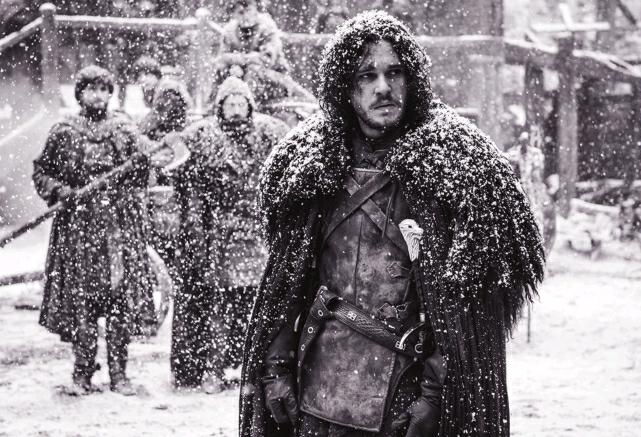
The form winter takes is a matter of location, latitude and altitude. In the temperate areas of Brazil, the cold sets in between June and August,when residents start priming6 themselves for “chilly”temperatures of 20 degrees Celsius. Pullovers, scarves, wool caps and anoraks7 are considered essential, and the beaches are empty.
The existence of four seasons is a feature of the middle and upper latitudes, and a vestige of the geopolitical dominance of the countries affected by such seasonal shifts.8 The ancient Romans were among the first to carve up the year into quarters, as a way of attempting to control the inherent variability of nature and to plan recurring tasks. Why did this particular system catch on? Perhaps because there are certain parallels with the phases of human life: childhood, youth, adulthood, old age.
All over the world, animals and plants have had millions of years to adapt to low temperatures. We humans, however, are tropical beings, with biological origins in the African savanna9. We havent even had the time to develop fur. Over the centuries, weve made a multitude of efforts to deal with the cold season: meteorology, heating, insulated homes,10 food preservation, appropriate clothing. The legendary ice-man “?tzi”, who lived more than 5,000 years ago, is Europes oldest natural mummy; he was found in a glacier in the Alps wearing five different types of skin and fur, including leggings and a hat.endprint
But climate change is a confounding factor. Now that we have officially arrived in the Anthropocene11, winters in many places are getting shorter, wetter and warmer. In fact, 2016 was the hottest year since records began. In some parts of North America in 2016, autumnal foliage12 lasted almost a month longer than normal, and frost came extremely late. In the Mediterranean and the American South, the summers have grown hotter and longer than before, and the winters are correspondingly shorter and milder.
Unsurprisingly, as with everything thats scarce or unpredictable, “winter” can now be dosed out13 as a well-measured product, an intense sensual experience.“Ice swimming” in gelid14 lakes or beside glaciers is a popular topic on local European news broadcasts every winter. For those of us who can afford it, a weekend at an ice hotel might beckon, or a trip to the Arctic that allows us to see vast expanses of vanishing ice up close.15 Knowing that we might be among the last generations to see sea-ice seems to add a morbid, illicit thrill to the exercise.16
The devastating effects of these changes on the Earths natural ecosystems should be our most urgent concern. But we might also consider what we will miss, philosophically and spiritually, if winter as we know it disappears in the Anthropocene.
Winter, for me, is a period of reflection and regeneration, of withdrawal, reminiscent of a time when humans were forced to be more malleable and responsive to the seasons.17 Each year, I long to see the landscape around my home in Germany transformed by the cold: frost-limned trees, crisp air, and snow shrouding everything, muffling every sound, as if covering over the acoustic evidence of humanity.18
But human intervention will affect the phenomenology19 of winter. This is not just because of meteorological change. Knowing that the caprices of the weather are caused by us, as much as by any “natural” process, changes how we experience the seasons: our relation to them, the respect and interest we accord them,20 and the way that they affect our perception of our place in the world.
For me, the experience of real, unbridled21 cold is what lets me relish the warmth and release of summer. In a sense, both seasons depend on each other. Albert Camus reminds us of this dialectic of seasonal anticipation: “In the depth of winter, I finally learned that within me there lay an invincible summer.”22
不同地域的冬,有著不一样的风情。在斯堪的纳维亚、西伯利亚、阿拉斯加或加拿大等北部地区,冬肆虐横行,天寒地冻——最南端的南极洲亦是如此。在这些地方,冬是最暗无天日的季节。挪威尤坎镇隐藏在深深的山谷里,一年中将近六个月看不到阳光,直到几年前,村民们装起了巨大的镜子,将阳光折射至谷中。endprint
从地理学的角度讲,根本没有“典型的”冬天这种说法。然而,某一普遍的文化意象,仿佛伸出冰冷的爪子,紧紧攫住了大众对冬的集体想象:一提到冬,人们就会联想到下雪、呼啸纷飞的冰暴、《权力的游戏》和迪士尼的《冰雪奇缘》。冬天这样的极寒之季究竟有何魅力?(实际上)即便是在北极地区,冬季也从来不是一场漫无休止的暴风雪。由于空气干燥,降雪反倒不太常见,然而一旦降雪,持续时间比温带地区要更长。
一个地方的冬所呈现的形态取决于其位置,即纬度和海拔。在巴西的温带气候地区,六到八月间逐渐感受到凉意侵袭,居民们开始为20摄氏度“寒冷的”气温来临做准备:套头衫、围巾、羊毛帽和带风帽的厚夹克必不可少,海滩上也空无一人。