资产价格波动与商业银行脆弱性:理论基础与宏观实践
2017-02-16舒长江胡援成樊嫱
舒长江+胡援成+樊嫱
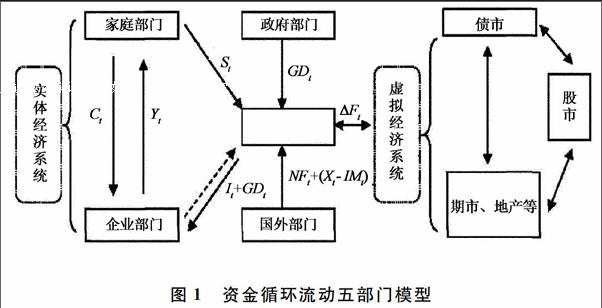
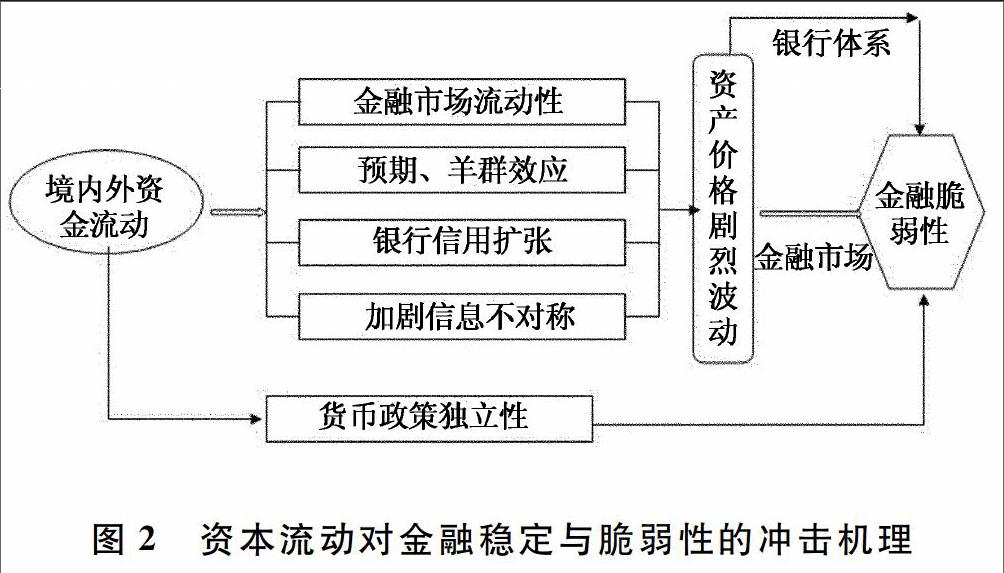
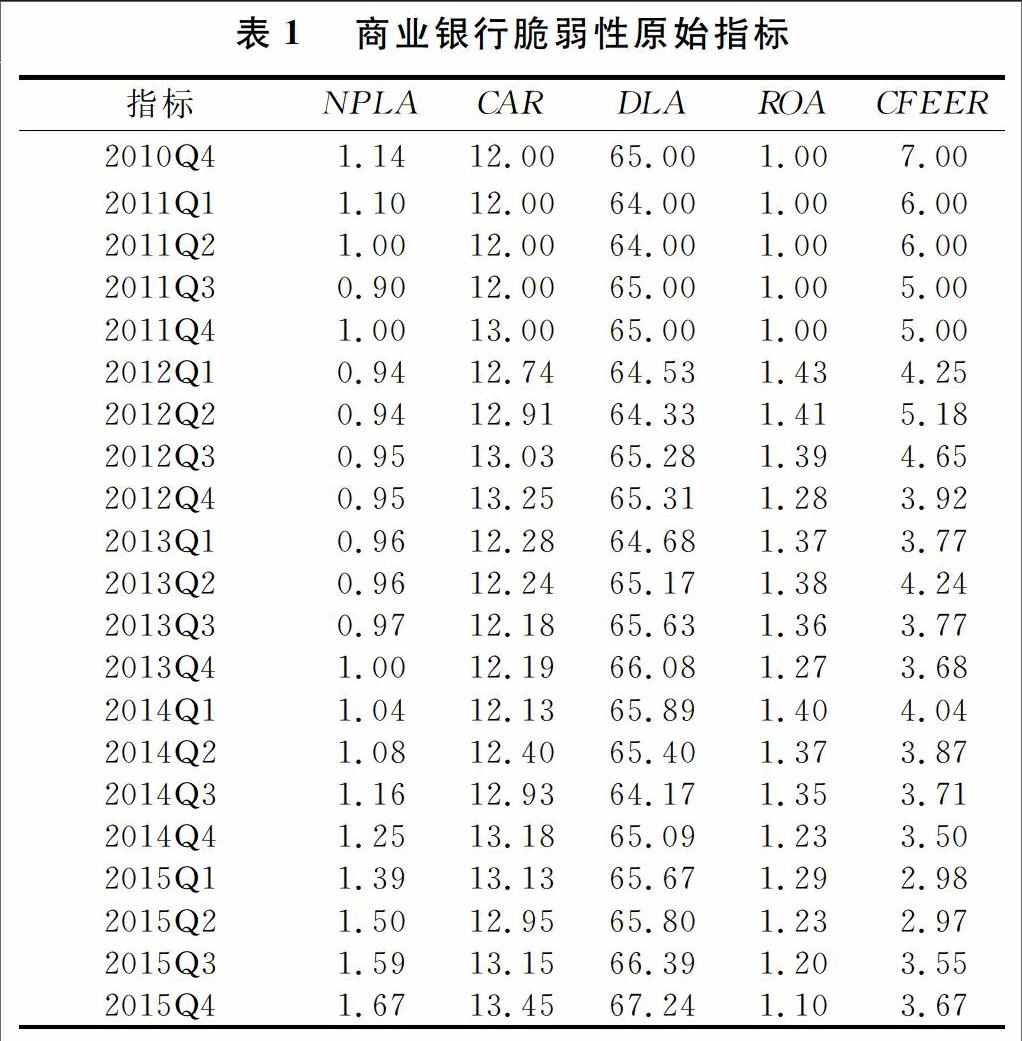
[摘要] 本文基于资金循环理论基础,利用2010Q4—2015Q4季度相关指标数据,构建了包含金融市场多项资产价格波动的FCI指数和商业银行脆弱性代理变量,建立了两者之间多元线性回归与VAR模型,并通过脉冲响应函数,得出FCI指数的表达式。研究结果一致表明,无论是线性回归模型还是VAR模型,房地产价格、人民币有效汇率价格波动是造成商业银行脆弱性的主要扰动源,其扰动贡献值高达71%;同时进一步分析得出FCI指数是商业银行脆弱度的单项格兰杰原因,并就当下正确处理好房地产去库存与防风险、人民币国际化改革与国内金融稳定、金融分业监管与加强协调沟通之间的关系提出了相关对策建议。
[关键词]资金循环 金融窖藏 FCI指数 商业银行脆弱性
Abstract:This paper based on the theory of capital circulation, using 2010Q4 - 2015Q4 quarter data,Construct containing the financial markets, a number of assets price fluctuation FCI index and commercial bank fragility proxy variables, between multiple linear regression and the VAR model is established, and through the impulse response function, index (FCI) expressions are derived. Consistent results show that, regardless of the linear regression model and VAR model, the real estate price, price fluctuation of RMB effective exchange rate is caused by a commercial bank fragility of the main disturbance sources with the disturbance with values up to 71%;At the same time, it is concluded that the FCI index is the single reason for the weakness of commercial banks Granger.And on the right now to deal with real estate to inventory and anti risk, the internationalization of the RMB reform and domestic financial stability, financial supervision and strengthen the coordination of the relationship between the communication and the relevant countermeasures and suggestions.
Keywords:Capital circulation; financial hoarding; FCI index; commercial bank fragility
一 引 言
2008年的美国次贷危机发生至今,学界和实务界一直在反思一个问题:在利率、物价和国内实体经济运行平稳的情况下,为什么会突然出现金融危机,因而引发经济崩溃?通过梳理20世纪80年代日本“泡沫经济”破灭引发的经济萧条、90年代末东南亚爆发的经济危机和二十一世纪初的南美金融危机,不难发现它们有一个共同的特征:金融危机扰动源不是来自熟悉的宏观经济直接构成要素,而是金融市场,特别是资产价格的大幅波动。近年来国内资产价格的剧烈波动,引发了社会的广泛关注。典型的事例如2014年11月20日到12月8日,短短12个交易日时间,经历漫漫7年熊市的中国股市暴涨20%多,迎来了一场轰轰烈烈的“疯牛”行情;……