铁路燃油供应链协同度评价研究
2016-09-11田甜纪寿文黄婷婷
田甜 纪寿文 黄婷婷

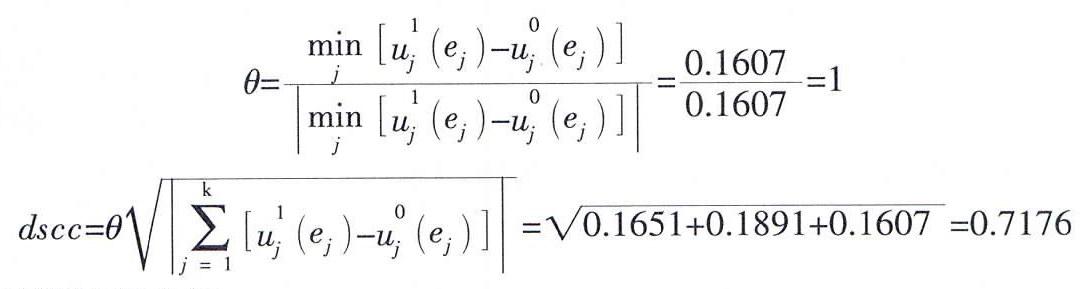
摘 要:文章分析了铁路燃油供应链业务环节和运行状况,建立了铁路供应链协同度的评价指标体系和评价模型,采用层次分析法、决策结果集成算法对协同度模型进行求解。采用铁路燃油供应链实际数据,对模型和算法进行了实证分析,验证了模型和算法的可行性。
关键词:供应链协同度;层次分析法;集成算法;复杂系统协同度模型
中图分类号:F530 文献标识码:A
Abstract: This paper analyzes the railway fuel supply chain business process and operation conditions,and establishes the railway supply chain coordination degree evaluation index system and evaluation model, using the analytic hierarchy process and the decision result integration algorithm to solve the coordination degree model. By using the actual data of railway fuel supply chain, the model and algorithm are analyzed, and the feasibility of the model and algorithm is verified.
Key words: degree of supply chain collaboration; analytic hierarchy process; integration algorithm; complex system coordination model
0 引 言
铁路燃油供应链通过多年实践,形成了以物资总公司为核心的“统一渠道、统一计划、统一衔接、统一结算、统一核销”的运作模式。铁路燃油供应链的主要业务可以分为需求管理、采购管理、资源配置、供应组织与调度、发运管理、机务段验收入库管理、库存管理、发放管理以及资金结算等几大过程。
铁路燃油供应链各个业务间协同程度决定了供应链的成效。本文通过对铁路燃油供应链业务环节和运行状况分析,定义了铁路燃油供应链协同度(Degree of Supply Chain Collaboration,DSCC),建立了铁路供应链协同度的评价指标体系和评价模型,提出了采用层次分析法、决策结果集成算法对协同度模型进行求解的方法,并采用实际数据进行了验证分析[1]。
1 铁路燃油供应链协同度评价的建模与求解
1.1 铁路燃油供应链协同度的定义
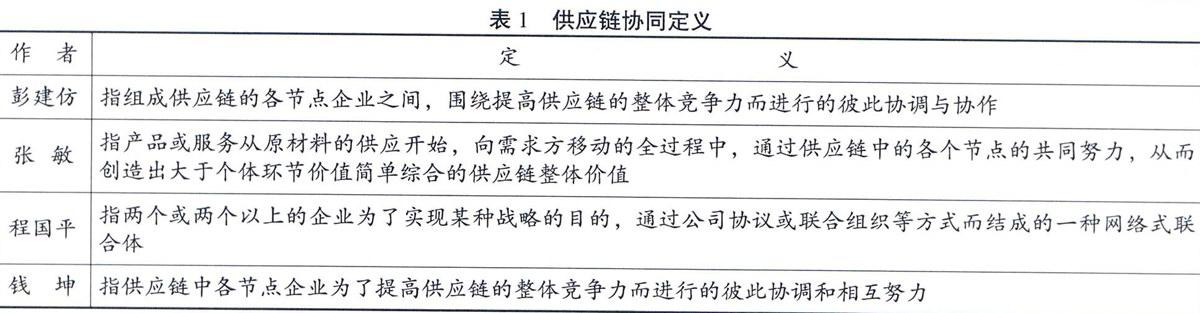
D. Thomas和P. Griffi指出供应链参与企业之间应协同发展,从而能够更快更好地满足用户的需求,维持供应链参与企业在其相应市场内的竞争力和供应链整体的盈利能力。国内一些作者对供应链协同的定义如表1所示,这些定义侧重点各有不同,大都围绕供应链的整体价值和竞争力[1]。……