FeSO4应用于SBBF强化除磷
2016-07-11季斌朱雷陈威王健杨开
季斌 朱雷 陈威 王健 杨开
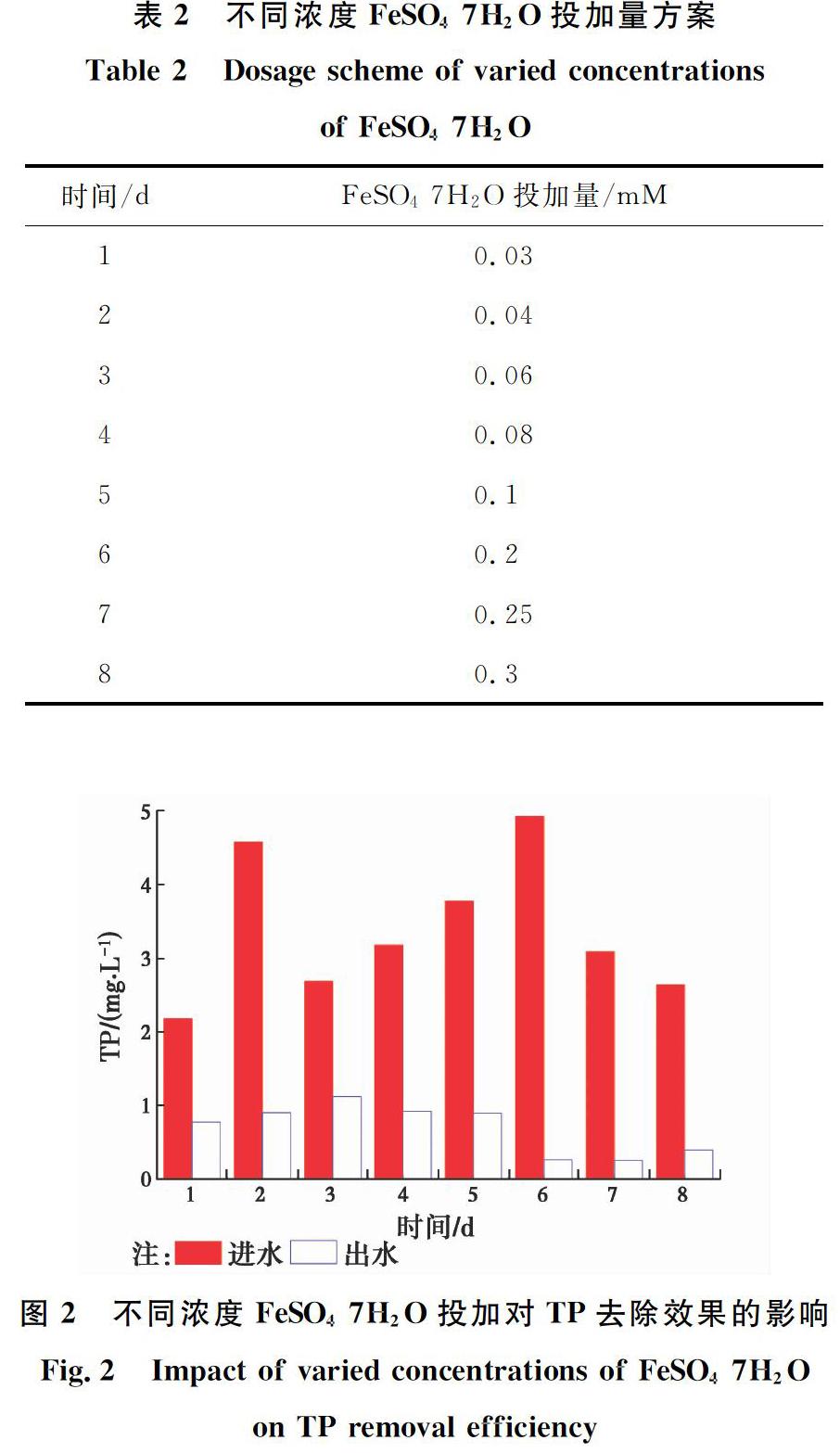
摘要:序批式生物膜滤池(SBBF)是基于序批式生物膜法的改进污水处理新型工艺,针对SBBF处理城市污水的除磷的效果较差的弊端,通过直接投加FeSO4 7H2O到反应体系实现协同除磷,使得该工艺能够较好地应用于污水脱氮除磷。Fe(Ⅱ)的投加量从0.03~0.3 mM进行协同除磷试验,结果表明0.2 mM的Fe(Ⅱ)投加可为有效投加量。进一步将0.2 mM的Fe(Ⅱ)在进水阶段后投加到反应体系,稳定运行1个月,发现出水的TP稳定保持在0.5 mg/L以下,而COD和氮的去除基本不受影响。COD、NH+4-N、TN和TP的平均去除率分别为84.9%、83.2%、46.3%和88.2%。反应器出水的各项指标均稳定达到《城镇污水处理厂污染物排放标准》(GB 18918—2002)的一级A排放标准。
关键词:序批式生物膜滤池;协同除磷;混凝剂;城市污水
中图分类号:X703
文献标志码:A 文章编号:1674-4764(2016)03-0053-05
Abstract: A sequencing batch biofilm filter was a novel technology based on SBBR. As the sequencing batch biofilm filter was not efficient for phosphorus removal in the treatment of domestic sewage, FeSO4 7H2O was added to the SBBF in order to achieve chemical aided biological phosphorus removal, which was meaningful for nitrogen and phosphorus removal in wastewater treatment. When concentrations of Fe(Ⅱ)varied from 0.03 to 0.3 mM, it indicated that 0.2 mM Fe(Ⅱ) might be a proper dosage. When 0.2 mM Fe(Ⅱ)was added to the bioreactor at the end of influent phase for one month, the effluent TP remained stable at below 0.5 mg/L, and the removal of COD and nitrogen were not affected. The average removal efficiencies of COD、NH+4-N、TN and TP were 84.9%、83.2%、46.3% and 88.2%, respectively. The parameters of reactor effluent were stable to achieve the A standard “discharge standard of pollutants for municipal wastewater treatment plant (GB 18918—2002)”.
Keywords:sequencing batch biofilm filter; chemical aided biological phosphorus removal; coagulant; domestic sewage
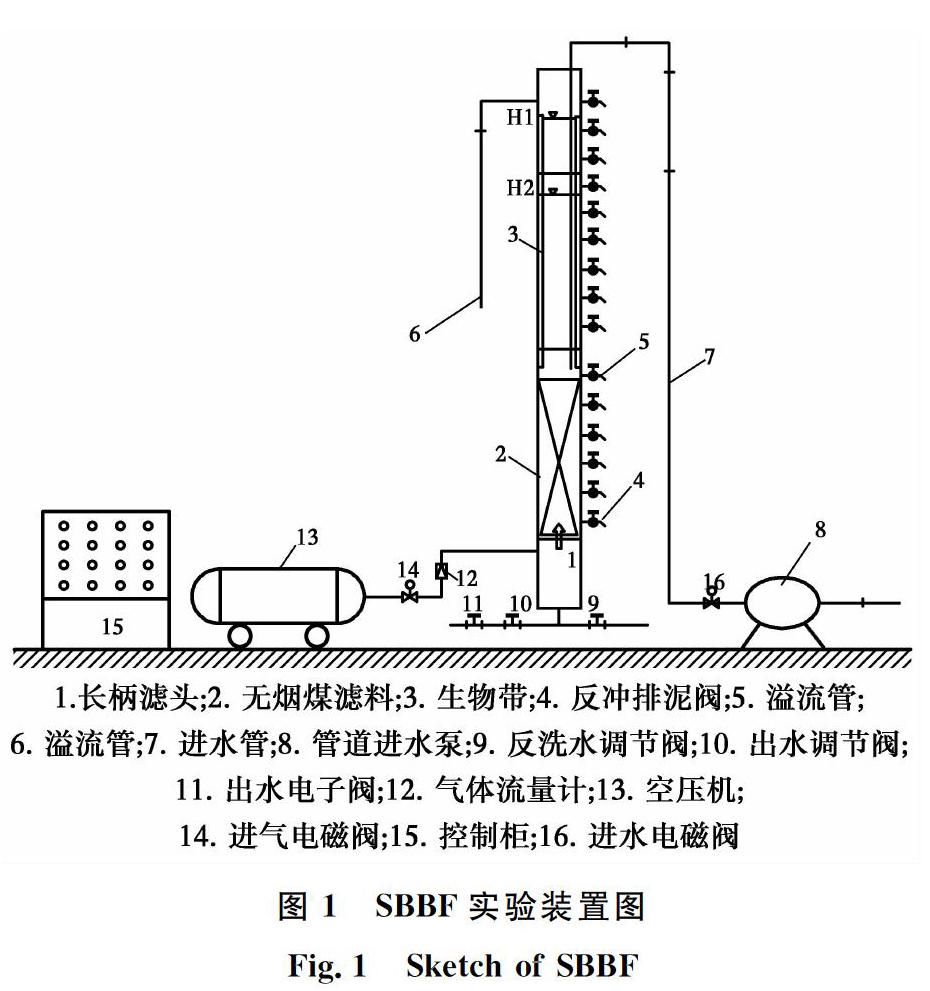
序批式生物膜滤池(sequencing batch biofilm filter)是序批式生物膜法和生物滤池的有效结合,通过接触氧化和过滤作用从而达到去除污染物的目的[1-2]。之前的研究表明[3],序批式生物膜滤池通过同步硝化反硝化作用脱氮的效果较好, 由于大量的异养微生物的生长代谢可获得较高的有机物的去除率。但是SBBF通过反硝化除磷作用和反冲洗过程排泥而达到除磷的效果,出水的TP的浓度基本上达不到《城镇污水处理厂污染物排放标准》(GB 18918—2002)中一级A标准的要求[1-2, 4]。膜法除磷主要是依靠生物膜的脱落,然后排放到反应系统外来达到除磷目的[5],较长的SRT也不利于生物除磷。
化学除磷是利用化学药剂将水中溶解性的磷变为非溶解性的磷,而化学协同除磷是将化学混凝剂直接投加在生物反应池中[6],使溶解性有机磷由水中析出而沉淀或过滤分离[7],是一种简单有效的强化除磷的方法。……