地震序列下拉索模数伸缩缝联间限位分析
2016-07-11王建国袁万城高康党新志
王建国 袁万城 高康 党新志
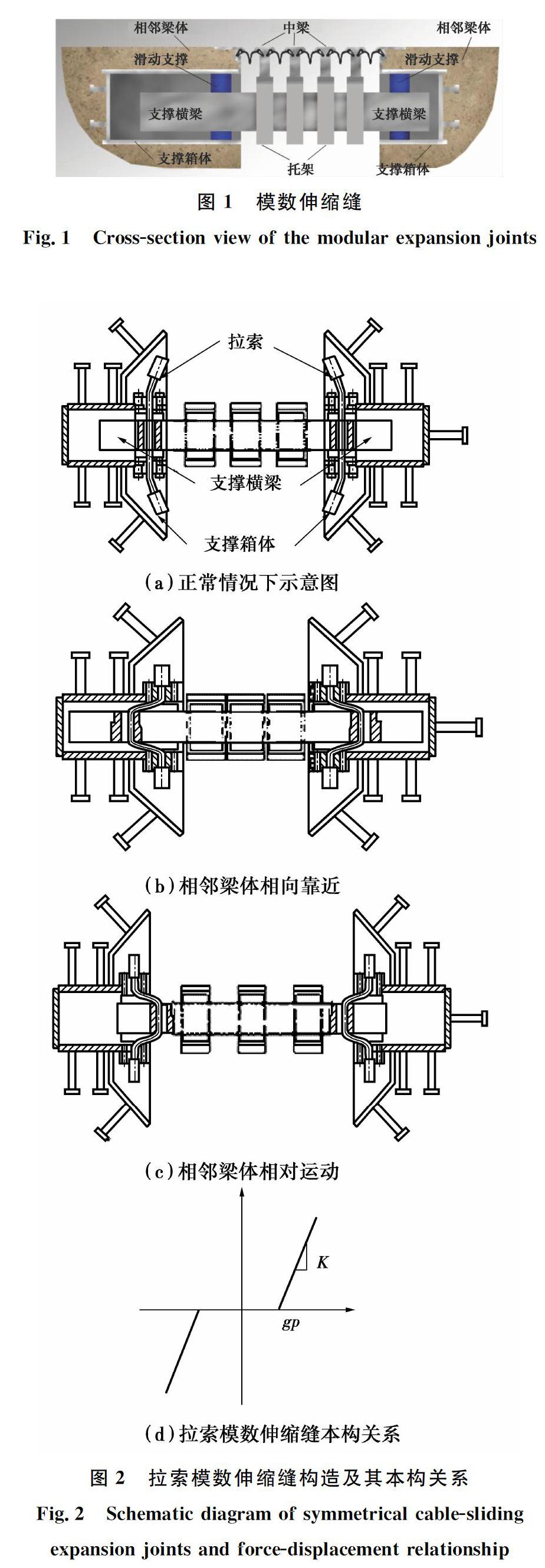
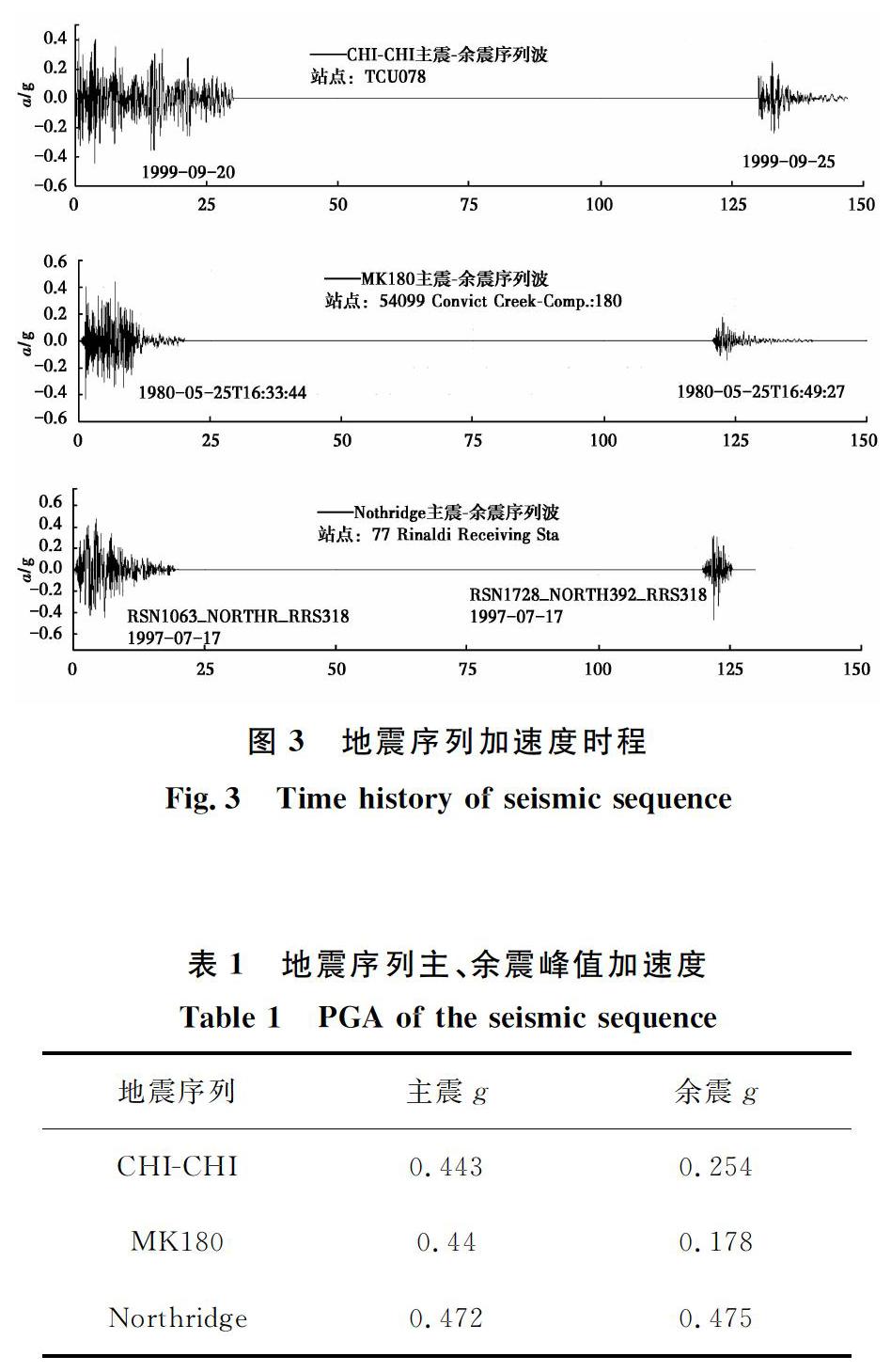
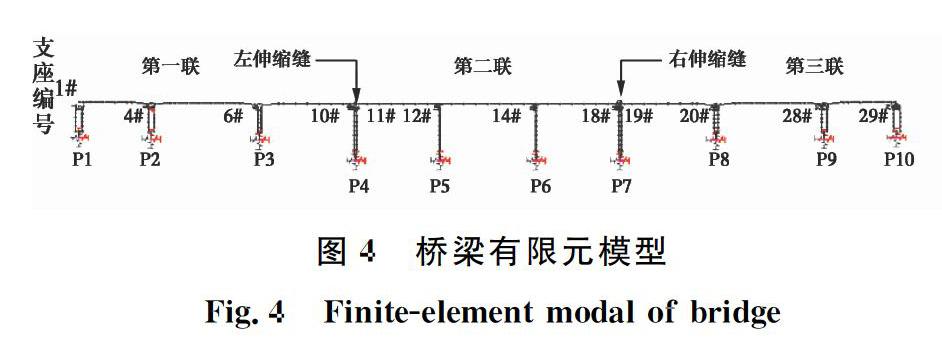
摘要:主震作用下桥梁结构可能已发生联间相对变位,强余震作用将进一步加剧桥梁上部结构的碰撞或落梁灾害,以某连续梁桥为例进行地震序列分析,并对比有无拉索模数伸缩缝两种情况下的地震响应,结果表明:拉索模数伸缩缝能够有效限制主余震各阶段联间相对位移,对避免主震后产生联间残余位移的桥梁结构在强余震作用下发生碰撞、落梁具有重要意义;同时,拉索模数伸缩缝使桥梁各联间协同作用,从而墩梁相对位移得到相应的控制,桥墩受力亦有所改善。
关键词:地震序列;拉索模数伸缩缝;联间位移
中图分类号:U442.5;TU375
文献标志码:A 文章编号:1674-4764(2016)03-0035-06
Abstract:Residual displacement between girders would have occurred after the main shock. And it would get further destroy (like pounding and unseating) with the excitation of aftershocks. Conclusions draw from the comparation on the response of continuous bridge with or without Cable-sliding expansion joints (CMEJs) under the excitation of seismic sequence. Relative displacement between girders gets effective restrained during the whole seismic process with the CMEJs which get great meaning for avoiding pounding and unseating. With the contribution of the CMEJs, all the girders work together causing the relative displacement between girder and the pile decreased. And the pier force also gets optimized.
Keywords:Seismic sequence; Cable-sliding modular expansion joints (CMEJs); relative displacement between girders
地震是一种时间和空间上具有丛集效应的不确定性作用,主震发生后往往伴随着余震的发生,通常情况下主震震级越高其余震震级亦越高,对结构的破坏作用亦越大。余震作用下的桥梁可能为主震后带有损伤和残余位移的结构,其发生将进一步加剧桥梁结构的震害程度,甚至成为导致结构破坏的决定性因素[1]。
Raghunandan等 [2]、Amadio等[3]、Lee等[4]、Hatzigeorgiou等[5]分析地震序列下结构的响应,发现考虑主震影响的余震作用的响应明显大于不考虑主震时的情况。在过去的震害记录中,不乏余震中毁坏的工程结构:1976年唐山大地震中,滦河大桥在7.8级的主震中并未倒塌,而是在15 h后7.1级的强余震中桥墩折断、桥梁落架、倒塌;1952年,Bakersfield城毁于主震发生1个月后5.8级的强余震中[6-7]。
桥梁上部结构的破坏形式主要包括落梁和碰撞[7],强余震作用在主震后存在残余位移的桥梁结构上,其上部结构进一步破坏的可能性显著增加。……