大众的诗歌
2016-05-14黄湘淇
黄湘淇
Poetry for the Masses?
小时候,可能每个人都被逼着去背诵唐诗宋词,可那些朗朗上口的文字到底有什么用呢?也许,我们对诗词的疏离就是对生活本真的漠然。喜怒哀乐,风花雪月,朗朗乾坤,天地玄黄……如若没有诗歌,我们该怎么抒发那腔至真至深、难以释怀的情感呢?
“Alright class, lets all say these lines again. Look at the words and let the sounds come out clearly. I want to hear each syllable1. No mumbling2.”
The teachers eyes roved the classroom looking at the bowed heads, busy hands, slow moving pencils, or palms and fists cradling heads, muffling ears in thought and confusion.3 The droning voices of eight and nine year olds repeated the third stanza again.4 It was a long poem, the longest we had ever tried to memorize. I was worried that if called on to do a solo oral recitation I might forget some words,5 and the class would laugh. Making a mistake was not something to be taken lightly6 in Miss Terrells 4th grade class. We all were competing for gold stars placed alongside our names on the wall chart every Friday. We were in a constant race to see who was tops7 in the class. All of us were from proud families.
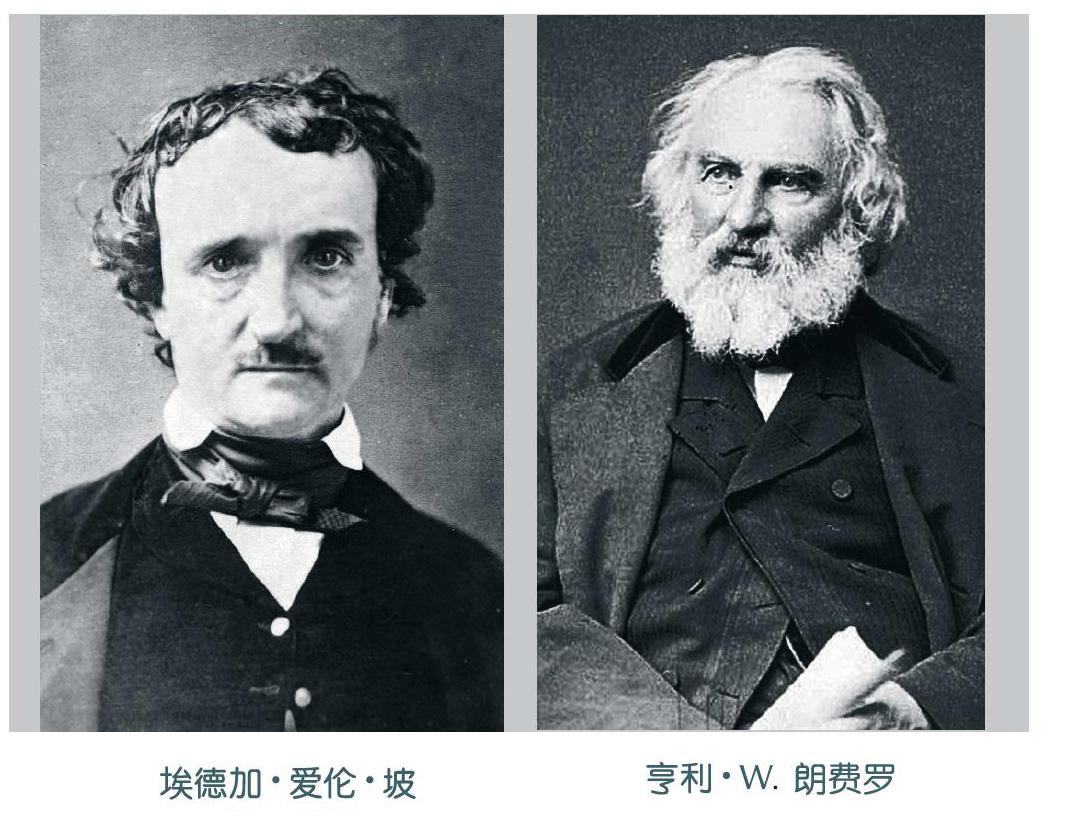
Today, most Chinese adults can recite poems from their early education. Li Bai, Du Fu, Chairman Mao, and others all have made an impact on their memories of educational experiences. I do not know about many Americans love for poetry, or memory skills from classroom drills8. I do know that of the three different Junior high schools I attended, only at one of these did we deal with poetry in our English classes. My foundation for poetry came much earlier in Elementary school9. This was when I began to write rhyming verses and love sonnets.10 Getting recognition11 was never a goal, writing and reciting were things I simply loved doing. To this day I also remember a few classic poems written by famous Western poets. Works by Henry W. Longfellow, Robert Frost, Ralph W. Emerson, and Edgar Allan Poe were among my first writing role-models.12
These poets wrote ballads13 that told stories. I was intrigued that it was easy to tell a story through amusing rhymes coupled with reason, using patterned meter.14 “Childrens Hour” was the long poem that would stay with me through rough times15 well over 50 years ago.
Years later, I discovered James Weldon Johnson, Countee Cullen, Langston Hughes, and Gwendolyn Brooks,16 all Black American poets. Their words struck me deeper because they voiced concerns about the presence of racism which I increasingly faced.17 I was amazed that these writers had the courage to express outrage and unhappiness regarding this deep and apparently permanent social plight.18 Finally, I no longer felt that I lived in isolation, there was a much larger community of brethren and sisters who long ago articulated discontent.19 The questions posed by Langston Hughes, in “A Raisin in the Sun”, touched my core as it had so many others.20
“What happens to a dream deferred21?
Does it dry up
Like a raisin in the sun?
Or fester like a sore—22
And then run?
Does it stink like rotten meat?23
Or crust and sugar over—24
like a syrupy25 sweet?
Maybe it just sags26
like a heavy load.
Or does it explode?”
This poem became the title of a classic American play and later television drama, “A Raisin in the Sun”. Its powerful ending marked, or predicted, the direction of social consciousness in America. I was still drawn to poems and ballads that told stories like Poes “The Raven.”27 In this poem a dark bird called a raven, talks and terrifies an old man who sits musing28 late at night. The man questions the bird about many things, and the responses of the black feathered creature seem fitting.29
Later, in my youth I discovered a long poem written by Gwendolyn Brooks that focused on society and the critical role of teachers. “The Life of Lincoln West” is touching and polemic.30 In this poem the drama of racial meanness, and petty hatred, is juxtaposed against youthful innocence in a way making it impossible to ignore human insensitivity.31
I have found literature, whether national or international, to be fascinating because of universal themes. The most basic themes of love and fear connect us all. However, life is not only about survival and relationships, but also learning and becoming more aware. Chinese poet, Wang Zhihuan, penned a poem with a universal theme that transcends nationality, creed, or faith.32
“The setting sun
Enters the yellow river
Viewing one thousand miles
Going higher to see farther.”33
Teachers play a role helping us see that the world is much larger than our individual selves, and often guide us to find writers whose words open our eyes, minds, and hearts. “Diamonds in the Rough”, was penned several years ago as my attempt to encourage students to recognize that they are special, and over time they can achieve their dreams through persistence and hard work.34 My goal is to inspire students to dedicate themselves toward helping humanity.
“Are you that diamond in the rough, waiting for your moment to shine,
rare talents and integrity35 your gifts to share with all mankind?....
Yours is a lasting brilliance when you come of age,
youll master every challenge as you take your stage...”
1. syllable: 音節。
2. mumbling: 含糊话,喃喃。
3. 老师环顾教室,看到那些低垂的脑袋,忙碌的双手,缓缓书写的铅笔,或者在沉思和困惑中撑着脑袋或捂着耳朵的手掌和拳头。rove: (眼睛)扫视, 环视;bowed: 低垂的;palm: 手掌;cradle: 这里指支着脑袋; muffle: 捂着,蒙住。
4. droning: 低沉单调的;stanza: 诗的一节。
5. call on sb. to do sth.: 要求某人去做某事;solo oral recitation: 单人口头背诵。
6. take lightly: 掉以轻心,忽视。
7. tops: 非常好的,第一流的。
8. classroom drill: 课堂训练。
9. Elementary school: 小学。
10. rhyming: 押韵的;verse: 诗歌;sonnet: 十四行诗。
11. recognition: 认可。
12. Henry W. Longfellow: 亨利·W. 朗费罗(1807—1882),19世纪美国最伟大的浪漫主义诗人之一,代表作有《人生礼赞》、《海华沙之歌》等;Robert Frost: 罗伯特·弗罗斯特(1874—1963),20世纪最受欢迎的美国诗人之一,代表作品有《未选择的路》、《雪夜林边小驻》等;Ralph W. Emerson: 拉尔夫·W. 爱默生(1803—1882),美国思想家、文学家、诗人,代表作品有《论自然》等;Edgar Allan Poe: 埃德加·爱伦·坡(1809—1849),美国诗人、小说家,代表诗作有《乌鸦》等;role-model: 典范,榜样。
13. ballad: 民谣,叙事诗歌。
14. intrigued: 被迷住了的,好奇的;rhyme: 押韵;couple with: 与……相结合;meter: 韵律。
15. rough time: 艰难时期。
16. James Weldon Johnson: 詹姆斯·韦尔登·约翰逊(1871—1938),美国诗人、作家,代表诗集为《上帝的长号》; Countee Cullen: 康梯·卡伦(1903—1946),美国诗人、作家及学者,作品主要关注美国黑人同胞们的生活,代表作有诗集《肤色》、《古铜色的太阳》等;Langston Hughes: 兰斯顿·休斯(1902—1967),美国诗人、小说家和社会运动家,被誉为“黑人民族的桂冠诗人”,代表作有《黑人谈河流》;Gwendolyn Brooks: 格温多林·布鲁克斯(1917—2000),美国诗人、教师,首个获得普利策诗歌奖的非裔作家,获奖诗集为《安妮·艾伦》。
