文化线路视野下东北地区工业遗产保护与利用
2016-05-14吕飞康雯罗晶晶
吕飞 康雯 罗晶晶
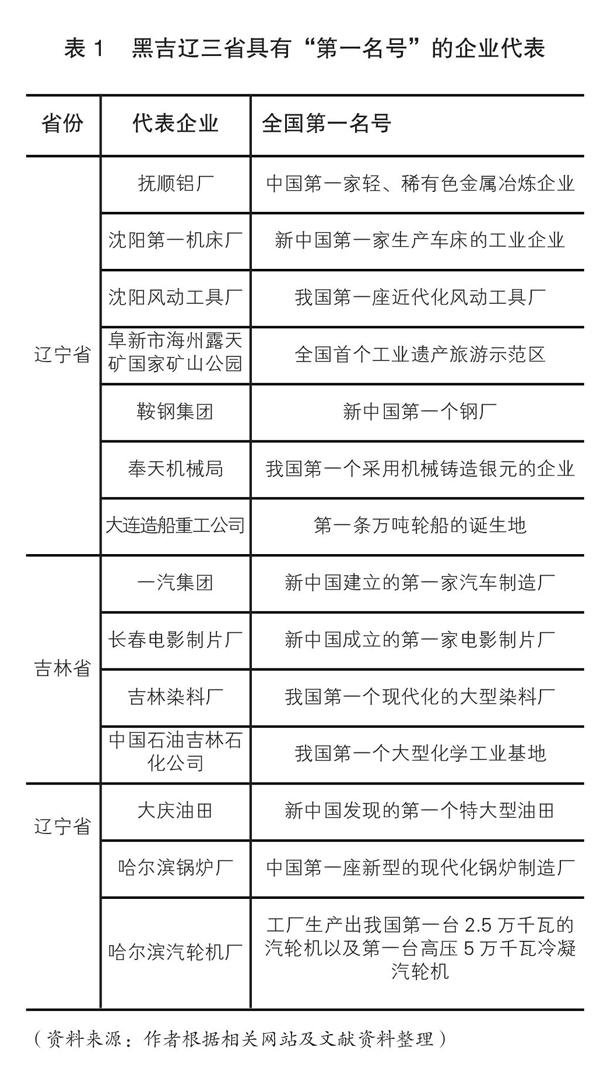
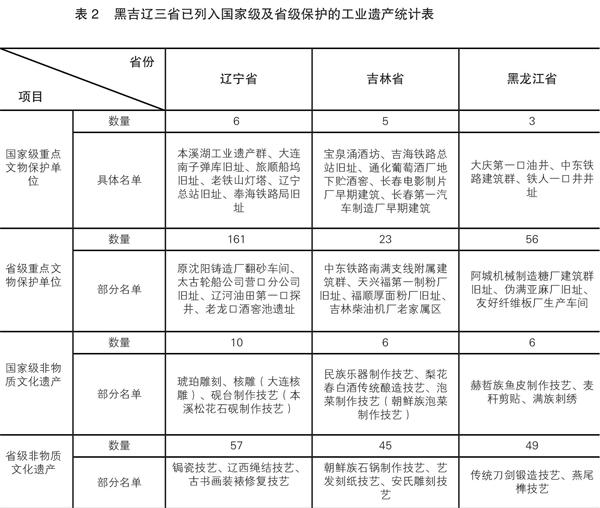
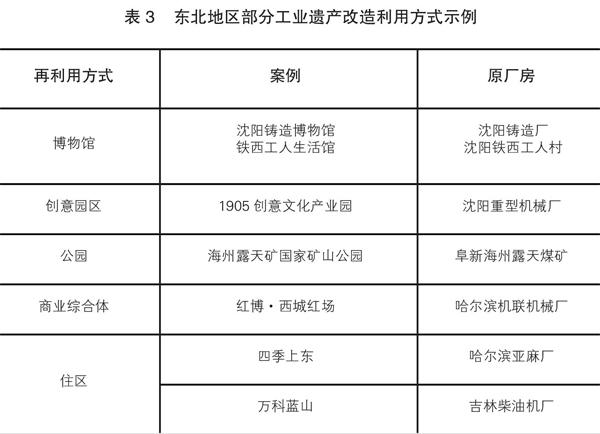
摘 要:东北地区作为全国重要的工业基地,工业遗产资源丰富,价值突出。然而在盘活存量工业用地的发展态势下,如何延续老工业基地的历史文脉,对工业遗产进行有效的保护与利用,是东北地区转型发展所面临的一个重要问题。从文化线路的视角出发,寻求东北地区工业遗产保护与利用的可行之路。通过提取文化线路的思想内涵,结合东北地区工业遗产的特征及保护利用现状,从区域视野、整体保护、主题强化、动态延续四个方面探讨文化线路思想与东北地区工业遗产保护的关联构建,尝试建立多级工业文化线路以及互联互通的遗产保护利用体系,并且从线路构建、保护利用机制、政策法规、城市文化经营等几个方面,提出东北地区工业遗产整体性保护与利用的具体实施策略。
关键词:文化线路;工业遗产;东北地区;保护与利用
Abstract:Agricultural Transfer Population which are jointly formed by three structural forces including market-oriented reform, trend of urbanization and institutional arrangement of rural-urban dual structure always exist in a nonconformable state of marginalization, low integration and even alienation in the cities. Under the background of new urbanization, the future trend of evolution of this group has got great concern, as it is related to whether Chinese society can move from polarization-isolation-conflict in the accelerating period of urbanization towards the integration and reintegration in the completion stage of urbanization and construct a social structure with the main body of middle class. Combined with unique way and model of Chinese urbanization, the citizenization of agricultural transfer population surely becomes the basic premise and necessary step of social reintegration; in the process, the government shall be the primary liability subject, while public policy with a core idea of sharing and common benefit is the key mechanism to promote citizenization and reintegration.
Key words:agricultural transfer population ; citizenization ; public policy ; social reintegration
中图分类号:C912 文献标识码:A
文章编号:1674-4144(2016)-08-58(7)
自2003年实施“振兴东北地区等老工业基地战略”以来,东北地区的发展迎来了新的局面,但许多工业企业在“退城进郊”过程中所遗留下的旧厂房、旧仓库并未得到充分重视,工业遗产保护面临危机。近几年,国家陆续下发了《全国老工业基地调整改造规划(2013-2022年)》(2013)、《国务院办公厅关于推进城区老工业区搬迁改造的指导意见》(2014) 、《东北城区老工业区搬迁改造专项实施办法》(2015)等文件,东北老工业区搬迁改造将成为东北地区城市更新建设的一项重要内容。……