基于BP神经网络的肝癌放疗致乙型肝炎病毒再激活分类预测模型
2016-05-03吴冠朋王帅黄伟刘同海尹勇刘毅慧
吴冠朋 王帅 黄伟 刘同海 尹勇 刘毅慧
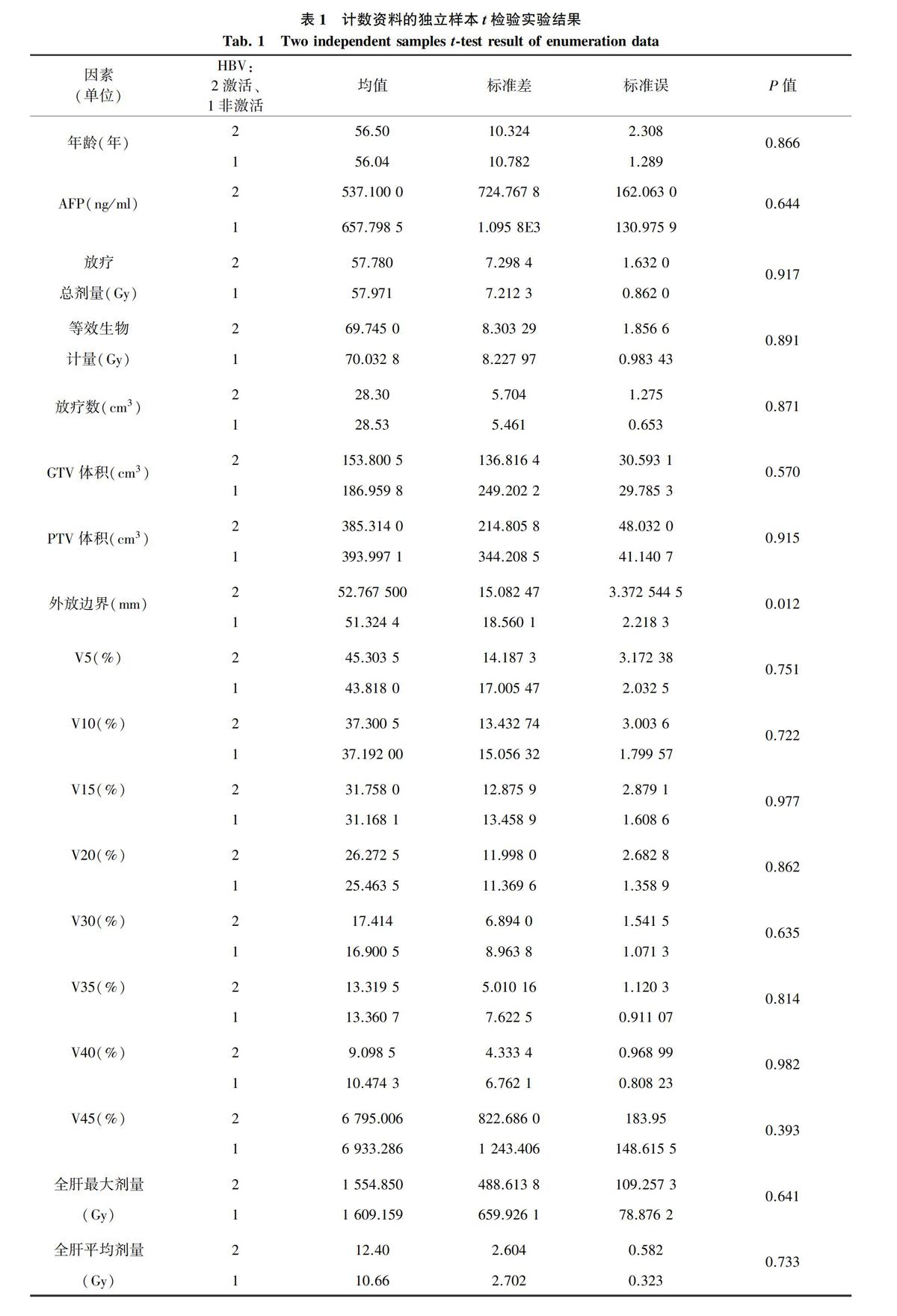
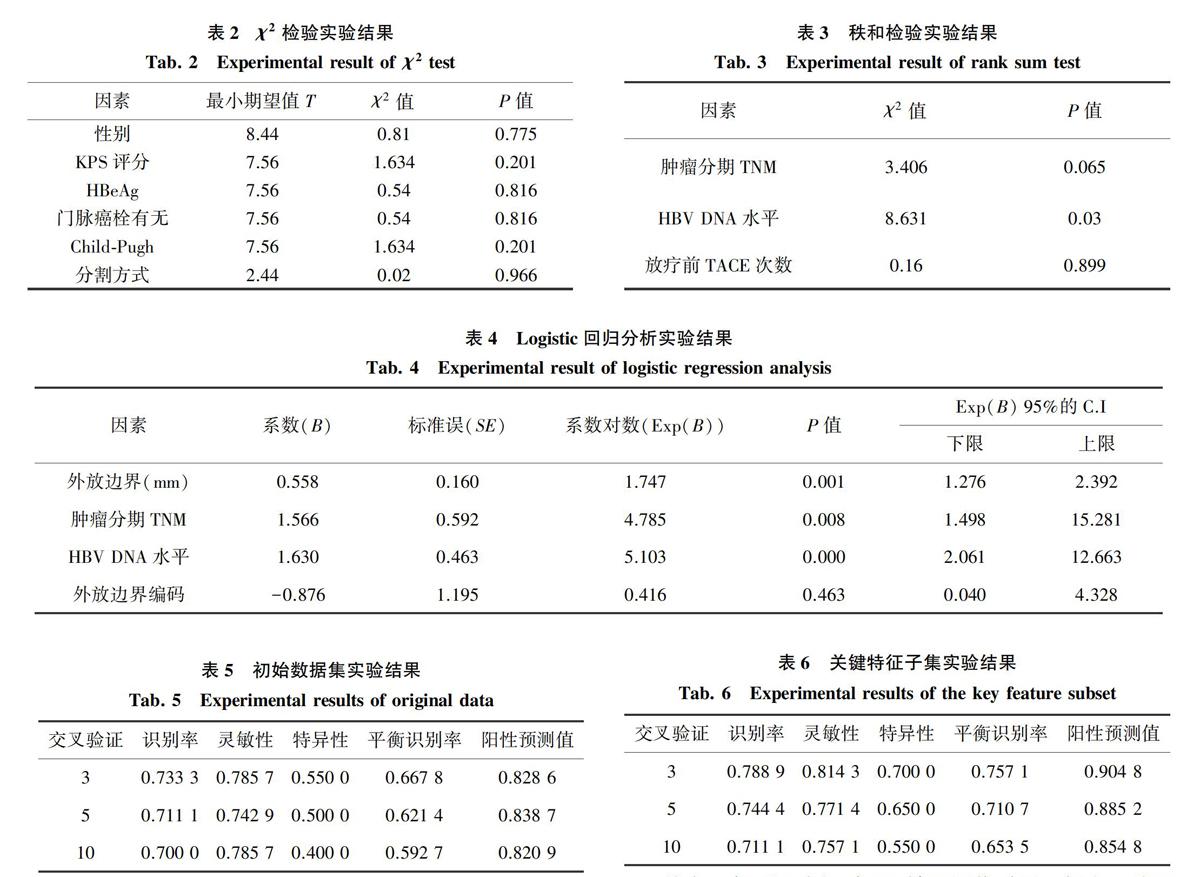
摘 要 研究针对原发性肝癌(primary liver carcinoma, PLC)患者精确放疗后乙型肝炎病毒(Hepatitis B virus, HBV)再激活分类预测模型,采用logistic提取关键特征子集,发现外放边界、肿瘤分期TNM和HBV DNA水平是HBV再激活的危险因素(P<0.05)。建立BP神经网络分类预测模型,对原发性肝癌初始数据集和关键特征子集进行HBV再激活分类预测。实验结果表明,BP网络对HBV再激活有着良好的分类预测性能,分类预测准确性从73.33%提高到78.89%,关键特征子集分类预测准确性高于初始数据集分类预测准确性,表明了特征提取后的关键特征子集具有优秀的类别区分性。
关键词 PLC ;HBV再激活;特征提取;BP神经网络
中图分类号 TP391 文献标识码 A
Classification prognosis model of hepatitis B virus reactivation after radiotherapy in patients with primary liver carcinoma based on BP neural network
Wu Guanpeng1, Wang shuai1, Liu Tonghai2, Yin Yong2, Huang Wei2, Liu Yi hui1
(1 School of Information, Qilu University of Technology, Jinan 250353,China;2 Department of Radiation Oncology, Shandong Cancer Hospital, Jinan 250117, China)
Abstract This study aims at the classification prognosis model of hepatitis B virus (HBV) reactivation after precise radiotherapy(RT) in patients with primary liver carcinoma. Using logistic regression methods to extract the key feature subset. Finding the outer margin of RT, TNM of tumor stage and HBV DNA level were the risk factors(P<0.05) of HBV reactivation. Build classification prognosis model of BP neural network, classification prognosis of HBV reactivation for original data subset and the key feature subset in patients with primary liver carcinoma. Experimental results show that BP neural network has a good classification prognosis performance of HBV reactivation, the classification prognosis accuracy increased from 73.33% to 78.89%.The classification prognosis accuracy of the key feature subset is superior to original data subset, and the key feature subset has excellent classification of distinction after feature extraction.
Keywords Primary liver carcinoma; HBV reactivation; feature extraction; BP neural network
0 引 言
原发性肝癌(primary liver carcinoma, PLC)患者精确放疗后可以致使感染乙型肝炎病毒(Hepatitis B virus, HBV)发生再激活,HBV[1]再激活可达20-25%左右,这类患者常伴有预后不良现象,死亡率达25%。找出HBV再激活的危险因素和建立HBV再激活分类预测模型对感染HBV的原发性肝癌患者的抗肿瘤治疗具有重要临床意义。韩国学者Kim等[2]在2007年对32例经三维适形放疗(three-dimensional conformal radiotherapy, 3D-CRT)的原发性肝癌患者进行研究,推断HBV DNA水平可
能是引起HBV再激活的危险因素。无独有偶,吴晓安等[3-4]也相继推断HBV再激活患者死亡原因与HBV DNA复制活动密切相关。黄伟等[5]则于2013年通过对69例精确放疗的原发性肝癌患者采用logistic法回归分析各项指标对HBV再激活的影响,发现基线血清HBV DNA水平是HBV再激活的独立危险因素。该研究组随后将精确放疗剂量学参数引入研究,又相应发现一些剂量学参数也是引起HBV再激活的高危因素[6]。综上所述可知,原发性肝癌患者精确放疗后致HBV再激活的危险因素有待进一步研究,相关预测模型也随之步入建立预期阶段。
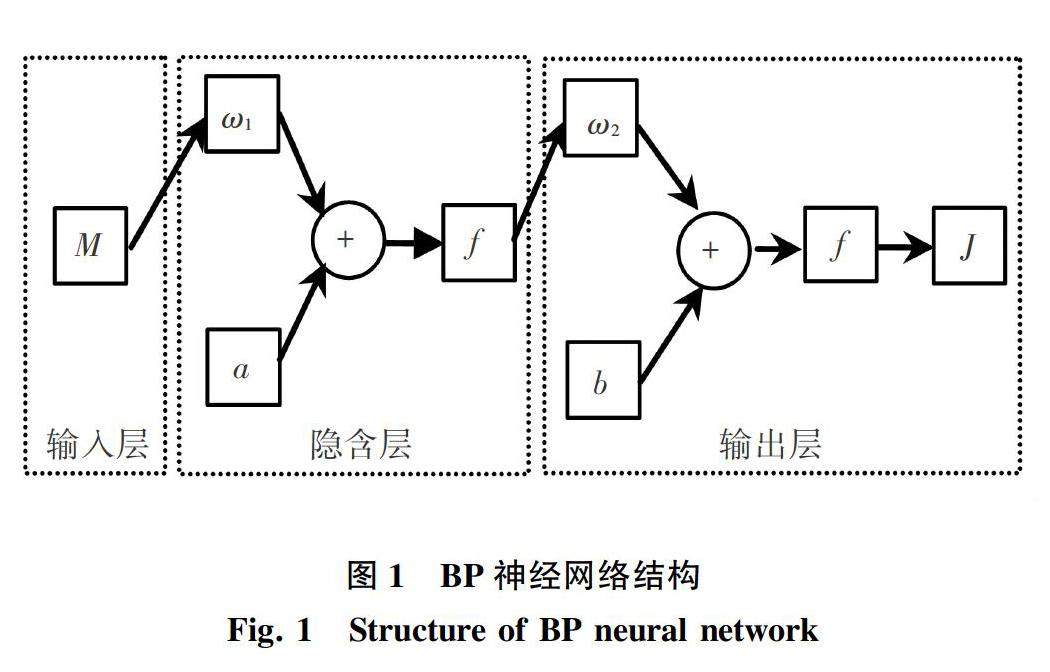
迄至目前,特征提取已广泛应用于生物医学领域的复杂数据分析,诸如即已应用在质谱数据分析方面[7-8]。与此同时,BP神经网络也已在各大领域范围获得了全面推广应用,例如现已普遍应用在胶囊异物缺陷识别[9],纸币面向识别 [10],车牌字符识别[11],肝脏31P磁共振波谱分析[12,13]和红细胞浓度无创检测[14]等多个热点研究方向中。……