基于鼠标行为的电子商务中用户异常行为检测
2016-03-22马磊
马磊
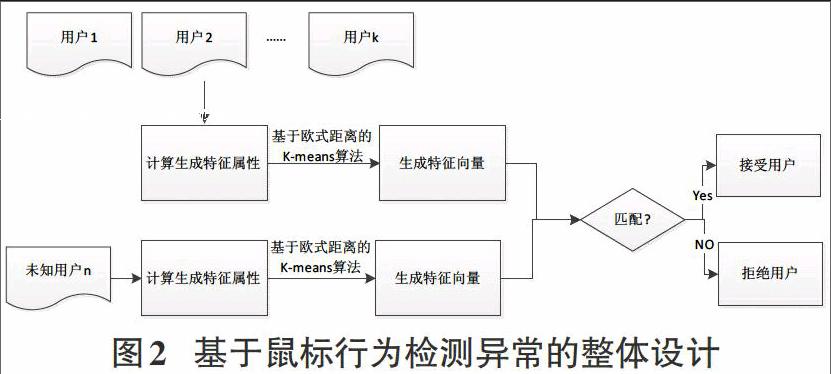
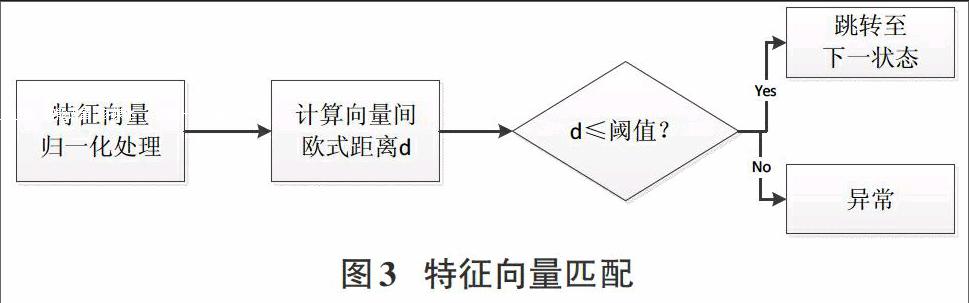
摘要:针对电子商务中用户身份易被窃取冒用这一问题,设计研究了利用鼠标输入行为特征进行身份识别的方法,通过采集网上购物过程中用户的鼠标行为数据,使用聚类算法进行鼠标行为模式的固化,通过比较鼠标行为特征向量间的距离进行用户行为合法性判断。方法应用在电子商务系统,误检率与漏检率均在可接受范围内,可作为电子商务中用户身份认证的一种新的辅助手段。
关键词:电子商务;鼠标行为;异常检测;身份认证;特征向量
中图分类号:TP393.08 文献标识码:A 文章编号:1009-3044(2016)02-0241-02
Abstract: The phenomenon of identity theft in e-commerce frequently happens, and credible problem has aroused wide public concern. In order to solve this problem, this paper discusses the method of identity authentication and anomaly detection by using the feature of mouse behavior. Mouse behavior data is collected during shopping and clustering algorithm is used to build the normal mouse behavior pattern. The distance between feature vectors is compared with the defined threshold to differentiate legal and illegal users. This method can be used as a new auxiliary method in user identity authentication in e-commerce, with low FAR and FRR.
Key words: e-commerce; mouse behavior; anomaly detection; identity authentication; feature vector
1 引言
随着互联网的发展,电子商务已经成为人们日常生活不可缺少的部分。然而由于网上交易和网络支付平台的迅速兴起,网络支付安全体系尚不健全,网络购物人数不断增加,各种消费欺诈、用户信息泄漏问题频出[1-2]。网络交易中用户的身份验证普遍采用数字证书的方法[3],但是数字证书使用的用户名、密码等信息易泄露,这种方法并不能很好地解决用户身份可信的问题。
本文研究了通过用户行为模式进行身份认证的方法,提出利用鼠标行为认证的方法,对电子商务中用户购物行为的安全性加以保障。在以往的案例中,对用户行为的建模研究多运用于个性化推荐等方面[4],旨在提升用户的网购体验。本文的方法以电子商务活动中用户的购物行为所产生的鼠标行为数据为研究对象,根据用户特有的鼠标行为进行抽象建模,固化合法用户的鼠标行为模式,进而通过模式匹配判断新的购物行为是否属于异常行为。……
