船载卫通站双电机偏置电流自适应设置方法
2015-10-22吴波涛徐智超胡新宁
吴波涛 徐智超 胡新宁
摘 要: 针对船载卫通天线[E]轴在大风浪情况下电机频繁换相的问题,提出了在不同海况下驱动器偏置电流值的自适应设置方法。结合船载设备复杂的海上作业环境,建立了伺服系统双电机驱动的动力学模型,详细分析了合成风力矩对伺服系统负载的影响及其与系统偏置电流设置对电机换相的关系。在此基础上,提出了偏置电流值的自适应设置方法,并在Matlab/Simulink环境中搭建仿真模型,研究了不同的偏置电流设置值对船载卫通站伺服系统动态性能的影响。
关键词: 偏置电流; 双电机模型; 自适应方法; 船载卫通站
中图分类号: TN828.5?34; TP23 文献标识码: A 文章编号: 1004?373X(2015)19?0102?04
Abstract: To solve the frequent commutation of E?axis motors of shipborne satellite communication antenna under the situation of large storm, an adaptive setting method of the drivers bias current under different sea conditions is proposed. In combination with the complex marine operation environment of the shipborne equipments, the dynamics model of dual?motor drive of servosystem was established. The influence of wind synthesis torque on servosystem load is analyzed, and the relation of wind synthesis torque and bias current setting to motor commutation is illustrated. Based on this, the adaptive bias current setting method is proposed. Simulation model was built in Matlab/Simulink, and the effects of different bias current settings on servosystem dynamic performance of shipborne satellite station are researched.
Keywords: bias current; dual?motor model; adaptive method; shipborne satellite communication station
0 引 言
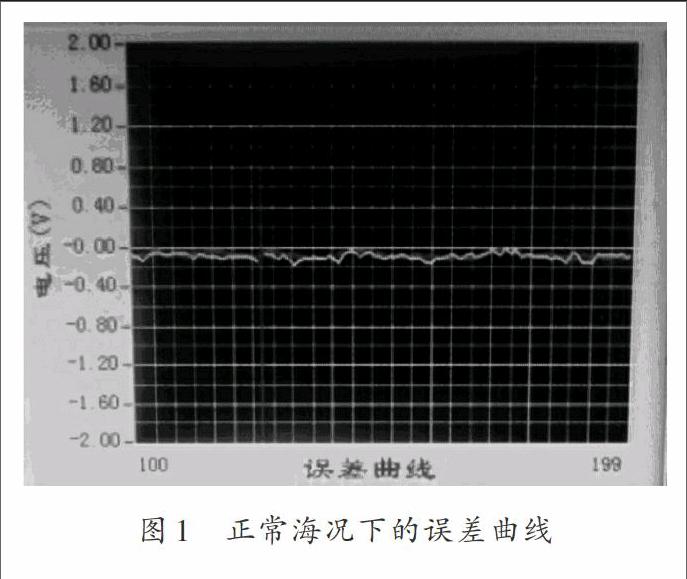
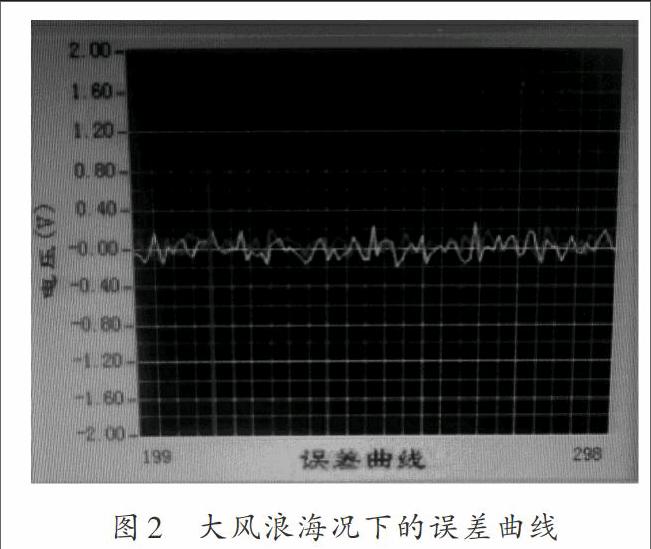
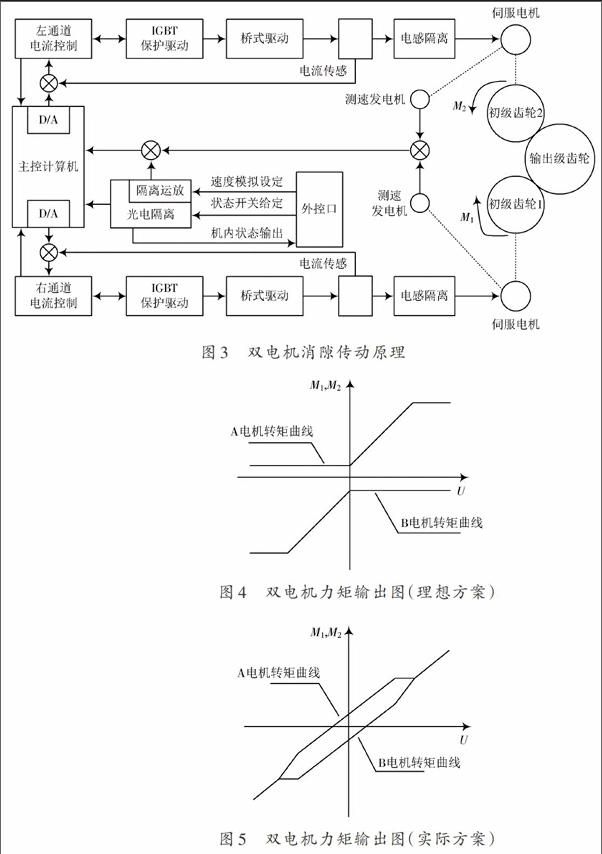
海上实施卫星通信作业影响因素多、执行难度大,其中海况优劣情况直接影响着作业执行难度,精度较高的天线伺服跟踪系统是确保稳定通信的关键[1?3]。为确保跟踪精度,驱动系统往往采用双电机消隙方式消除齿隙误差[4?6]。恶劣海况下,船体摇动加剧;同时大风作用于通信天线产生巨大的风负载,对驱动系统产生影响。图1,图2所示分别为天线跟踪卫星在较为良好的海况与恶劣海况下的误差曲线。对比图1,在大风浪情况下误差曲线抖动严重,表明系统跟踪精度明显下降;其中图2出现多处毛刺,说明大风浪情况下电机换向明显,传动齿轮摩擦加剧。对于双电机驱动系统,电机换向与偏置电流的设置有关,针对此问题,本文建立双电机消隙的伺服系统动力学模型,分析风力矩与偏置电流设置的关系,提出驱动功放消隙偏置电流值自适应设置方法,并利用Matlab/Simulink对系统进行仿真,分析不同偏置电流的设置值对系统动态性能的影响。……