油污土壤降解细菌的分离鉴定及其生物强化研究
2015-06-22曲丽娜贾洪柏王秋玉
曲丽娜 贾洪柏 王秋玉
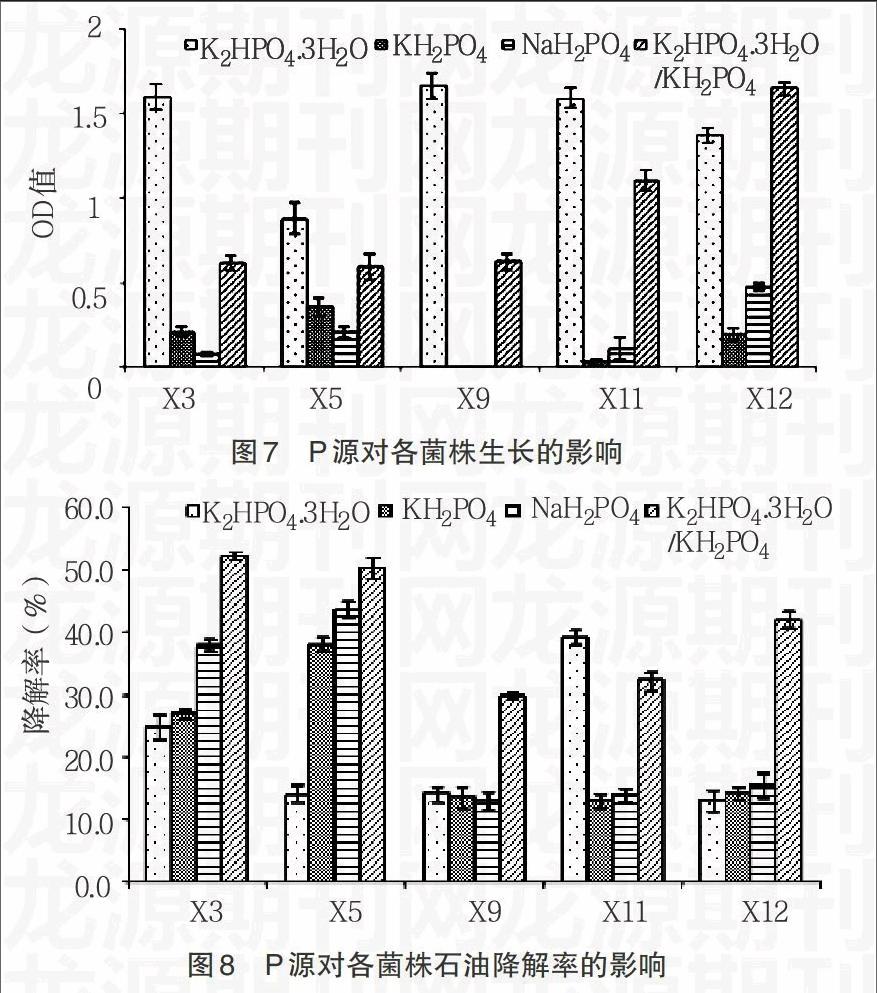
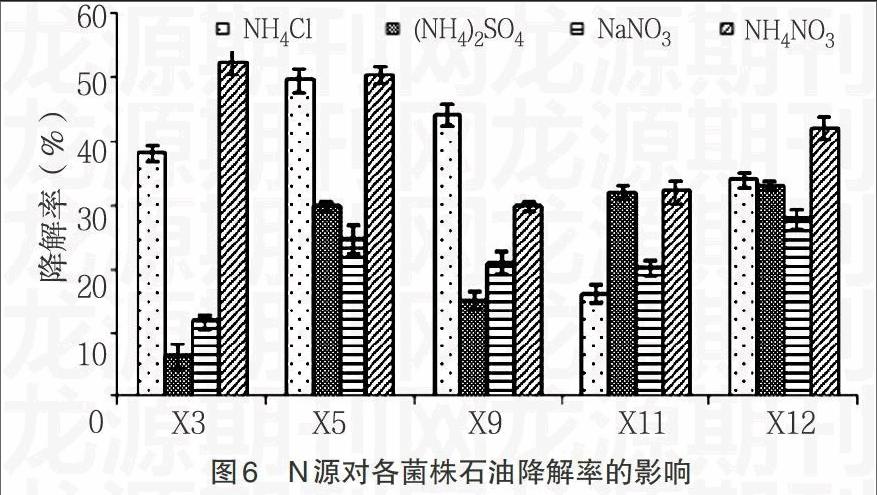
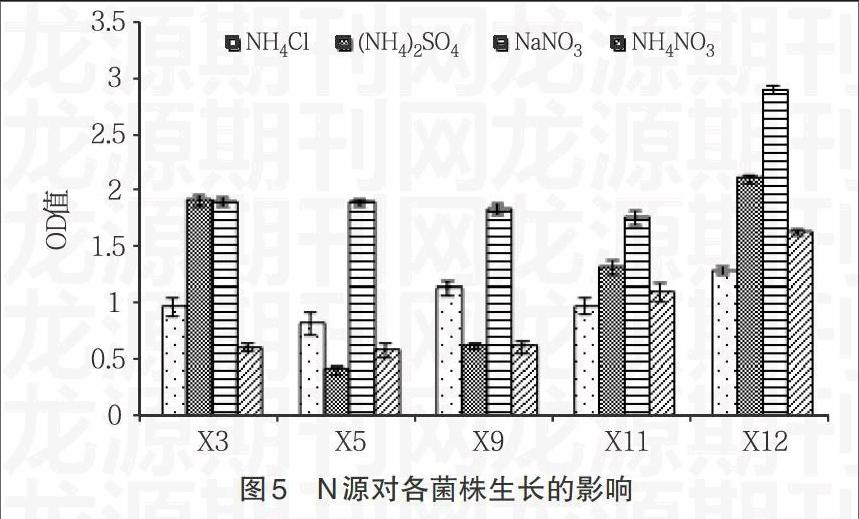
摘 要:从大庆油田长期石油污染的土壤中分离出高效降解石油烃的菌株5种,通过生理生化分析和16SrDNA全序列分析,初步确定为Pseudomonas sp.(假单胞菌属)、Pseudomonas aeruginosa(铜绿假单胞菌属)、Acinetobacter junii(琼氏不动杆菌属)、Microbacterium oxydans(微杆菌属)、Pseudomonas aeruginosa(铜绿假单胞菌属)。在摇瓶培养和土壤固体培养条件下的石油烃降解率都远远高出了对照组。同时通过改变初始盐浓度、N源和P源,初步探测了各菌株的最适生长和降解条件,为本土微生物强化的生物修复方法提供了新的菌种资源和信息,对进一步有效实现本土微生物强化具有重要意义。
关键词:生物强化;石油污染土壤;细菌;降解率
中图分类号 X172 文献标识码 A 文章编号 1007-7731(2015)11-17-05
Abstract:5 bacterial strains were isolated from the long-term petroleum-contaminated soil in the Daqing oilfield which can efficiently degrade petroleum hydrocarbons. Using physiological and biochemical assays,as well as 16S rRNA sequencing analysis,we identified these strains as Pseudomonas sp.,Pseudomonas aeruginosa,Acinetobacter junii,Microbacterium oxydans,and Pseudomonas aeruginosa.Under both liquid and solid(i.e.soil)culture conditions,these bacterial strains showed much higher petroleum hydrocarbon degrading rates than the control strain. By modulating the concentration of initial salt,N and P in the medium,we explored the optimal growth and degradation conditions of the bacterial strains. This study provides new bacterial resources and information for the autochthonous bioaugmentation of crude oil contaminated soil.
Key words:Bioaugmentation;Oil-contaminated soil;Bacteria;Degradation rate
“Autochthonous bioaugmentation”(本土生物强化)技术是由日本科学家Ueno Akio等于2007年首次提出的,主要指从石油污染的土壤中分离出具有石油降解能力的本土微生物,将其富集后重新投入到石油污染土壤中进行生物强化试验的技术[1]。Ueno从生物刺激试验土壤中分离出有高效降解能力的菌株J,将其富集后重新投放到污染土壤中进行生物强化试验,得到了较好的结果,TPH降解率达50%左右,比同等条件下用外源菌株WatG的强化处理效率高[1]。Das等的研究进一步体现了本土微生物在强化处理时的优越性,他们用从石油污染土壤中分离出的3种细菌进行生物强化试验时发现,三者均可以显著降低土壤中TPH的含量;而且在加入这些细菌后,土壤中细菌的生长和生物表面活性剂的产量都有所提高[2]。这些结果均说明在应用本土微生物进行生物强化试验时比用外源微生物强化时有较明显的优势。……