基于SWOT分析的太行山区农业产业园规划研究
2015-05-06赵杰杨以哲安静王梁
赵杰 杨以哲 安静 王梁
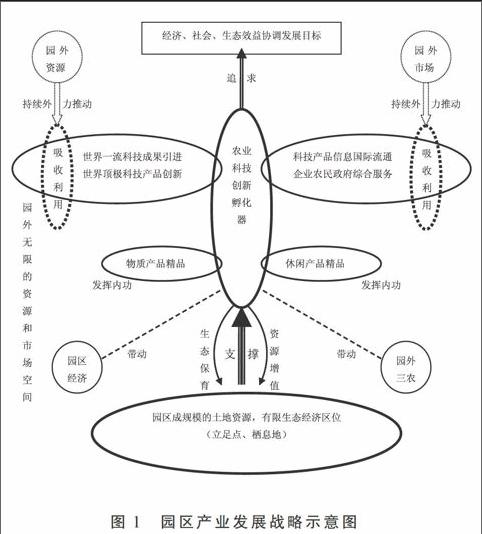

摘 要:对太行山区的资源、区位、经济发展水平、政策等条件进行了简述,运用SWOT分析法(态势分析法),对太行山区农业发展的优势、劣势、机会及威胁进行了分析,并以河北省行唐县太行山区为研究对象,考虑项目区的实际情况提出园区发展高质量和高效益的农产品,打造完整的产业链条,开发多元化的旅游项目的建议。通过规划设计研究,园区功能区划分为“一核、六区、一长廊”,并制定了“142”(一体四翼双功能)产业总体发展战略,从而使太行山区农业实现可持续发展,以期为我国太行山荒山丘陵区农业园区发展建设提供参考资料。
关键词:SWOT分析;太行山区;生态农业产业园;农业规划设计
中图分类号:TU984.18 文献标识码: A DOI 编码:10.3969/j.issn.1006-6500.2014.09.005
Abstract: In this paper, the resources, location and economy development level and policy of Taihang mountain areas(THMA)was briefly introduced ,and the strengths, weaknesses,opportunities and threats by SWOT model to agricultural development in THMA were analyzed. Taking the THMA of Xingtang county in Hebei province as the research object, considering the actual conditions of the project area,to put forward a suggest that develop the agricultural product quality and efficiently, create a complete industry chain, develop diversified tour item .Through the planning design research, divide garden into three functional area, such as "core", "six areas"and "a long corridor", and drew up "142" industries development strategy, making to THMA agriculture go on the path of sustainable development ,in order to provide reference for the development and construction of agricultural garden in THMA.
Key words: SWOT analysis; Taihang Mountain area; ecological agriculture industrial park; agriculture panning designs
中国是一个多山的农业大国,山区占陆地总面积近70%。几千年来,我国广大山区农业发展一直以求“温饱”作为中心内容。长期以来为获得“更好”的生存条件而进行的扩大耕地、陡坡垦殖、超载放牧、砍伐森林,结果导致广大山区普遍存在植被减少、土壤侵蚀、水土流失、山场退化等一系列严重的生态环境问题[1]。
山区自然条件差、经济基础薄弱、农民意识落后、山区经济社会发展相对滞后,已成为实现山区农业可持续发展的主要制约因素。山区农业是中国区域农业的重要组成部分,其可持续发展是山区经济社会发展的基础。河北省山区面积占全省国土总面积的62%,达到11.7万km2。其中,太行山区位于河北省西部,山区面积占全国太行山区面积的1/3,占河北省的22%,是京津和华北平原的水源涵养地和保持生物多样性的重要“基地”,也是首都和环渤海经济区生态安全的保障屏[2]。……