一种纯电动汽车用的剩余里程算法开发
2020-05-03李文杰
李文杰
摘 要:文章剩余里程的指导思想是根据当前用户的使用工况和剩余能量,预测未来一段时间的剩余里程。剩余里程的开发是基于NEDC工况下展开的,根据当前车辆实时消耗的能量(W)和NEDC工况下标准平均公里能耗相比较得到和标准工况下的差值S差,从而估算剩余里程。剩余里程估算精度与电动车电池能量状态估算精度、平均公里能耗、能量效率这三方面强相关。NEDC工况(开空调、无空调)验证结果,剩余里程全程均实现了平缓下降,无跳变现象,估算误差分别≤5%、≤8%;满足汽车剩余里程估算精度需求。
关键词:剩余里程;能耗;估算精度
Abstract: The guiding ideology of this paper is to predict the remaining mileage in the future according to the current user's operating conditions and remaining energy. The development of the remaining mileage is based on the NEDC working condition. According to the comparison between the current vehicle real-time energy consumption (W) and the standard average kilometer energy consumption under the NEDC working condition, the difference s difference between the current vehicle real-time energy consumption (W) and the standard average kilometer energy consumption under the NEDC working condition is obtained, so as to estimate the remaining mileage. The accuracy of residual mileage estimation is closely related to the accuracy of battery energy state estimation, average kilometer energy consumption and energy efficiency. According to the verification results of NEDC working conditions (air conditioning on, no air conditioning), the remaining mileage has achieved a smooth decline, no jump phenomenon, and the estimation errors are ≤ 5% and ≤ 8% respectively, meeting the estimation accuracy requirements of the vehicle remaining mileage.
1 引言
電动汽车的续驶里程是指:电动汽车从动力蓄电池全充满状态开始到标准规定的试验结束时所走的里程。但电动车实际使用工况复杂、车辆能耗变化大,续驶里程算法的估计精度有限,里程估计值与实际行驶距离相差很大。这使得乘客担心现有的电量不能保证车辆到达目的地,产生所谓“里程焦虑感”,降低电动汽车的使用信心。因此,提高电动汽车续里程估计的精度是提高电动汽车普及率、促进电动汽车产业发展的重要因素。
电动汽车的续驶里程取决于动力电池的剩余能量,而且与驾驶方式、驾驶环境等也有很大关系。剩余里程估算精度在以下几方面显得尤为重要:
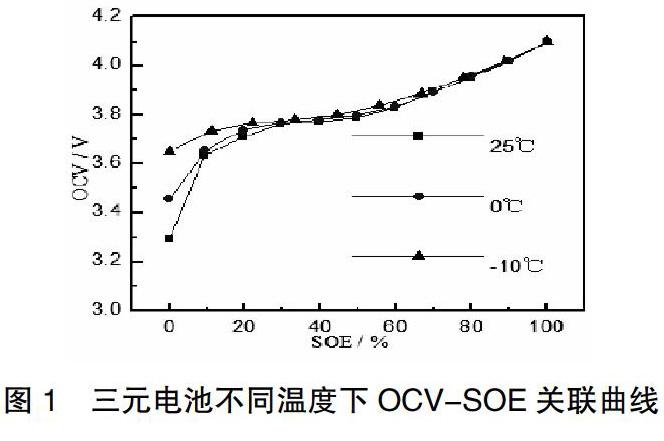
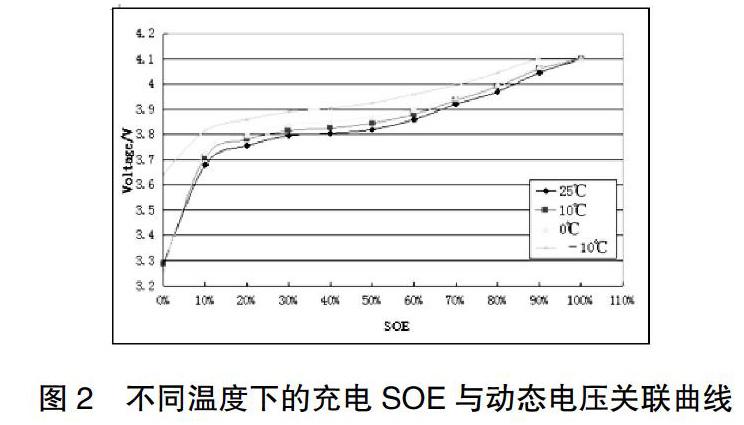
(1)电动车电池能量状态(SOE)估算精度直接影响剩余里程的估算,SOE算法中涉及到母线电流和母线电压,其采样周期的同步性和采样周期频率直接影响SOE的估算精度。……
