从门外汉到歌剧通
2019-09-18主持JoannaLee编译辛时雨
主持:Joanna C. Lee 编译:辛时雨
东京新国立剧场的美妙公共空间
NNTT making space for the public
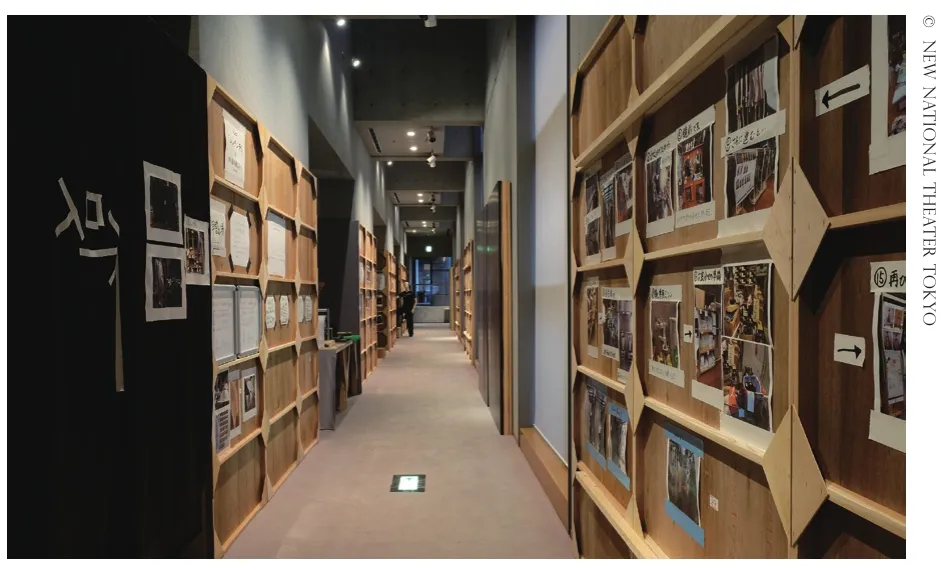

“初台艺术空间”利用多个展区向公众展示舞台艺术的戏服与后台
小琼:上个月,我去日本观赏了东京新国立剧场(NNTT)的《图兰朵》新制作。不得不提的是,我在剧场里发现了令人惊叹的公共空间。
小薇:表演艺术中心是歌剧、音乐、舞蹈及话剧观众重要的出行目的地,但它们同样也是重要的“地产项目”,尤其是在繁华拥挤的都市中。在东京巨大的人口密度之下,剧场是如何服务于更广泛的受众,来吸引人们踏足艺术领域的呢?除了光顾餐馆和咖啡馆之外,公众还能通过什么方式“使用”这个空间呢?
小琼:很显然,在晚场及日场演出期间,剧场主要服务于购票看演出的观众。然而,清晨呢?午餐时间呢?或者晌午后呢?要是有人想探索这里,或只是来放松呢?踏进了NNTT,我惊讶地发现大堂里有非常多的座位,隐藏在各个区域的角落。这些座位看起来舒适且宁静,在这里可以不受干扰地看完一本书。但真正吸引我的是“天桥咖啡厅”,从字面上就可以看出这是一个横跨整个一楼两端的区域。我到得比午餐时间稍早些,不过公司白领、退休的老人或者是年轻家庭已经开始自由地用起了
Joan:Last month I visited Japan for a new production ofTurandotat the New National Theatre Tokyo (NNTT). But what I must mention today are the awe-inspiring public spaces I found in the venue.
Valery:Performing arts centers are important destinations for the opera, music, dance and theater audiences, yet they are also important “real estate,”especially in bustling, crowded cities. Considering the population density of Tokyo, how does the venue serve the wider public, inviting people into the cultural realm? Apart from patronizing restaurants and cafes,what other ways can the public “use” the space?
Joan:Obviously, during evening or matinee performances, the venue mostly services ticket buyers. But what of the mornings or lunchtime, or mid-afternoons? What if someone wants to explore,or just relax? When I entered the NNTT, I was surprised by the abundance of seating in the lobby area, tucked into various corners. These seats are very inviting, and very peaceful - you can read a book without being disturbed. But what really caught my eye was the“Bridge Café,” literally an area that extends across the first floor. I arrived a little bit earlier than lunchtime,but office-workers, retirees and young families were那些小桌子,吃着他们带来的便当。
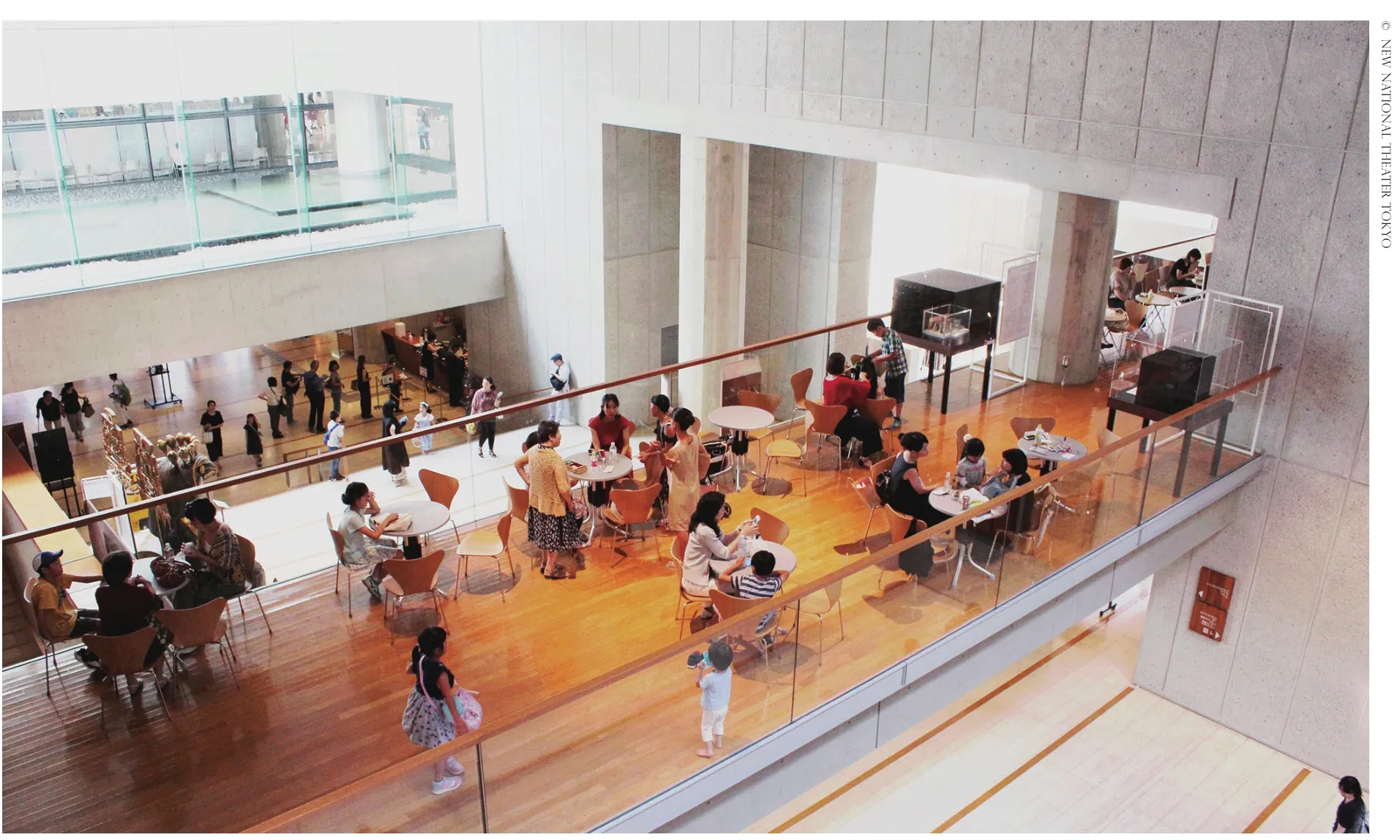
东京新国立剧场的“天桥咖啡厅”
小薇:这是一项非常优秀的公共服务,为公众打造了一个空间,鼓励他们与表演艺术直接沟通接触。NNTT坐落于一片写字楼当中(其中包括东京歌剧城大厦),为想要休息的人们提供充裕的空间。……