代 词
2019-01-03供稿Jenny
◎供稿:Jenny
一、人称代词
人称代词是指人的代词,有性、数、格的区别。表示“我”“你”“他”“我们”“你们”“他们”。请看下表:
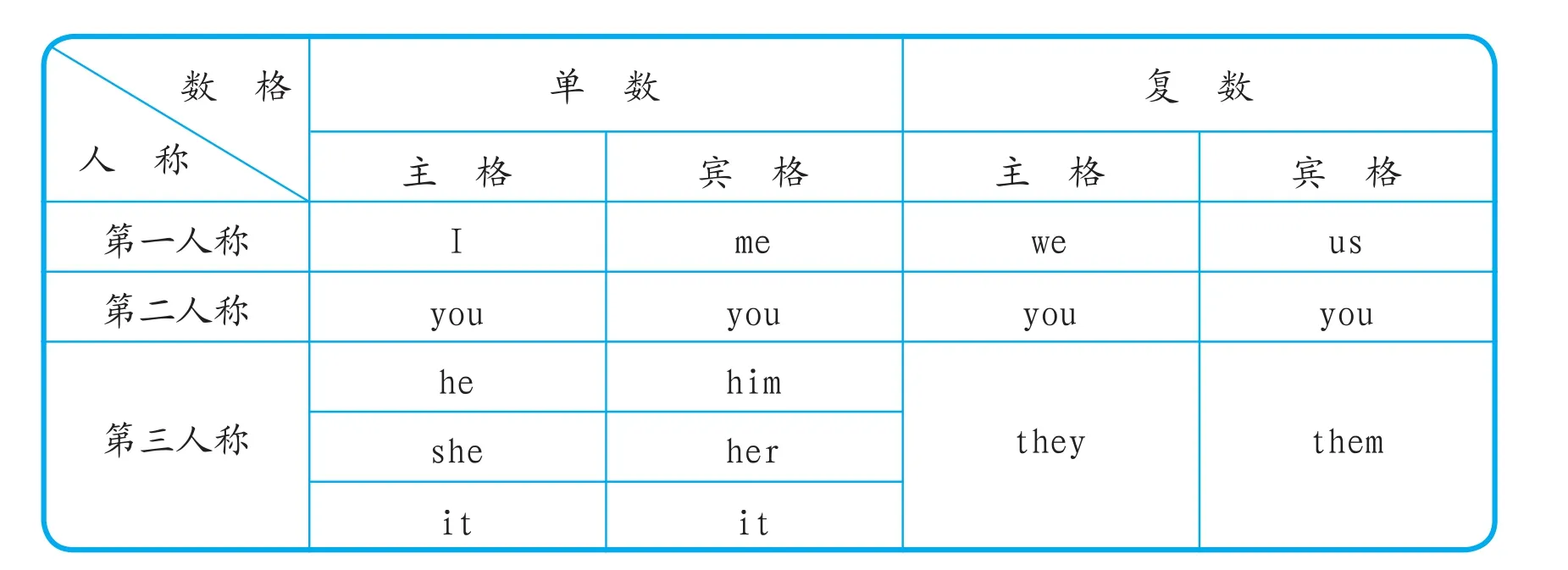
1. 主格在句中作主语。
例如:She is my English teacher.
2. 宾格在句中作宾语。
例如:They don’t want me to go there alone.
Don’t worry. I can look after her.
注意
1.it作为人称代词时,可以表示天气、距离、时间、环境等。
例如:It is about 10 kilometres from here.
2.it还可用作形式主语或形式宾语,来代替由不定式,动词的-ing,形式或主语从句构成的真正的主语或宾语。
例如:It is not easy to learn English well.
I found it difficult to sleep.
3. It可用于其他句型:
(1)It is time to do sth (2)It’s sb’s turn to do sth
(3)It seems that+句子 (4)It is+adj. that+句子
4.人称代词she可以用指代祖国、大地、月亮、轮船等。
例如:We love our country, we hope she’ll be stronger and stronger.
5.it指代上文出现过的同一个人或事物;指代婴儿或身份不明的人。
例如:I like the mobile phone, could you buy it for me?
Someone is knocking on the door. Who might it be?
6.英语里当主语是并列的几个人时,人称代词的排序和汉语不同:
单数形式(二、三、一)you, he, I
复数形式(一、二、三)we, you, they
但是,当受到批评或时承认错误时正好相反,I在最前,you在最后。
例如:You, he and I are all the winners.
I, Li lei and you are wrong. We should do more for the project.
二、物主代词
表示所有关系的代词叫物主代词。物主代词包括名词性物主代词和形容词性物主代词。
1.形容词性物主代词在句中具有形容词的特征。在句中作定语,后面跟名词。
例如:To our surprise, he has passed the exam.
2.名词性的物主代词具有名词的特征,在句中作主语、表语、宾语。
3.名词性物主代词可以与of连用,作定语。
例如:A friend of ours are waiting for us.
4. 形容词性物主代词+名词=名词性物主代词
—Where is my pen?
—Oh, sorry. I have taken yours by mistake.
5. 形容词性物主代词与own连用,如:on my own我自己
三、反身代词
用来表示“某人自己”的代词称为反身代词。如下表所示:
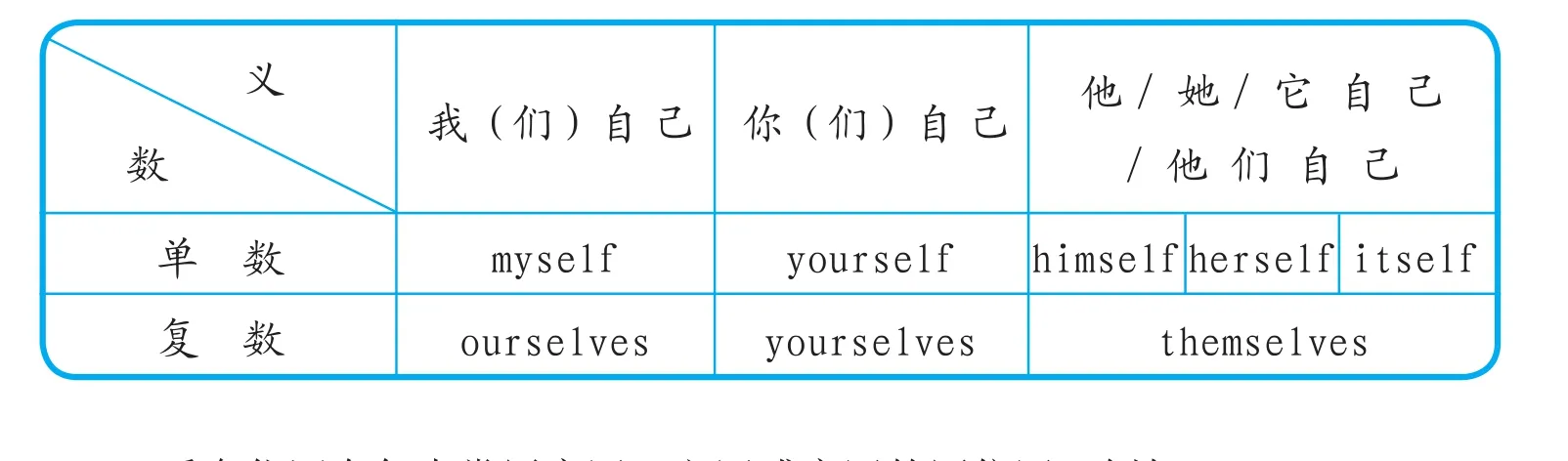
1.反身代词在句中常用宾语,主语或宾语的同位语。例如:
Her sister is too young to dress herself.
He himself is always making such mistakes.
You’d better ask your wife herself.
2.反身代词可与其他词构成固定搭配,例如:
make oneself at home teach oneself learn by oneself
help oneself to enjoy oneself look after oneself
dress oneself hurt oneself leave sb by oneself
3.oneself变为复数时,把f改为v+es
四、指示代词
表示时间和空间远近关系的代词叫指示代词。见下表:

指示代词可在句中作主语、宾语、表语、定语等。……
