Advances in the relationship between Hashimoto’s thyroiditis and thyroid cancer
2018-09-11YuQiao
Yu Qiao
1Tianjin Medical University Cancer Institute and Hospital,Tianjin,China.2National Clinical Research Center for Cancer,Tianjin,China.3Key Laboratory of Cancer Prevention and Therapy,Tianjin,China.
*Correspondence:Yu Qiao,Tianjin Medical University Cancer Institute and Hospital,National Clinical Research Center for Cancer,300060 Tianjin,China.E-mail:qiaoyugeorge@sina.com.
Introduction
Hashimoto's thyroiditis(HT)is one of the most common autoimmune diseases of the thyroid and is also one of the most common causes of hypothyroidism[1,2].The pathogenesis of HT includes humoral immunity(autoantibody),cellular immunity and gene[3].There is often lymphocytic infiltration in HT,so it is also known as chronic lymphocytic thyroiditis.The infiltrating T cells release cytokines under the stimulation of the thyroid autoantigen,which leads to the apoptosis of thyroid cells,and the antibody relating to thyroid released by humoral immunity promotes the progressive thyroid fibrosis[4].In recent years,the incidence of HT is consistent grow th[5],which may be one of the reasons for the increased incidence of thyroid cancer.
Thyroid nodules are very common.Ultrasonography detects the 30-67%[1,6]of thyroid nodules.In recent years,the incidence of papillary thyroid carcinoma continues to increase rapidly[7].According to statistics,from 1974 to 2013,there are 77276 patients in the United States diagnosed with thyroid cancer,w ith an average annual increase of 3%[8].In South Korea,thyroid cancer has also become one of the most common malignancies in women[9].Similarly,the incidence of thyroid cancer in China is also increasing rapidly.On the basis of statistics,the new incidence of thyroid cancer is about 143900 cases in 2013,which the incidence is 10.58/100000,while in 2010 the new incidence of thyroid cancer is only 54175 cases in China[10,11].As the incidence of thyroid cancer increasing,Hashimoto’s thyroiditis is also booming rapidly.
Chronic inflammation and immune diseases have been confirmed to promote the occurrence of certain cancers,such as the relationship between pelvic inflammation and ovarian cancer,scleroderma and breast cancer,as well as chronic inflammation and lung cancer[12].Similarly,HT may also be one of the risk factors leading to papillary thyroid cancer(PTC).However,PTC associated with HT is less aggressive and malignant,and the prognosis is better than that of without HT[14].
Molecule mechanism study
Retproto-oncogene/taste 2 receptor member 38(RET/T2R38)gene rearrangement
The mechanism of PTC triggered by HT may be related to the role of RET/T2R38 in the immune system[15,16].It is reported that RET/T2R38 gene mutates in 68-95%of patients with Hashimoto’s thyroiditis[17],which also often exists in the PTC[18-20].A retrospective study also confirmed that the probability of RET/T2R38 gene rearrangement in PTC patients with HT was higher than that in patients without HT.It is also reported that chronic inflammation can cause the conformation of chromatin to become unstable,and then induce the mutation of RET/T2R38 gene[21].Specifically,this mutation is a gene rearrangement between the RET tyrosine kinase domain and the heterologous gene,which leads to the continuous activation of the RET gene,finally making the oncoprotein dimerization or oligomerization[3].This gene rearrangement may be one of the reasons that HT promotes the occurrence of PTC.
Besides,RET/T2R38 can also induce a large number of pro-inflammatory factors, such as C-X-C motif chemokine ligand 1(CXCL 1),CCR-like protein 2,granulocyte-macrophage colony stimulating factor,interleukin(IL)-1α,IL-1β,IL-6,IL-24,prostagl and in E2,Microsomal prostagl and in Esynthase-1, and cyclooxygenase 2[3,22].Therefore,the RET/T2R38 gene rearrangement also promotes the occurrence of chronic inflammation.
The oncogenes RET/T2R38 can also activate downstream RAF kinase and mitogen-activated protein kinase(MAPK)cascade reaction[16,23,24].Bozec Aet al.also shows that HT may activate MAPK signaling pathway during the development of PTC[25].This activated MAPK may be due to long-term HT induced RET/T2R38 gene rearrangement(Figure 1).

Figure 1 RET/T2R38 gene rearrangement and PTC
B-Raf proto-oncogene V 600E (BRAF V600E)mutation
BRAF V600E is one of the members of the MAPK signaling pathway and is also an essential oncogene in PTC,which is closely related to the increased invasiveness of PTC,while this mutation less appears in the PTC patients with HT[14].This gene mutation may be one of the reasons for the better prognosis of PTC patients with HT.Although there are many studies on BRAF V600E mutations,it remains further research that the relationship between HT and lymph node metastasis in patients with PTC[26].
RET/T2R38 rearrangement often occurs in PTC with HT,while BRAF V600E mutation is common in PTC without thyroiditis [21].Recent reports have also confirmed that there is no significant association between BRAF mutation and HT in PTC[27].However,some studies have shown that the simultaneous expression of RET/T2R38 and BRAF thyroid cells can induce gene expression related to the immune response[3],which leads to the combination of chemokine and its receptor.In particular,chemokine CXCL10 plays a crucial role in the initial lymph node invasion of HT patients[28,29].
PI3K activation
Concerning the role of HT in promoting the development of thyroid cancer,Larsonet al.study proposed novel possible molecular mechanism:the activation of the PI3K/Akt signaling pathway in HT patients,and they detected the incremental phosphorylated Akt expression in HT and PTC[30].Activated Akt also exists in chronic inflammation and thyroid cancer,indicating that it plays a similar role in the occurrence and transformation of HT.
P63 gene
P63 is a member of the P53 gene family[31],which overexpresses in many tumors[32].The P63 protein is also highly expressed in HT and PTC,but P63 protein is not expressed or low expressed in normal thyroid tissue[33].PTC with highly expressed P63 has stronger biological invasiveness,in which the central lymph node metastases are more than those of P63 low expression,and P63 may also promote the proliferation and progression of PTC cells.Therefore,P63 is expected to become a predictor of PTC's malignant biological behavior[34].Because P63 is highly expressed in HT and PTC,some scholars speculate that there are some potential pathological connections between these two diseases.However,the mechanism remains to be further clarified.We make the following two speculations:first,P63 protein is recognized as being able to regulate and maintain the homeostasis of the squamous stem cells and to maintain the intracellular environment.Overexpression of P63 may lead to abnormal cell differentiation and internal environmental disorders[31,33].Oncogenes mutations in residual embryonic stem cells with P63 positive may contribute to PTC,or these cells may stimulate some immune responses,leading to the occurrence of Hashimoto’s thyroiditis[21].
In addition to the expression of P63 as a predictor of PTC's malignant biological behavior,it can be used to distinguish PTC from other thyroid cancer because of its low expression in the follicular and medullary thyroid carcinoma isoforms[33](Figure 2).
Fas /Fas Ligand(Fas/FasL)gene
The frequencies of Fas genotype and allele in HT patients were significantly different from those in the normal population.Lymphocytes infiltrated for thyroiditis can express Fas-L.The combination of Fas and Fas-L leads to apoptosis of thyroid cells.The polymorphism of Fas gene and the different frequency of alleles may be important reasons for the apoptosis of thyroid cells caused by autoimmune diseases,but it needs to study further that the reason of HT induces cell apoptosis and causes the destruction of thyroid follicles[35].
Fas/FasL associated inflammation and single nucleotide polymorphisms(SNPs)have been proved to increase the risk of some tumors and poor prognosis of a variety of cancers[36-42].Recently,a significant difference in the frequency of Fas alleles was found by comparing PTC patients to healthy people,and it was preliminarily demonstrated that the progression of PTC was significantly related to the intron and promoter of the Fas and 30-UTR of SNP[43].

Figure2 P63 gene and PTC
Clinical pathology study
Histological examination showed that the thyroid gland often had lymphocytic infiltration in thyroid cancer patients.Therefore,it was speculated that there might be a precise relationship between HT and PTC in pathology.Yoon YH and other studies suggest that thyroiditis has some association with PTC in clinicopathology.Compared to patients without thyroiditis,PTC with thyroiditis has smaller age,more women,smaller tumor size,and less probability of extracapsular invasion.Besides,the probability of central lymph node metastasis in PTC patients with thyroiditis is lower than in patients without it[44].Last year,the literature further suggested that the probability of central and lateral cervical lymph node metastasis in the HT positive group was lower than that of the PTC patients without HT,and the lymph node ratio was lower in the central region[45].In addition to their research,clinicopathological studies of Lee JH,Jankovic B,and Chen YK also obtained similar results[2,46,47].However,it is worth noting that the association between HT and thyroid cancer seems to exist only in papillary thyroid carcinoma,while there is no correlation between follicular thyroid carcinoma and HT.Moreover,there is less related research in medullary and undifferentiated cancers.
Serological study
Thyroglobulin antibody and Thyroid peroxidase antibody(TgAb and TPOAb)
Laboratory tests of HT patients often show elevated thyroglobulin, TgAb, and TPOAb titers. The autoantibodies of TPOAb and TgAb have specific complement and cytotoxicity,which can lead to thyroid cell damage.It is believed that the cross-reaction between Tg and TPO contributes to the occurrence of autoimmune thyroid disease[1],which TPOAb is associated with autoimmune lymph nodes[48].Compared with TgAb,increased TPOAb is more accurate in diagnosing HT and hypothyroidism,while TgAb is more tumor-specific[49].Korean and Greek scholars retrospectively studied 1171 and 854 cases,of which HT accounted for 365/1171and 246/836 respectively,PTC accounted for 389/836 and/1171 respectively.After data analysis,they came to the same conclusion:increased TgAb is an independent risk factor for PTC,and positively correlated with lymph node metastasis of PTC[1,49].After thyroid cancer surgery,the metastasis is often monitored through the TgAb titer,but because TgAb is also associated with lymph node metastasis,it may interfere with the effect of TgAb.Patients with poor primary tumor characteristics often have a high level of serum TgAb before surgery,such as lymph node invasion or metastasis,but it does not make worse prognosis than those with normal TgAb titers[49].We speculate that a more aggressive treatment plan is adopted because of the poor tumor characteristics(Figure 3).

Figure 3 TgAb and PTC
Previous literature has shown that a high titer of TPOAb is a protective factor for thyroid cancer[50].Some scholars have found that TPOAb shows a moderate degree of antibody-dependent cell-mediated cytotoxicity and anti-proliferative activity in the thyroid cancer cell line[51].Thus,the increased TPOAb in HT patients seems to prevent the progression of thyroid cancer.However,there is also a different view that TPOAb is a risk factor for malignant thyroid nodules[52].When TPOAb>140 IU/m L with HT and PTC,the risk of recurrent PTC is increased,and TPOAb has a significant predictive value for the occurrence of multifocal and central lymph node metastases.Many retrospective studies have found that TPOAb is entirely unrelated to PTC[53,54].TPOAb level of malignant thyroid nodules is not higher than benign thyroid nodules[53,55].
Thyroid stimulating hormone(TSH)
When HT leads to thyroid dysfunction,it may occur in subclinical or clinical hypothyroidism.These two cases all have a high level of serum thyroid stimulating hormone(TSH).The increased TSH promotes the atrophy and hypofunction of the thyroid gland,so the elevated TSH titer is considered to be one of the critical risk factors for differentiated thyroid cancer in some literature[56,57].Therefore,the treatment guidelines recommend that all patients with thyroid nodules should detect serum TSH levels[58].Recently,a further study has pointed out that the risk of PTC increases in women whose serum TSH level below the normal range,while in men whose serum TSH level beyond the normal range[59].However,more studies still show that a high level of TSH is a risk factor for thyroid cancer[57,60].Therefore,thyroid cancer patients usually take levothyroxine(T4)to inhibit the TSH level,standard adjuvant therapy for thyroid cancer[58,61].Besides,patients with high TSH level had a larger diameter of malignant thyroid nodules and advanced clinical stage of tumors[56,60].
Summary
In recent decades,it is very high for the incidence of HT and the thyroid cancer rate,and it showed sustainable grow th,which is worthy of our attention and study.This article reviews the relationship between HT and thyroid cancer concerning clinical and pathological aspects.Although there are still some disputes about the relationship,this article is more likely to that autoimmune thyroid inflammation such as HT is carcinogenic,and thyroid dysfunction related to HT may also promote tumor grow th induced by stimulating TSH receptor.As the level of TSH and TgAb rise and thyroid nodules with HT,so does the possibility of malignant,yet an independent risk factor,which is of great significance for clinical practice.There are different views,perhaps because of the different race,sex ratio and regional.Also,there are relatively few studies on HT and its related antibodies and lymph node metastasis of thyroid cancer.Further study is needed to predict the extent of lymph node dissection through the severity of HT or the titer of associated antibodies(Figure 4).This will have important clinical value in the choice of operation method.

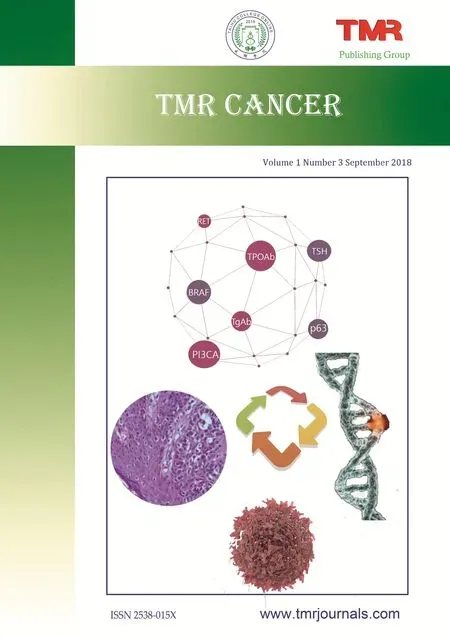
Figure 4 Biomolecular markers have been identified as possibly being involved in the neop lastic transformation from HT to TC.
:
1.Vasileiadis I,Boutzios G,Charitoudis G,et al.Thyroglobulin antibodies could be a potential predictive marker for papillary thyroid carcinoma.Ann Surg Oncol2014,21:2725-2732.
2.Jankovic B,Le KT,Hershman JM.Clinical review:Hashimoto’s thyroiditis and papillary thyroid carcinoma:is there a correlation?J Clin Endocrinol Metab 2013,98:474-482.
3.Boi F,Pani F,Mariotti S.Thyroid autoimmunity and thyroid cancer:review focused on cytological studies.Eur Thyroid J2017,6:178-86.
4.Mincer DL. Thyroid, Hashimoto Thyroiditis.Stat Pearls.Treasure Island(FL)2017.
5.Xu C,Wu F,Mao C,et al.Excess iodine promotes apoptosis of thyroid follicular epithelial cells by inducing autophagy suppression and is associated with Hashimoto thyroiditis disease.J Autoimmun 2016,75:50-57.
6.Brito JP,Hay ID,Morris JC.Low risk papillary thyroid cancer.BMJ2014,348:g3045.
7.Schneider DF,Chen H.New developments in the diagnosis and treatment of thyroid cancer.CA Cancer JClin 2013,63:374-394.
8.Lim H,Devesa SS,Sosa JA,et al.Trends in Thyroid Cancer Incidence and Mortality in the United States,1974-2013.JAMA 2017,317:1338-1348.
9.Kweon SS,Shin MH,Chung IJ,et al.Thyroid cancer is the most common cancer in women,based on the data from population-based cancer registries,South Korea.Jpn JClin Oncol 2013,43:1039-1046.
10.Yang L,Zheng RS,Wang N,et al.Analysis of Incidence and Mortality of Thyroid Cancer in China,2013.Chin J Oncol 2017,39:862-867.
11.Yang L,Zheng R,Wang N,et al.Analysis of incidence and mortality of thyroid cancer in China,2010.Chin J Peven Med 2014,48:663-668.
12.Joseph CG,Darrah E,Shah AA,et al.Association of the autoimmune disease scleroderma with an immunologic response to cancer.Science 2014,343:152-115.
13.Uhliarova B,Hajtman A.Hashimoto’s thyroiditis-an independent risk factor for papillary carcinoma.Braz J Otorhinolaryngol 2017,17:20153-30162.
14.Dvorkin S,Robenshtok E,Hirsch D,etal.Differentiated thyroid cancer is associated with less aggressive disease and better outcome in patients with coexisting Hashimotos’thyroiditis.J Clin Endocrinol Metab 2013,98:2409-2414.
15.Muzza M,Degl'Innocenti D,Colombo C,et al.The tight relationship between papillary thyroid cancer,autoimmunity and inflammation: clinical and molecular studies.Clin Endocrinol(Oxf)2010,72:702-708.
16.Prescott JD,Zeiger MA.The RET oncogene in papillary thyroid carcinoma.Cancer 2015,121:2137-2146.
17.Iliadou PK,Effraimidis G,Konstantinos M,et al.Chronic lymphocytic thyroiditis is associated with invasive characteristics of differentiated thyroid carcinoma in children and adolescents.Eur J Endocrinol 2015,173:827-833.
18.Arif S,Blanes A,Diaz-Cano SJ.Hashimoto’s thyroiditis shares features with early papillary thyroid carcinoma.Histopathology 2002,41:357-362.
19.Halkova T,Dvorakova S,Vaclavikova E,et al.A novel RETS/T2R38 variant detected in a pediatric patient with papillary thyroid cancer without ionization history.Hum Pathol 2015,46:1962-1969.
20.Zhou D,Li Z,Bai X.BRAFV600E and RET/T2R38 promote proliferation and migration of papillary thyroid carcinoma cells in vitro by regulating nuclear factor-kappa B. Medical science monitor:international medical journal of experimental and clinical research 2017,23:5321-5329.
21.Liu CL,Cheng SP,Lin HW,et al.Risk of thyroid cancer in patients with thyroiditis:a population-based cohort study.Ann Surg Oncol 2014,21:843-849.
22.Antonelli A,Ferrari SM,Giuggioli D,etal.Chemokine(C-X-C motif)ligand(CXCL)10 in autoimmune diseases.Autoimmun Rev 2014,13:272-280.
23.Santoro M,Melillo RM,Fusco A.RET/T2R38 activation in papillary thyroid carcinoma:european journal of endocrinology prize lecture.Eur J Endocrinol 2006,155:645-653.
24.Zhang X,Su X,Chen WC,et al.RET/T2R38 rearrangement affects multifocal formation of papillary thyroid carcinoma.Chin J Otorhinolaryngol Head and Neck Surg 2017,52:435-439.
25.Bozec A,Lassalle S,Hofman V,et al.The thyroid gland: a crossroad in inflammation-induced carcinoma?An ongoing debate with new therapeutic potential.Curr Med Chem 2010,17:3449-3461.
26.Zhu F,Shen YB,Li FQ,et al.The effects of Hashimoto thyroiditis on lymph node metastases in unifocal and multifocal papillary thyroid carcinoma:a retrospective Chinese cohort study.Medicine 2016,95:e2674.
27.Aust DE,Haase M,Dobryden L,et al.Mutations of the BRAF gene in ulcerative colitis-related colorectal carcinoma.Int J Cancer 2005,115:673-677.
28.Ruffilli I,Ferrari SM,Colaci M,et al.CXCR3 and CXCL10 in autoimmune thyroiditis.Clin Ter 2014,165:237-242.
29.Cakir M,Levendoglu F,Kiyici A,et al.Serum CXCL10 levels and neuromuscular manifestations in patients with autoimmune thyroid diseases.Autoimmunity 2011,44:496-503.
30.Larson SD,Jackson LN,Riall TS,et al.Increased incidence of well-differentiated thyroid cancer associated with Hashimoto thyroiditis and the role of the PI3k/Akt pathway.J Am Coll Surg 2007,204:764-773.
31.Gonfloni S,Caputo V,Iannizzotto V.P63 in health and cancer.Int J Dev Biol 2015,59:87-93.
32.Reis-Filho JS,Simpson PT,Martins A,et al.Distribution of p63,cytokeratins 5/6 and cytokeratin 14 in 51 normal and 400 neoplastic human tissue samples using TARP-4 multi-tumor tissue microarray.Virchows Arch 2003,443:122-132.
33.Unger P,Ewart M,Wang BY,et al.Expression of p63 in papillary thyroid carcinoma and in Hashimoto’s thyroiditis:a pathobiologic link?Hum Pathol 2003,34:764-769.
34.Hao Y,Jin C,Wang J.Expression and clinical significance of Muc1,p63 protein in diffuse sclerosing variant of papillary thyroid carcinoma and conventional papillary thyroid carcinoma.J Clin Otorhinolaryngol,head and neck Surg 2013,27:457-461.
35.Erdogan M,Kulaksizoglu M,Ganidagli S,et al.Fas/FasL gene polymorphism in patients with Hashimoto’s thyroiditis in Turkish population.J Endocrinol Invest 2017,40:77-82.
36.Wang Z,Gu J,Nie W,et al.Quantitative assessment of the association between three polymorphisms in FAS and FASL gene and breast cancer risk.Tumour biol 2014,35:3035-3039.
37.Dalan AB,Timirci-Kahraman O,Turan S,et al.Association between FAS and FASL genetic variants and risk of primary brain tumor.Int J Neurosci 2014,124:443-449.
38.Han W,Zhou Y,Zhong R,et al.Functional polymorphisms in FAS/FASL system increase the risk of neuroblastoma in Chinese population.PloS one 2013,8:e71656.
39.Li F,Liu Y,Fu T,et al.Associations of three common polymorphisms in CD95 and CD95L promoter regions with gastric cancer risk.Tumour biol 2013,34:2293-2298.
40.Wang J,Gao J,Li Y,et al.Functional polymorphisms in FAS and FASL contribute to risk of squamous cell carcinoma of the larynx and hypopharynx in a Chinese population.Gene 2013,524:193-196.
41.Li Y,Hao YL,Kang S,et al.Genetic polymorphisms in the Fas and FasL genes are associated with epithelial ovarian cancer risk and clinical outcomes Gynecol Oncol 2013,128:584-589.
42.Karimi MY,Kapoor V,Sharma SC,et al.Genetic polymorphisms in FAS(CD95)and FAS ligand(CD178)promoters and risk of tobacco-related oral carcinoma: gene-gene interactions in high-risk Indians.Cancer Invest 2013,31:1-6.
43.Eun YG,Lee YC,Kim SK,et al.Single nucleotide polymorphisms of the Fas gene are associated with papillary thyroid cancer.Auris Nasus Larynx 2015,42:326-331.
44.Yoon YH,Kim HJ,Lee JW,etal.The clinicopathologic differences in papillary thyroid carcinoma with or without co-existing chronic lymphocytic thyroiditis.Eur Arch Otorhinolaryngol.2012,269:1013-1017.
45.Zhu Y,Zheng K,Zhang H,etal.The clinicopathologic differences of central lymph node metastasis in predicting lateral lymph node metastasis and prognosis in papillary thyroid cancer associated with or without Hashimoto’s thyroiditis.Tumour biol 2016,37:8037-8045.
46.Lee JH,Kim Y,Choi JW,et al.The association between papillary thyroid carcinoma and histologically proven Hashimoto’s thyroiditis:a meta-analysis.Eur J Endocrinol 2013,168:343-349.
47.Chen YK,Lin CL,Cheng FT,et al.Cancer risk in patients with Hashimoto’s thyroiditis:a nationwide cohort study.Br J Cancer 2013,109:2496-2501.
48.Pandit AA,Vijay Warde M,Menon PS.Correlation of number of intrathyroid lymphocytes with antimicrosomal antibody titer in Hashimoto’s thyroiditis.Diagn Cytopathol 2003,28:63-65.
49.Jo K,Kim MH,Ha J,et al.Prognostic value of preoperative anti-thyroglobulin antibody in differentiated thyroid cancer.Clin Endocrinol(Oxf)2017,87:292-299.
50.Paparodis R,Imam S,Todorova-Koteva K,et al.Hashimoto’s thyroiditis pathology and risk for thyroid cancer.Thyroid 2014,24:1107-1114.
51.Yu Y,Zhang J,Lu G,et al.Clinical Relationship Between IgG4-Positive Hashimoto’s Thyroiditis and Papillary Thyroid Carcinoma.J Clin Endocrinol Metab 2016,101:1516-1524.
52.Boi F,M inerba L,Lai ML,et al.Both thyroid autoimmunity and increased serum TSH are independent risk factors for malignancy in patients with thyroid nodules.J Endocrinol Invest 2013,36:313-320.
53.Fiore E,Rago T,Latrofa F,et al.Hashimoto’s thyroiditis is associated with papillary thyroid carcinoma:role of TSH and of treatment with L-thyroxine.Endocr Relat Cancer 2011,18:429-437.54.Azizi G,Keller JM,Lew is M,et al.Association of Hashimoto’s thyroiditis with thyroid cancer.Curr Opin Oncol 2014,21:845-852.
55.Kim KW,Park YJ,Kim EH,et al.Elevated risk of papillary thyroid cancer in Korean patients with Hashimoto’s thyroiditis.Head Neck 2011,33:691-695
56.Zafon C,Obiols G,Mesa J.Preoperative TSH level and risk of thyroid cancer in patients with nodular thyroid disease:nodule size contribution.Endocrinol Nutr 2015,62:24-28.
57.Khan MA,Malik N,Khan KH,et al.Association of Preoperative Serum Thyroid-stimulating Hormone Levels with Thyroid Cancer in Patients with Nodular Thyroid Disease.World J Nucl Med 2017,16:202-205.
58.Gao M.Guidelines for diagnosis and treatment of thyroid nodules and differentiated thyroid cancer.Chin Tumor Clin 2012,39:1249-1272.
59.Huang H, Rusiecki J, Zhao N,etal.Thyroid-Stimulating Hormone,Thyroid Hormones,and Risk of Papillary Thyroid Cancer:A Nested Case-Control Study.Cancer Epidemiol Biomarkers Prev 2017,26:1209-1218.
60.Haymart MR,Repplinger DJ,Leverson GE,et al.Higher serum thyroid stimulating hormone level in thyroid nodule patients is associated with greater risks of differentiated thyroid cancer and advanced tumor stage.J Clin Endocrinol Metab 2008,93:809-814.
61.Schmidbauer B,Menhart K,Hellw ig D,et al.Differentiated thyroid cancer-treatment:state of the art.Int J Mol Sci 2017,18.
62.Rago T,Di Coscio G,Ugolini C,et al.Clinical features of thyroid autoimmunity are associated with thyroiditis on histology and are not predictive of malignancy in 570 patients with indeterminate nodules on cytology who had a thyroidectomy.Clin Endocrinol(Oxf)2007,67:363-369.
杂志排行
Cancer Advances的其它文章
- A case report of breast Paget’s diseaseand related literature
- Gene sequencing technology and itsapp lications in cancer precisionmedicine
- Study of the similarities and differences between TCM and Tujia medicine in clinical diagnosis and treatment of liver cancer
- Research progress of polysaccharide nanocarriers based on traditional Chinese medicine Thallus japonica