Qixi Festival: Chinese Valentine’s Day
2018-08-31ByZengPengling
By Zeng Pengling
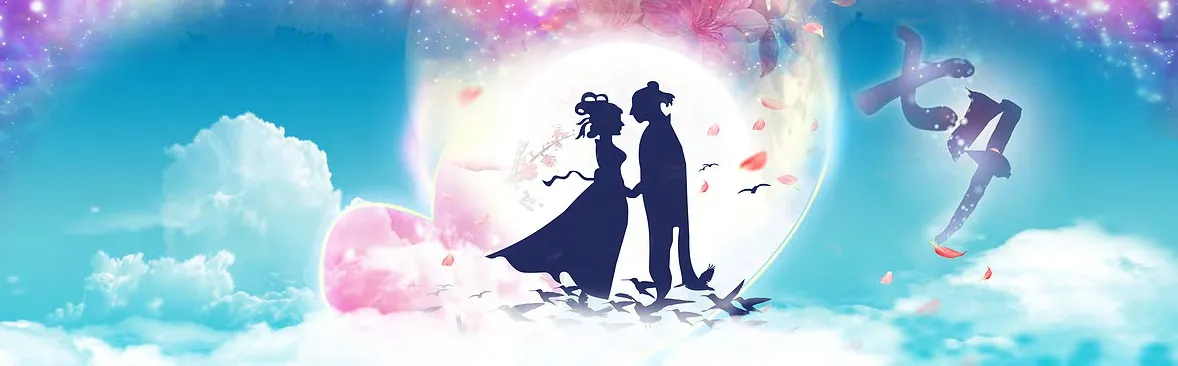
Qixi Festival, Chinese Valentine’s Day, is a special day of romance and sweetness for those who are in love. It is also the only day of reunion for the Cowherd and the Girl Weaver, a man-fairy couple from a Chinese legend,who met with each other on the Magpie Bridge in the moonlight.
The seventh day of the seventh lunar month of the lunar calendar is called Qixi. Because the main activity on this day is qiqiao(a ritual ceremony to pray for smartness and skillfulness), and the participants in the rite are mostly women, it is also called Qiaoqiao Festival or Girl’s Day.As one of the traditional festivals,Qixi has been passed down for thousands of years, which demonstrates Chinese people’s longing for love and passion in life.
Qixi Festival dates back to the Han Dynasty. In ancient China,when it was Qixi Festival, women would call on their bosom friends,show their thread work to each other, and pray for their families to be happy and for good luck.
The origin of this festival comes from the worship of nature and the stars. Later this is incorporated into the legend of the Cowherd and the Girl Weaver,and thus Qixi became a festival for love.
七夕——中国情人节
文/曾鹏凌
七夕,一个氤氲着浪漫与甜蜜的节日。岁月匆匆,“一处相思,两处闲愁”,化为一载相思浓。千年等待的牛郎,殷殷期盼的织女,在这柔情似水的七月七日夜,相会鹊桥,互诉衷肠。七夕相聚的甜蜜,如那坛酝酿千年的桂花酒,醉了夜色,也醉了月光下的芸芸众生。
每年农历的七月初七,称为七夕,又称乞巧节、女儿节。七夕是中国传统节日之一,已传承千年,它积淀了中国人的感情向往与对生活的诠释。
七夕始于汉朝,因为该节日主要活动为“乞巧”,活动参与者多为女性,故又称“乞巧节”、“女儿节”。在古代中国,每至七夕,妇女会访闺中密友,切磋女红技艺,乞巧祈福。
七夕源于中国人对自然和星辰的崇拜,后来又融入了牛郎织女传说,成为象征爱情的节日。
传说,孤儿牛郎与一头老牛相依为命,自耕自食。有一天,织女和诸仙女下凡嬉戏,在河中沐浴。牛郎与织女邂逅,两人互生爱意,不久结为夫妻。婚后,他们男耕女织,育一儿一女,生活美满幸福。不料王母娘娘查知此事,命令押解织女回天庭受审。牛郎家中那头老牛很通灵性,它触断头上的犄角,变成一只小船,让牛郎挑着儿女,乘船上天追赶。
眼看要追上织女,王母娘娘拔下头上的金钗,在天空划出一条波涛滚滚的银河。牛郎无法渡过银河,只能在河边与织女遥望对泣。他们坚贞的爱情感动了喜鹊,无数喜鹊飞来,搭成一道跨越天河的鹊桥,让牛郎织女在桥上相会。王母娘娘无奈,只得允许牛郎织女每年七月七日,可于鹊桥会面一次。……