ANFIS与模糊聚类—ESN的光伏发电功率预测模型比较
2018-02-01王大虎贾倩林红阳
王大虎+贾倩+林红阳
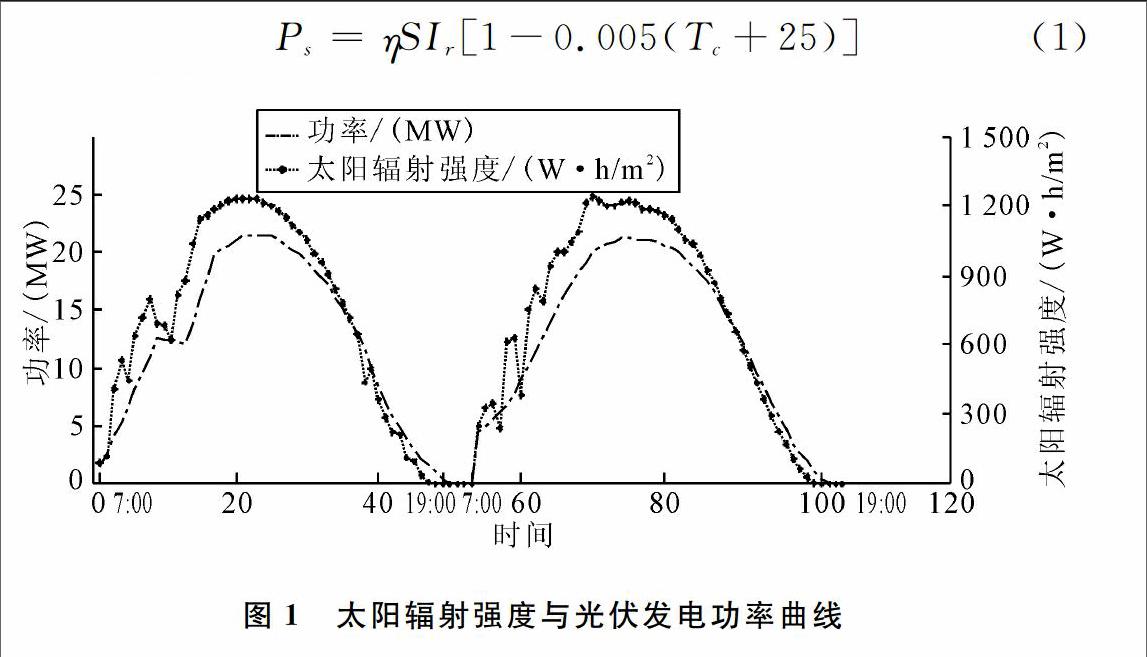
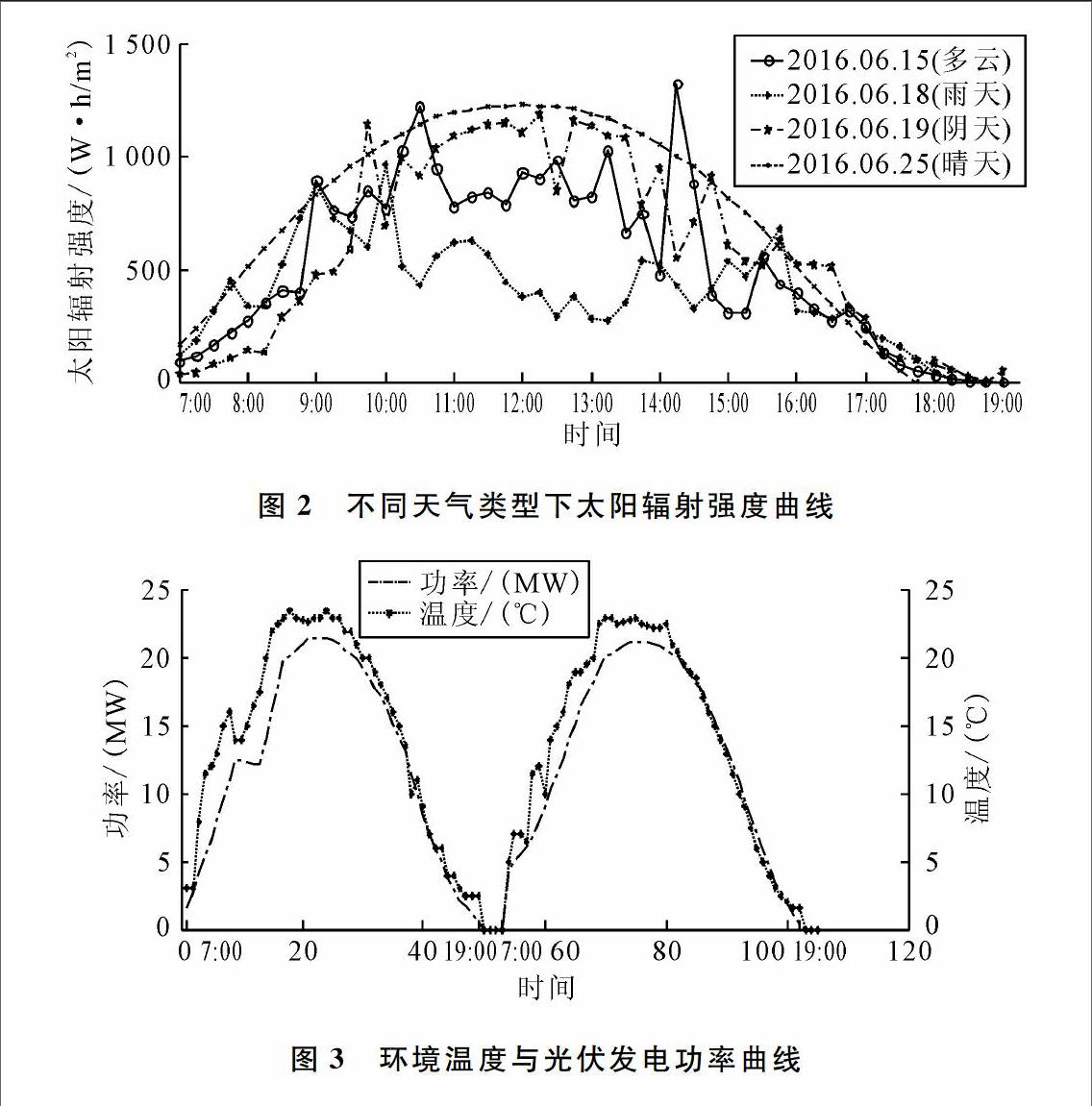
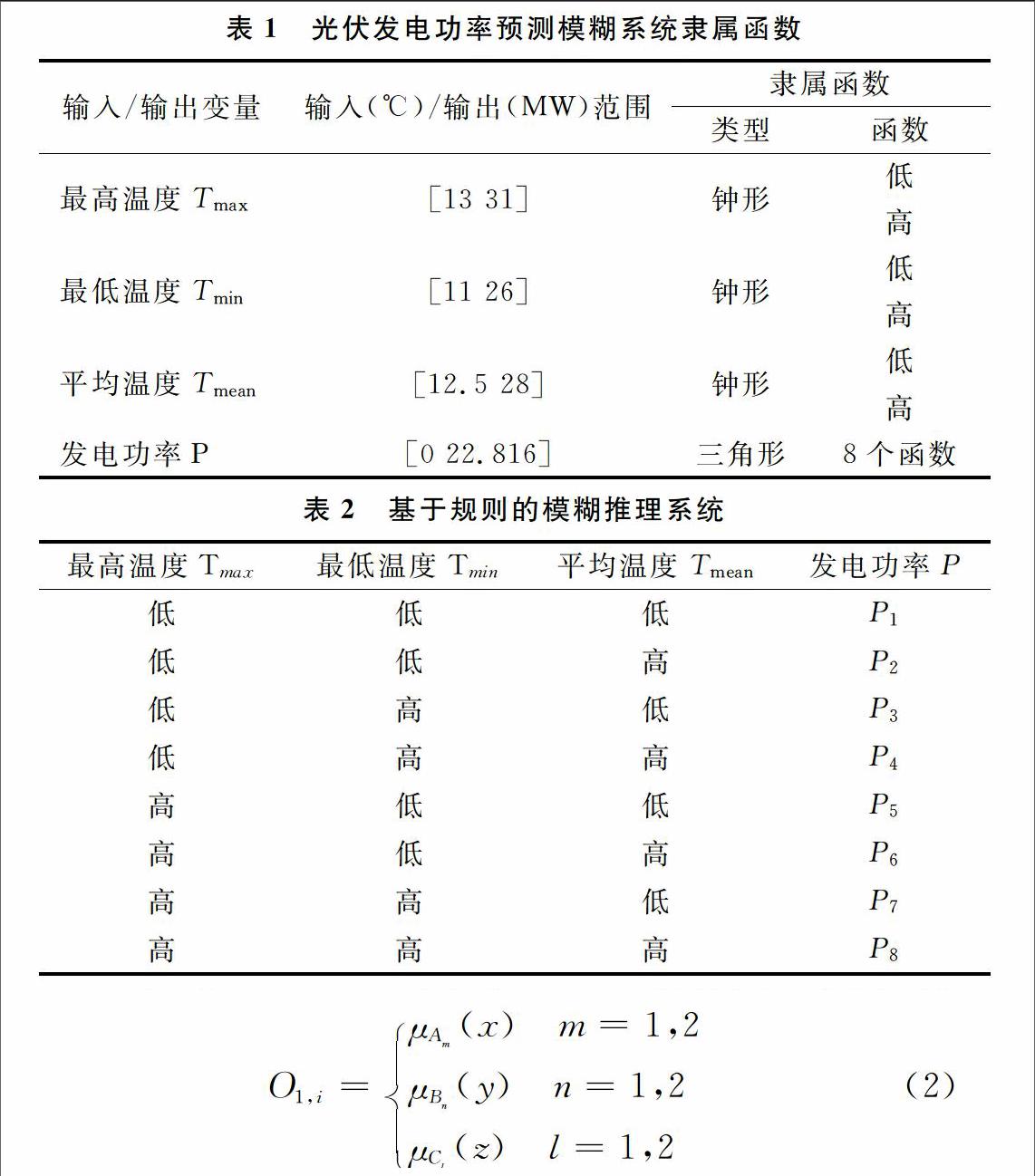
摘要:光伏电站的发电功率高度依赖于不同的天气条件,其变化无规律可循,从而给电网管理带来挑战。因此,对光伏发电功率进行预测研究,以确保电网安全、稳定运行。首先,按季节和天气类型划分历史发电数据,经数据分析后,将温度与历史发电功率作为输入,构建了ANFIS与模糊聚类-ESN两个光伏发电功率预测模型。利用Matlab模糊逻辑工具箱构建ANFIS模型,而对于模糊聚类-ESN模型的构建,先采用模糊聚类处理输入数据,再利用ESN进行训练与预测。通过对两个预测结果的比较,模糊聚类-ESN模型的预测精度高于ANFIS模型。
关键词:自适应神经模糊推理系统;模糊聚类;回声状态网络;光伏发电功率预测
DOIDOI:10.11907/rjdk.172090
中图分类号:TP319
文献标识码:A文章编号文章编号:1672-7800(2018)001-0157-05
Abstract:Power generation output of a PV plant is highly dependent on different weather conditions, but its changes are irregular, which pose a challenge to grid management. For this, scholars to predict the photovoltaic power generation to ensure that the grid safe and stable operation. In this paper, the historical power generation data is divided directly by season and weather type. After the data analysis, take the temperature and historical power generation as input. Two photovoltaic power generation models, the adaptive neural fuzzy reasoning system (ANFIS) and the fuzzy clustering-ESN, are constructed. ANFIS model is constructed by Matlab fuzzy logic toolbox. The construction of fuzzy clustering-ESN model is used to process the input data with fuzzy clustering, and then ESN is used to train and predict. Comparing the two prediction results, the fuzzy clustering-ESN model has higher prediction accuracy than ANFIS model.
Key Words:adaptive neuro-fuzzy inference system(ANFIS); fuzzy clustering; echo state network(ESN); photo-voltaic power generation prediction
0引言
环境污染与资源短缺带来的压力,迫使全球范围内进入可持续发展时代,环境友好型的可再生能源利用受到各国政府的高度重视。光伏发电作为继水力发电、风力发电等可再生能源的一种形式,其发展对经济、社会和环境都具有积极影响。目前,国内外已经建立了大量大规模的光伏发电系统,但因光伏发电系统的输出易受太阳辐射强度和天气等不确定因素影响,使其具有随机性和间接性,导致光伏发电系统无法稳定运行[1-3]。近年来,随着兆瓦级光伏发电系统并网运行的增加,电网的安全、稳定运行更加受到重视。因此,对光伏发电系统输出功率的随机性进行准确预测,进而对电网调度进行合理安排显得尤为重要。……