政策试点与行政成本增加
2017-05-31丁肇启
丁肇启
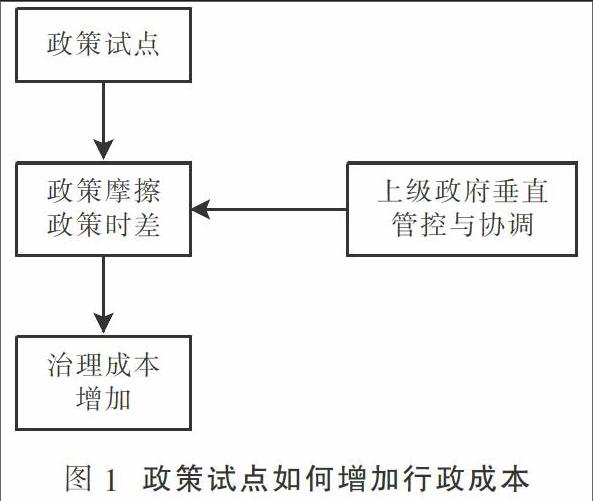
摘 要: 政策试点是中国改革实践中常用的手段之一,为解决政策试点固有的政策摩擦和政策时差问题,上级政府会通过建立领导小组、联席会议、联系点制度和行政督导来减轻改革的阻力,保证改革试点的推进。但上述措施的实施又大大增加了政府的行政成本,这种成本的增加往往为人所忽视。这一问题是转型时期中国改革尤其是行政体制改革中必然会出现的,长期来看要通过政府职权的重构和政府治理能力的提升来解决。
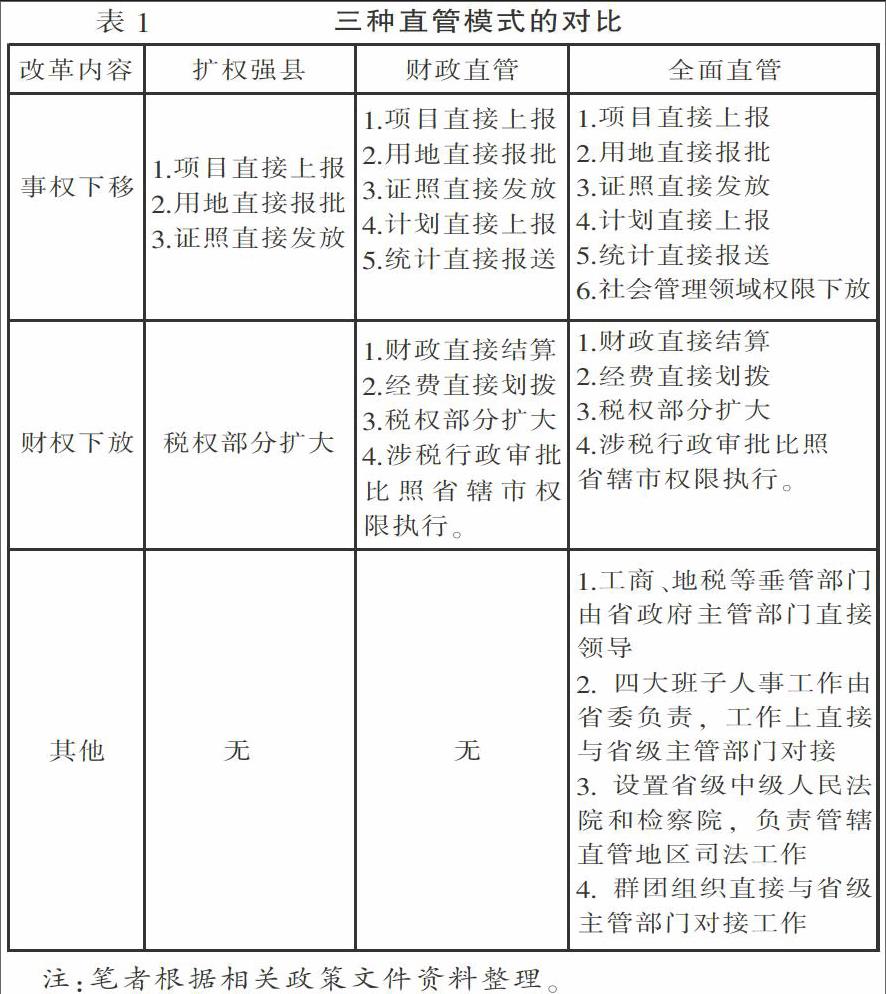
关键词: 政策试点; 行政成本; “全面直管”改革
中图分类号: D63 文献标识码: A DOI:10.13411/j.cnki.sxsx.2017.02.018
Abstract: Policy pilot is one of the commonly used methods in Chinas reform practice. In order to solve the problem of policy friction and policy time difference, provincial government has to reduce the resistance of reform by establishing the leading group, the joint meeting, the contact point system and the administrative supervision to propel the reform pilot. But the implementation of these measures has greatly increased the administrative costs of government, which was ignored by people. This issue is inevitable in the reform period of China, especially in the reform of the administrative system. In the long run, it is necessary to resolve these problems through the reconstruction of government authority and the upgrading of government governance.
Key words: policy pilot; administrative costs; system reform of provincial directly governing counties
一、引言
改革开放以来,中国经历了三十多年的高速经济增长,从一个濒临崩溃的经济体一跃成为世界上最大的发展中国家,中国取得的发展成就被世人视为“中国奇迹”。“中国奇迹”发生的原因引起了各界的关注,大量文献对其发生的制度原因进行了探讨,钱颖一(1993)用“M”型结构与“U”型结构解释了中国经济的腾飞与俄罗斯经济的长期低迷,他认为“M”型结构给予了地方政府足够的自由度和激励,管制的放开造成了地方之间的经济竞争,也赋予了地方足够的自由度发展经济,同时,钱颖一还指出“M”型经济结构中各个地方有相对完整的产业结构,这为政策试点的实施提供了条件,对于前景不甚明朗的改革方案,可以先行在局部试点,通过试点不断完善改革方案,再推向全国[1]。政策试点保证了改革举措的稳健性,与我国“摸着石头过河”的渐进式改革思路也是吻合的,因此我国在改革开放的过程中并没有出现俄罗斯那样的经济萧条景象,改革一直在一个相对稳定的政治经济环境中开展。……