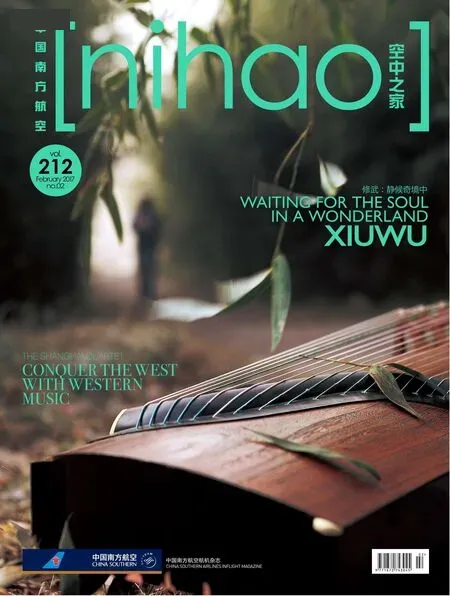
Hidden Gem In Central Plains
2017-04-27TextTranslationsbyWengRongPhotosbyZengjian
Text &Translations by Weng Rong Photos by Zengjian
Hidden Gem In Central Plains
Text &Translations by Weng Rong Photos by Zengjian
中原藏宝

Xiuwu - the cultural centre of the district of the Yellow River - continues to bring to the world various forms of art pieces.
The art of Xiuwu is neither too close to the capital, nor is it too far away to be considered isolated. By keeping a comfortable distance from the madding crowd, it waits patiently for those looking for peace of mind.
修武之艺,得益于黄河文化中心区地缘之利,更得益于山水自然的恩赐。
不似庙堂之高,亦不似江湖之远,像一枚藏于河洛之间、太行脚下的璞玉,恬然生长,静待世人的偶遇。

Yang Tianliang
Ex-Curator of Xiuwu Cultural Relics Museum
杨天亮
修武县文物博物馆原馆长
A Thousand Years of Free Spirit
NIHAO: Why did the “seven sages of bamboo grove” choose Xiuwu as their place of seclusion?
Yang:Xiuwu is close to both Luoyang and Xuchang, the capital and second capital of the country at the time, which made it convenient for the sages to stay up-to-date with current affairs. In addition, Jia Kang and Wang Rong (two main member of seven sages of bamboo grove ) came from notable families that possessed land in the area. Unlike poet Tao Yuanming, who quit his official position and lived a peaceful life in the countryside, the “seven sages” retreated to avoid the dangerous political situation in the capital city. Instead of fighting against the current, they chose to stay somewhere safe, where they could maintain their peace of mind, whilst expressing their anguish via poems and songs. The quiet and beautiful environment in Xiuwu surely was another reason for them to come. Also, they could find all kinds ofherbs that they needed to invent the pills that they believed would help them achieve immortality.
NIHAO: What impact did the sages have on Xiuwu?
Yang:They have left a great amount of cultural relics such as the stone terrace that Liu Ling used to sober up on, the pond where Ji Kang used to make swords, etc… Apart from historic relics, the sages have also greatly influenced the later generations with their free spirit and their attitude towards corruption and evil. Take myself as an example - I have learnt to chase after things that I have true passion for, since the sages have taught us to follow one's natural character.

Around 1,700 years ago, seven young and talented poets, musicians and scholars came to live in seclusion in Yuntai Mountain. Their days consisted of drinking, sightseeing, writing, and having debates on metaphysics. They were later named the “seven sages of bamboo grove”.
1700多年前,竹林七贤隐居百家岩,寄情山水,饮酒谈玄。
千年魏晋风
NIHAO:为什么竹林七贤会选择到修武隐居?
杨:首先,这里靠近陪都许昌和京都洛阳,且嵇康的妻子长乐亭公主、王戎在此皆有封地。山涛和向秀的家也在距此几十里的怀县。与陶渊明不一样的是,竹林七贤并非想完全出世。他们表面上远离官场,实际上仍然忧心政治,无奈当时政治环境凶险,唯有选择在离政治中心不远的地方隐居,用诗曲宣泄苦闷与忧生之嗟。其次,修武环境清幽,竹林广袤,云台山上有很多药草,是很多修道炼丹之人聚集地,所以,非常适合修道谈玄。
NIHAO:竹林七贤给修武留下什么印记?
杨:从历史遗迹上说,竹林七贤在百家岩留下了嵇山、刘伶醒酒台、嵇康淬剑池等大量遗迹,为修武县留下珍贵的文化遗产。从思想上看,竹林七贤清峻达观、不与腐败政治同流合污的潇洒风骨和自由的人格精神,持续引发后人的深思与向往。比如,我本人在多年研究竹林七贤思想的过程中,也逐渐变成了一个更豁达的人,做自己热爱的事情。竹林七贤所推崇的“自然本性”,也潜移默化地留存下来,修武人普遍很重视修身养性。


Chai Zhanzhu
Inheritor of the national intangible cultural heritage - porcelain with twistable clay body
柴战柱
绞胎瓷制作技艺国家级传承人……