晋南、渭北明清民间石刻比较
2004-12-13石村苗吉瑞
石 村 苗吉瑞
Comparison of Folk Stone Carving in Ming and Qing Dynasties in South of Shanxi and North of Weihe River
Shanxi and Shanxi folk stone carving existing in the hinterland of Loess Plateau of midstream and downstream of Yellow River maintained the original art character at all times and was lengthways inherited and postponed along its specific region style. In Ming and Qing Dynasties, though it was more or less impacted by mainstream culture, it still maintained native-born aboriginal character and formed unique art style. The folk stone carvings of Ming and Qing Dynasties existent in the two provinces were far inferior to the stone carving of Han and Tang Dynasties, but they had unique native soil, original regional style and frugal art feature.
What's the similarity of folk stone carvings of Ming and Qing Dynasties in south of Shanxi and north of Weihe River expressed in theme and content is right the deep reflection and natural revelation of the special social background and era spirit. Shanxi and Shaanxi people deeply experienced and badly feared war, death and homeless lives, then plus long-term communication and amalgamation with northwest nomads totemistically worshiped lion and tiger due to influence by nomads, which is protruding compared with other aspects.
Despite frequent crosswise communication of cultures in south of Shanxi and north of Weihe River, they were mutually impacted, absorbed, used for reference and integrated, the masterstroke of development and evolution was still mainly fore-and-aft inheritance of regional cultures.
存在于黄河中下游地区黄土高原腹地的晋、陕民间石刻,一直保持着各自的原始艺术特征,并沿着其特定地域风格的纵向传承关系顺延下来。到明清之际,虽然或多或少地受到主流文化的影响,却仍然较大程度地保留着其土生土长的原始特征,形成了独具特色的艺术风格。两地现存的大量明清民间石刻虽然在规模、品位和气势上远不及汉唐石刻,但其所独具的乡土气息和原始地域性风格以及拙朴自然的艺术特色,尤其是其自身所表现出的强烈的时代内容,却也是汉唐石刻所不可比拟的。
传统内容题材的相似与差异
晋南、渭北明清民间石刻表现在题材内容上的相似之处,也正是对这种特殊的社会背景和时代精神的深刻体现和自然流露。晋陕人民对战争和死亡以及背井离乡、流离失所的生活状态有着深刻体会和极度恐惧,再加上与西北游牧民族的长期交往、融合,受其影响而产生的对狮、虎等猛兽的图腾崇拜,这一点与其它地方相比显得更加强烈。晋、陕两地的民间艺术也相应地产生了独具特色的题材内容和外部表现特征。
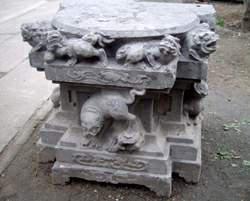
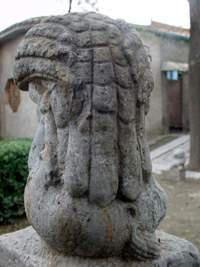
例如,陕西的炕头拴娃狮、山西的炕头压脚石等,都是以狮子为创作原形,通过夸张、变型、拟人化等艺术手法,并融入了创造者的理想和对美学的独特理解而创造出来的。狮子的形象自汉代进入中国以来,一直在中国传统美术领域中展示着它威猛、强悍的独特魅力,历来为世人所青睐,并大量运用于宫殿寺庙、庭院护栏、门墩望柱以及人们的衣食住行等处,起到宗教护法、守门壮威、镇墓辟邪、装饰、象征等作用。……
